



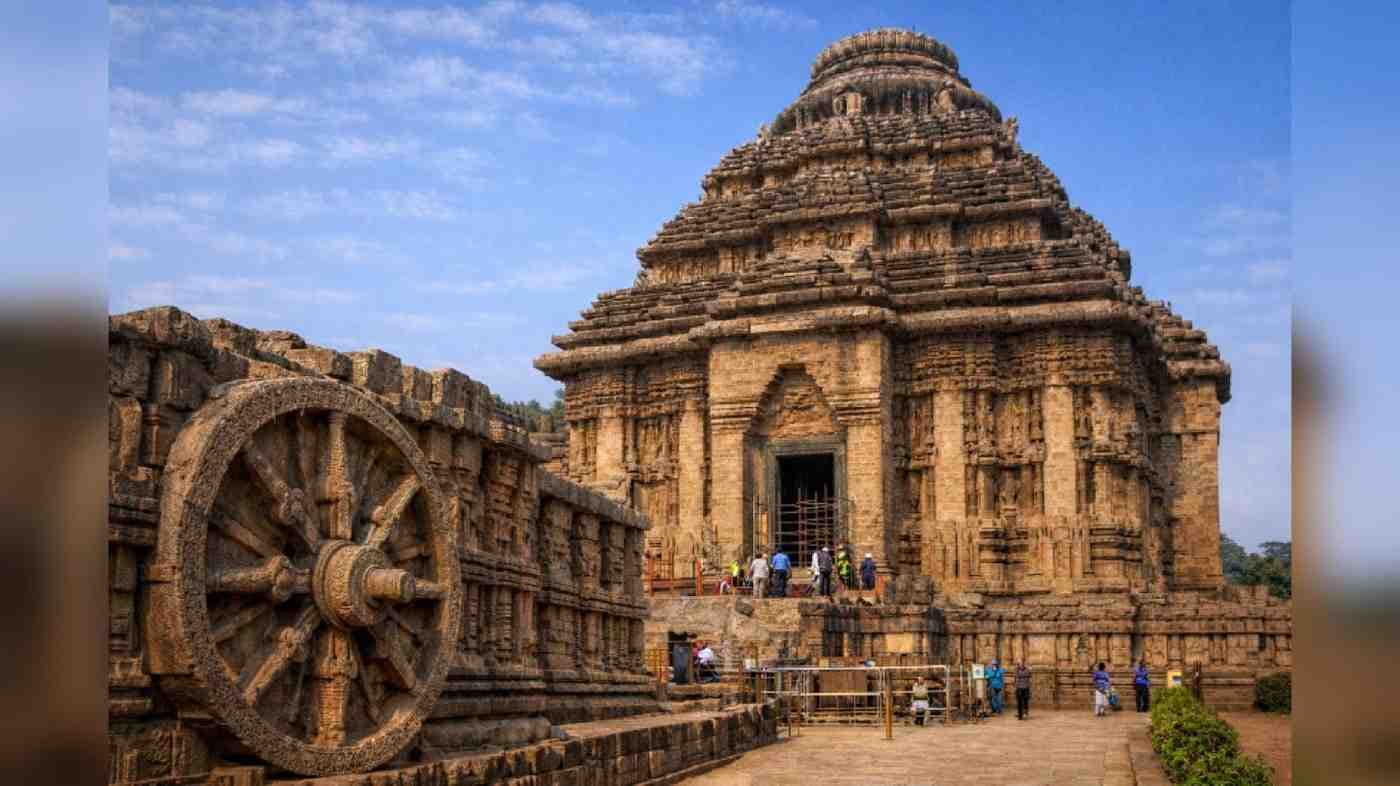
World Heritage Site / Sand Extraction Process to Begin Soon at Historic Konark Sun Temple
·5 months ago·2 min read
Key Points
The sand inside the temple will be extracted using an automatic robotic trolley system, ensuring precision and minimising risks to the monument.
Puri, Apr 22: The Archaeological Survey of India (ASI) has confirmed that the process of sand removal from the sanctum sanctorum of the iconic Konark Sun Temple in Puri district, will begin soon, the preparations of which have been finalised.
The decision was taken after the laboratory reports which stated that the operation will not cause any structural damage.
According to officials, the sand inside the temple will be extracted using an automatic robotic trolley system, ensuring precision and minimising risks to the monument. The ASI has completed mechanical arrangements and is now preparing final design and structural drawings for the operation.
Earlier, a pilot drilling operation was conducted on the western side of the temple at a height of 80 feet. A 16-centimeter hole was drilled to study the condition and composition of the sand inside. Last year, on December 8, samples were collected and sent to the Indian Institute of Technology (IIT) Madras for detailed analysis.
The decision was taken after the laboratory reports which stated that the operation will not cause any structural damage.
According to officials, the sand inside the temple will be extracted using an automatic robotic trolley system, ensuring precision and minimising risks to the monument. The ASI has completed mechanical arrangements and is now preparing final design and structural drawings for the operation.
Earlier, a pilot drilling operation was conducted on the western side of the temple at a height of 80 feet. A 16-centimeter hole was drilled to study the condition and composition of the sand inside. Last year, on December 8, samples were collected and sent to the Indian Institute of Technology (IIT) Madras for detailed analysis.

📱 Get Argus News App
✨📰 60 Word News🎬 Argus Podcast📺 Live TV and Breaking News🔔 Free Notification Alerts
Download Free:
Also read: Kedarnath Dham Portals to Open for Pilgrims Today
The lab findings confirmed that removing the sand would not harm the temple’s structure and that the sand inside remains stable. Based on these results, the ASI decided to proceed with the extraction. The first phase of work commenced on the auspicious occasion of Akshaya Tritiya, marking a significant step in the temple’s conservation efforts.
As per the section drawings, a 9-foot-wide opening will be created on the western wall at a height of 80 feet by carefully cutting through stone. A tunnel will then be constructed to allow access to the interior for sand removal.
This initiative is considered crucial for the long-term preservation and structural assessment of the iconic Konark Sun Temple, ensuring its stability for future generations.
The lab findings confirmed that removing the sand would not harm the temple’s structure and that the sand inside remains stable. Based on these results, the ASI decided to proceed with the extraction. The first phase of work commenced on the auspicious occasion of Akshaya Tritiya, marking a significant step in the temple’s conservation efforts.
As per the section drawings, a 9-foot-wide opening will be created on the western wall at a height of 80 feet by carefully cutting through stone. A tunnel will then be constructed to allow access to the interior for sand removal.
This initiative is considered crucial for the long-term preservation and structural assessment of the iconic Konark Sun Temple, ensuring its stability for future generations.
Related Topics
Explore more stories