



Research / From Childhood to Old Age: How the Human Brain Evolves
Key Points
- Brain undergoes five eras of structural change with turning points at ages 9, 32, 66, and 83.
- Age 32 marks the strongest lifetime turning point, stabilizing brain architecture.
- Findings could aid interventions for mental health and age-related decline.
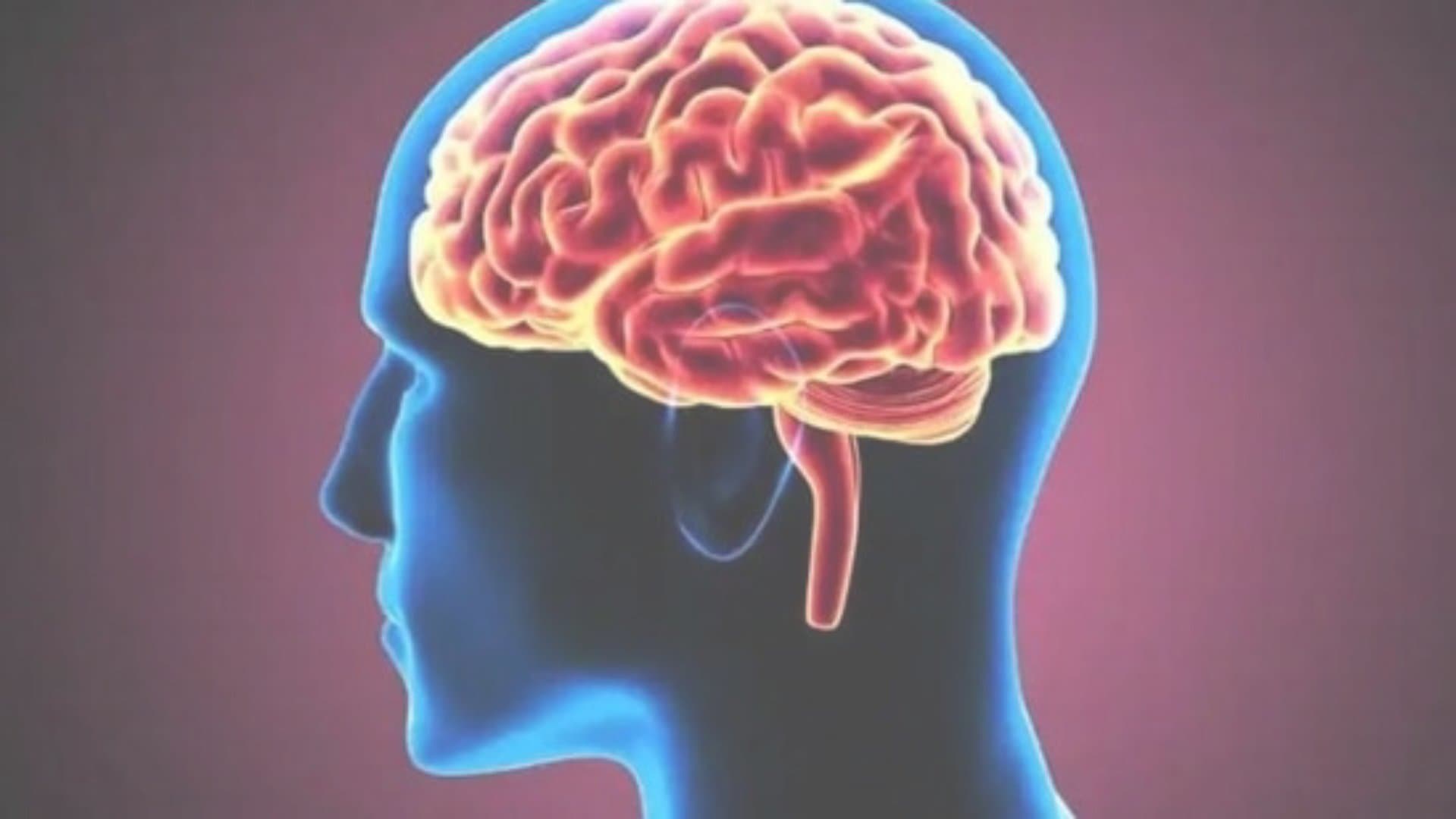
Bhubaneswar, Nov 26: A groundbreaking study led by researchers from the University of Cambridge has revealed that the human brain undergoes five major eras of structural change across a lifetime, marked by critical turning points at ages nine, 32, 66, and 83.
These transitions reflect how the brain rewires itself to support evolving ways of thinking, learning, and coping as individuals grow, mature, and eventually decline.

📱 Get Argus News App
✨The first major shift occurs at age nine, when communication
between brain networks developed since birth transitions into the adolescent
phase. This stage, lasting until the early thirties, is characterized by rapid
changes in connectivity and cognitive flexibility, laying the foundation for
adulthood.
Also read: Suicide Note and Lipstick Message: Pendulum Swings between Murder and Suicide as Bilaspur Couple Found Dead
At age of 32, the brain enters what researchers describe as “adult mode,” the longest era of stability that spans more than three decades. This period is marked by the consolidation of neural wiring and the stabilizing of brain architecture. Scientists noted that age 32 represents the “strongest topological turning point” in the human lifespan, reflecting the peak of structural maturity.
The next significant transition occurs at age 66, when the brain begins to show signs of decline in connectivity and efficiency. This stage reflects the gradual onset of aging-related changes, including reduced resilience in neural networks. By age 83, the brain enters its final era, marked by pronounced decline in structural integrity and cognitive capacity.
Researchers emphasize that these findings provide valuable insights into how the brain adapts across different stages of life. Understanding these turning points could help in designing interventions for mental health, cognitive training, and age-related neurological conditions.
The study underscores that brain development is not confined
to childhood or adolescence but continues to evolve throughout life, with each
era shaping how individuals think, learn, and respond to challenges.
Related Topics
Explore more stories