



Terror Attack / Flydubai Mid-Air Horror: UAE Confirms Terror Attack
Key Points
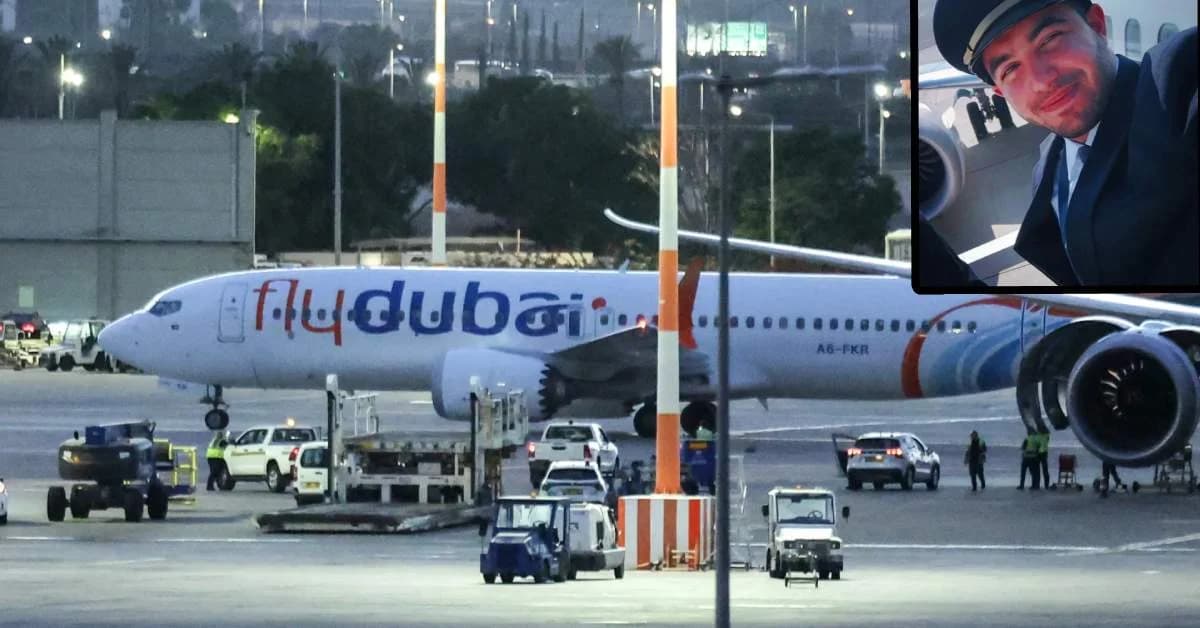
A Flydubai co‑pilot attacked Captain Smit
Machchhar with a crash axe mid‑air, confirmed as a terrorist act.
Machchhar’s heroic resistance saved 174 lives before an emergency landing in
Tabuk.
Abu Dhabi, Oct 3: High above the skies between Dubai and Tel Aviv, a routine flydubai journey turned into a nightmare when trust inside the cockpit shattered.
On September 30, co‑pilot Hamam Al Hamami launched a violent assault on Indian captain Smit Machchhar, wielding a crash axe in an attempt to seize control of the Boeing 737.
What prosecutors in the United Arab Emirates have now confirmed as a terrorist attack stunned passengers, crew, and the aviation world alike — a chilling reminder of how quickly order can collapse when extremism infiltrates the flight deck.
Also read: Youth Jumps to Death from 43rd Floor of Noida's Supernova Tower

📱 Get Argus News App
✨According to UAE Attorney‑General Hamad Saif Al Shamsi, “the co‑pilot began executing his plan during the flight, attacking the captain inside the flight deck using a crash axe and attempting to take control of the aircraft.”
The confirmation provides chilling details of what could have been a catastrophic mid‑air disaster.
Despite being stabbed and seriously injured, Captain Machchhar fought back, resisted the attacker, and managed to open the cockpit door, enabling passengers and crew to overpower Al Hamami.
Two other pilots on board assisted in stabilizing the situation, and the aircraft made an emergency landing in Tabuk, Saudi Arabia. Machchhar’s actions have since been hailed as heroic, with leaders in India and Israel praising his courage.
Crash axes, the weapon used in the attack, are standard emergency equipment required on all commercial aircraft. Once stored in passenger cabins, they were relocated to cockpits after the September 11, 2001 terrorist attacks in the United States, amid heightened aviation security concerns.
Investigations into Al Hamami’s background reveal troubling details. Media reports suggest he had previously been barred from flying in his home country of Oman over concerns about extremist views. He reportedly spent significant time in Syria, where he was allegedly influenced by radical ideologies before moving to the UAE.
Al Hamami’s career trajectory shows he worked with Oman Air for seven years until February 2025, later joining Royal Air Maroc in June 2025 before leaving in January 2026. He had been employed with Flydubai for only eight months.
A now‑deleted LinkedIn profile linked to him reportedly contained posts with terror‑related content, including cockpit footage of a Boeing 737 Max zooming in on an Israeli airline, ending with images of Ayman al‑Zawahiri, the late al‑Qaeda leader, and suicide bomber Humam Khalil Abu‑Mulal al‑Balawi.
Another post featured an AI‑generated image of Islam’s three holiest sites, accompanied by a poem referencing dignity, death, and resistance.
CNN further reported that Al Hamami’s deleted social media accounts portrayed him as “deeply religious and misogynistic.” Former colleagues have also described him as a religious extremist, though authorities stress that investigations into his motives are ongoing.
The UAE has formed a special investigation team comprising members of the Public Prosecution to probe the incident, including possible links to terrorist activity.
The Ministry of Foreign Affairs confirmed that weekly updates will be provided, and expressed appreciation to Saudi Arabian authorities for their swift cooperation in handling the emergency.
At the time of the attack, the aircraft was cruising at 34,000 feet before dropping at a terrifying rate of 23,000 feet per minute, reaching 15,600 feet. The quick intervention of Captain Machchhar and the crew prevented what could have been a devastating aviation disaster.
As the investigation continues, the incident underscores the persistent threat of extremist infiltration in aviation and highlights the extraordinary bravery of Captain Machchhar, whose actions saved the lives of 174 passengers and crew on board.
(IANS)
Related Topics
Explore more stories