



Tradition / People In This Area Dig Up Their Dead Relatives’ Bones And Do The Unthinkable
·1 month ago·3 min read
Key Points
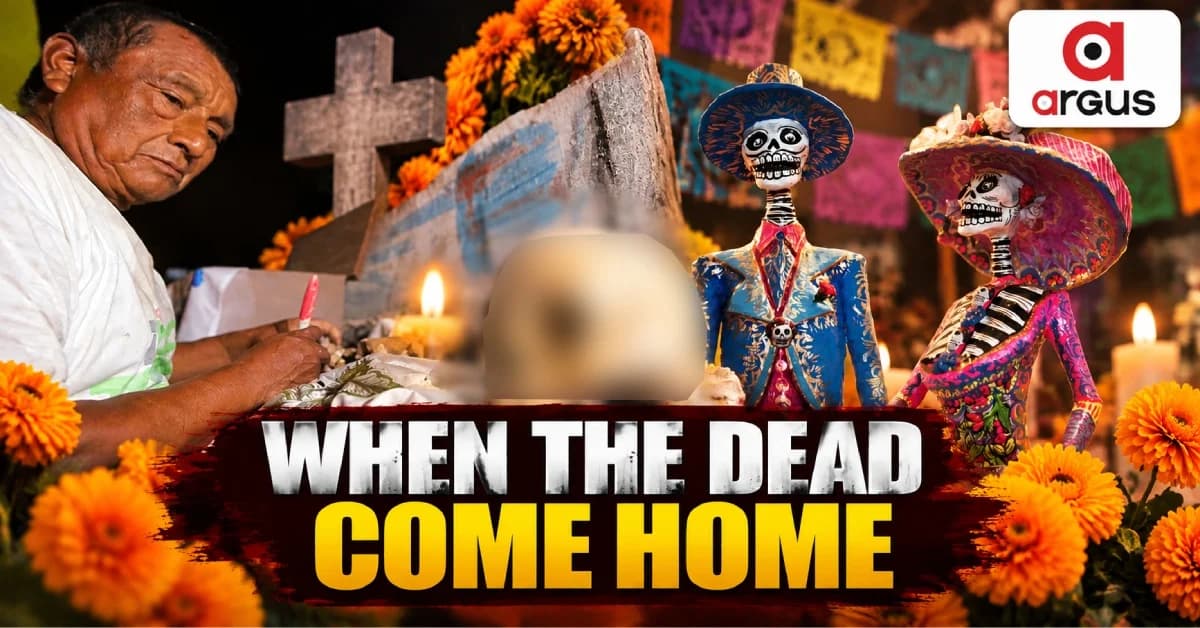
Día de Muertos, observed around late October and early November, is a Mexican tradition combining Indigenous practices with Catholic observances, inscribed by UNESCO in 2008.
Mexico City, Sep 17: What if I tell you that visiting a cemetery can mean much more than simply leaving flowers on a grave? In parts of Mexico, families don’t just remember their dead; they return to their graves, clean them and prepare them for a ritual reunion with their departed loved ones!
And in one community, the tradition gets even more startling. Families carefully clean the bones of their deceased relatives.
When The Dead Are Welcomed Home
Known as Día de Muertos (Day of the Dead), the Mexican observance takes place around the end of October and beginning of November. It is a deeply rooted tradition combining Indigenous practices with elements of Catholic observances introduced after the Spanish conquest.
In 2008, UNESCO inscribed the Indigenous festivities dedicated to the dead on its Representative List of the Intangible Cultural Heritage of Humanity. The celebration centres on the belief, within participating traditions, that deceased relatives temporarily return to Earth.
And in one community, the tradition gets even more startling. Families carefully clean the bones of their deceased relatives.
When The Dead Are Welcomed Home
Known as Día de Muertos (Day of the Dead), the Mexican observance takes place around the end of October and beginning of November. It is a deeply rooted tradition combining Indigenous practices with elements of Catholic observances introduced after the Spanish conquest.
In 2008, UNESCO inscribed the Indigenous festivities dedicated to the dead on its Representative List of the Intangible Cultural Heritage of Humanity. The celebration centres on the belief, within participating traditions, that deceased relatives temporarily return to Earth.

📱 Get Argus News App
✨📰 60 Word News🎬 Argus Podcast📺 Live TV and Breaking News🔔 Free Notification Alerts
Download Free:
Also Read: Indian Women of This Area Marry Multiple Men, Reason Will Shock You
Families visit cemeteries, decorate graves and create altars with flowers, candles, food and other offerings. Cempasúchil, the Mexican marigold, is especially important.
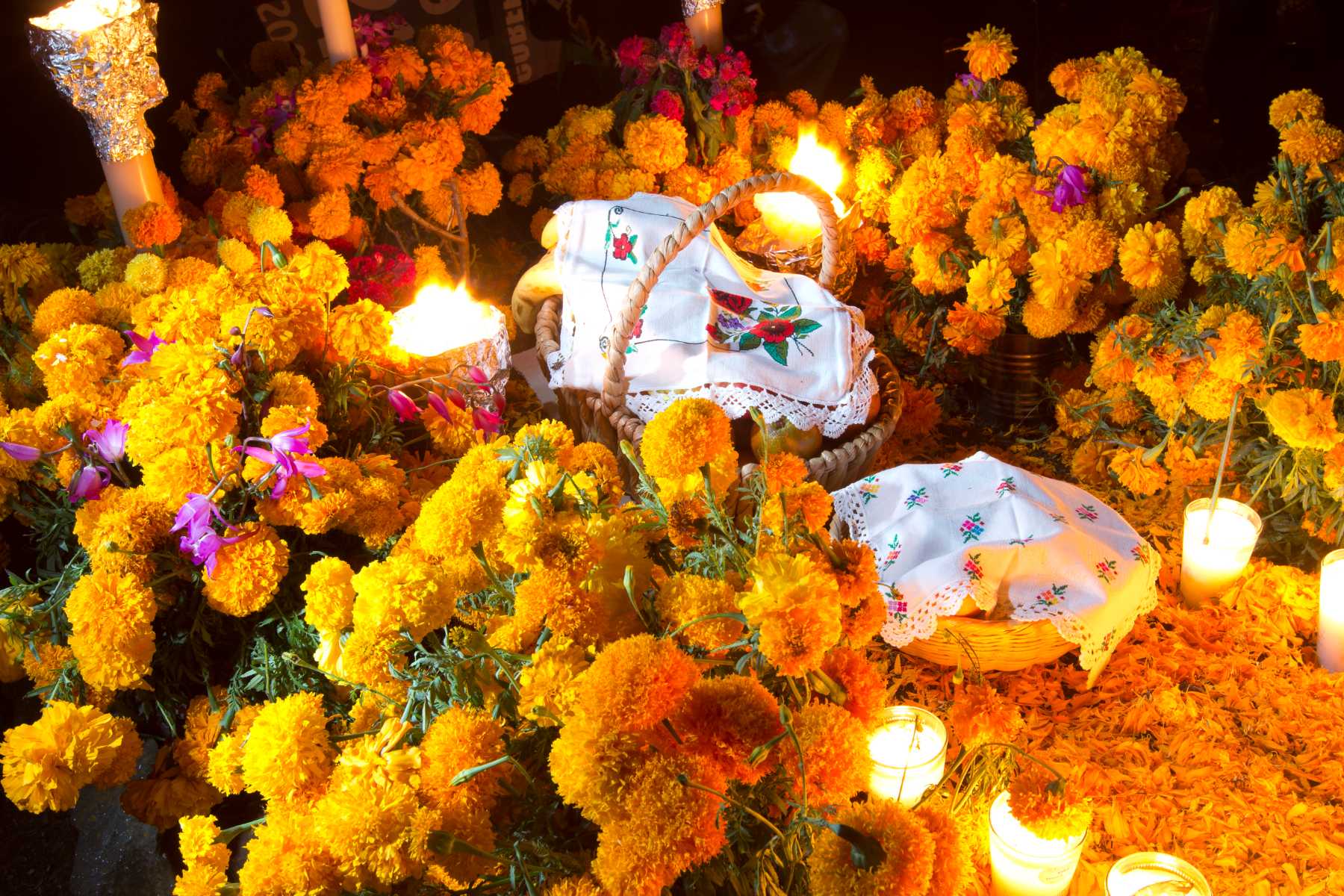
Its petals are traditionally used to decorate graves and create paths believed to guide the returning souls. Candles are similarly associated with lighting the way for the dead.
In Some Places, Even The Bones Are Cleaned
The customs are not identical throughout Mexico. Government sources document particularly striking practices in the Yucatán Peninsula and parts of Chiapas, where families have traditionally opened crypts to clean the remains of their deceased relatives.
Also Read: Women of This Area Hate To Marry Men, Here's Why
One of the best-known examples comes from Pomuch in Campeche, where the Maya-linked tradition called “limpia de los huesitos” -- literally, the “cleaning of the little bones” -- involves removing skeletal remains from their ossuaries, carefully cleaning them and wrapping them in embroidered white cloths. Mexico’s National Institute of Anthropology and History describes the practice as part of the community's living Hanal Pixán tradition.
Families visit cemeteries, decorate graves and create altars with flowers, candles, food and other offerings. Cempasúchil, the Mexican marigold, is especially important.
Its petals are traditionally used to decorate graves and create paths believed to guide the returning souls. Candles are similarly associated with lighting the way for the dead.
In Some Places, Even The Bones Are Cleaned
The customs are not identical throughout Mexico. Government sources document particularly striking practices in the Yucatán Peninsula and parts of Chiapas, where families have traditionally opened crypts to clean the remains of their deceased relatives.
Also Read: Women of This Area Hate To Marry Men, Here's Why
One of the best-known examples comes from Pomuch in Campeche, where the Maya-linked tradition called “limpia de los huesitos” -- literally, the “cleaning of the little bones” -- involves removing skeletal remains from their ossuaries, carefully cleaning them and wrapping them in embroidered white cloths. Mexico’s National Institute of Anthropology and History describes the practice as part of the community's living Hanal Pixán tradition.
So, while not every Mexican family cleans graves or bones, tending burial sites, decorating them with flowers and lighting candles are documented elements of Día de Muertos. In communities such as Pomuch, remembrance takes a remarkably literal form: caring for the physical remains of ancestors as part of welcoming them back.
Related Topics
Explore more stories