



Relationships / Indian Women of This Area Marry Multiple Men, Reason Will Shock You
·11 months ago·2 min read
Key Points
- The practice, known as Jodidara, is rooted in tribal customs to prevent land division and maintain family unity.
- Although legal protections exist under tribal customs, women’s rights groups have raised concerns about gender equality and exploitation.
Shimla, Nov 21: In India, marriage is usually treated as a holy vow, with one man and one woman being the norm. Yet, few people realise that there exists a village in the country where the script flips entirely -- women can have more than one husband.
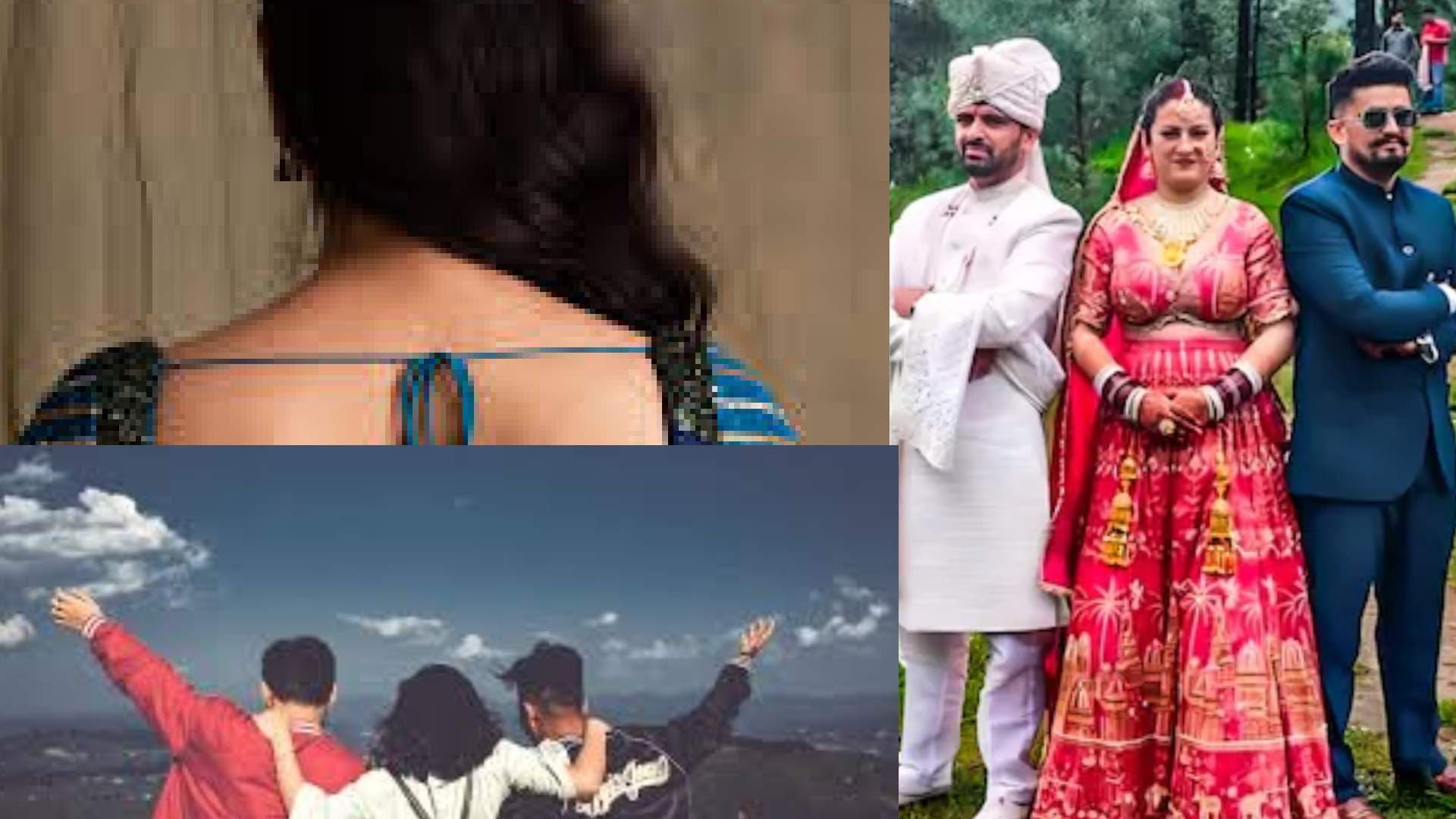
In mid-July this year, a rare and culturally significant wedding took place in Shillai village, the Trans-Giri region of Himachal Pradesh, where two brothers, Pradeep and Kapil Negi, married one woman, Sunita Chauhan. The ceremony lasted three days, drew hundreds of villagers, and showcased deeply rooted traditions of the Hatti tribal community.
This form of marriage is locally known as Jodidara (also called Ujala Paksha or Draupadi Pratha), and represents fraternal polyandry -- a woman marrying two or more brothers.
Under this system, the wife rotates between the husbands on an agreed schedule (nightly, weekly, etc.), and all the brothers share parental responsibilities. While the eldest brother is often regarded as the legal father, children are raised collectively.
In mid-July this year, a rare and culturally significant wedding took place in Shillai village, the Trans-Giri region of Himachal Pradesh, where two brothers, Pradeep and Kapil Negi, married one woman, Sunita Chauhan. The ceremony lasted three days, drew hundreds of villagers, and showcased deeply rooted traditions of the Hatti tribal community.
This form of marriage is locally known as Jodidara (also called Ujala Paksha or Draupadi Pratha), and represents fraternal polyandry -- a woman marrying two or more brothers.
Under this system, the wife rotates between the husbands on an agreed schedule (nightly, weekly, etc.), and all the brothers share parental responsibilities. While the eldest brother is often regarded as the legal father, children are raised collectively.

📱 Get Argus News App
✨📰 60 Word News🎬 Argus Podcast📺 Live TV and Breaking News🔔 Free Notification Alerts
Download Free:
For the Hatti community, Jodidara has long been more than just custom: it helps preserve ancestral land by preventing division among heirs in their hilly agrarian setting.
According to local leaders, the tradition also reinforces family unity and mutual support among brothers.
The recent wedding attracted public attention not only because of its rarity but also because the trio said their decision was mutual and consensual, without coercion.
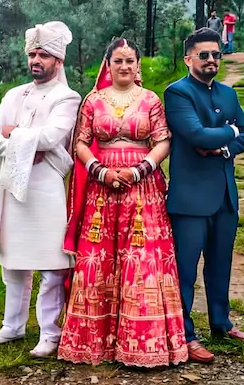
Sunita, the bride, has stated that she chose this path freely.
Legally, the picture is complex. While polyandry is criminalised under India's general marriage laws (such as the Hindu Marriage Act), tribal customary practices enjoy some protections.
According to local leaders, the tradition also reinforces family unity and mutual support among brothers.
The recent wedding attracted public attention not only because of its rarity but also because the trio said their decision was mutual and consensual, without coercion.
Sunita, the bride, has stated that she chose this path freely.
Legally, the picture is complex. While polyandry is criminalised under India's general marriage laws (such as the Hindu Marriage Act), tribal customary practices enjoy some protections.
Himachal Pradesh’s revenue laws recognise Jodidara, and the Hatti community, officially declared a Scheduled Tribe in 2022, continues to assert their right to uphold this tradition.
Critics, including some women’s rights groups, have voiced concern. The All India Democratic Women’s Association (AIDWA), for example, has condemned such marriages, raising questions about gender equality and potential exploitation.
Also Read: Women of This Area Hate To Marry Men, Here's Why
Yet, for many in the Hatti tribe, Jodidara is not merely a relic, but a living tradition -- helping them navigate modernity without losing ancestral identity.
Critics, including some women’s rights groups, have voiced concern. The All India Democratic Women’s Association (AIDWA), for example, has condemned such marriages, raising questions about gender equality and potential exploitation.
Also Read: Women of This Area Hate To Marry Men, Here's Why
Yet, for many in the Hatti tribe, Jodidara is not merely a relic, but a living tradition -- helping them navigate modernity without losing ancestral identity.
Related Topics
Explore more stories