



Global Trade / From Spice Coasts to Silk Routes: India’s Central Role in Shaping Civilisation
·4 months ago·3 min read
Key Points
Ancient trade routes like the Silk Road, Spice Routes, and Grand Trunk Road carried goods, ideas, and cultures across continents, shaping civilisations and global history.
Asia, Apr 23: Trade routes have long been the arteries of civilisation, shaping economies, cultures, and even the destinies of nations. From the deserts of Arabia to the coasts of Kerala, these networks carried not only goods but also ideas, religions, and innovations that transformed the world.
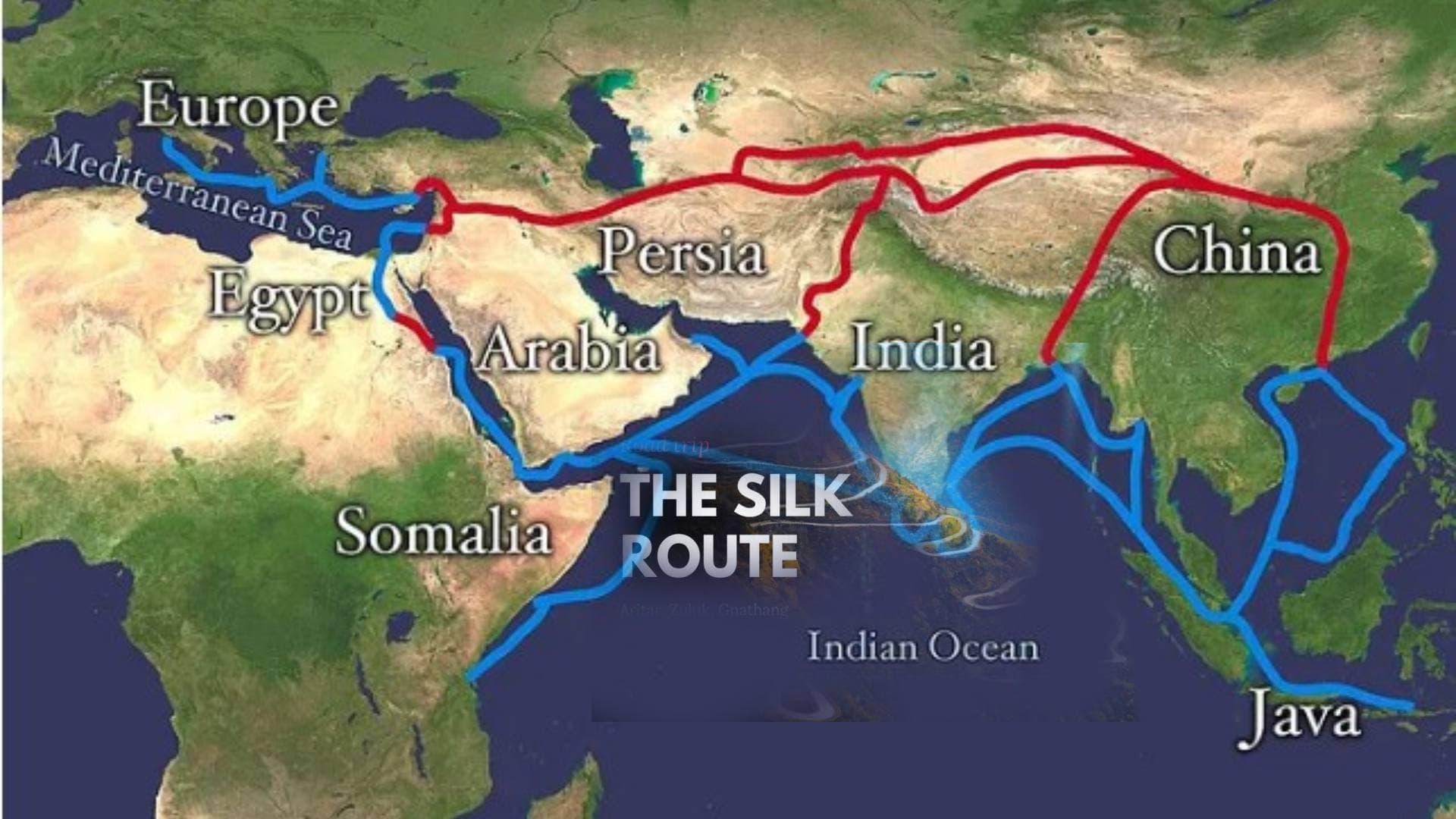
The Silk Road, stretching nearly 4,000 miles, linked China with the Roman Empire. Beginning in Xi’an, it wound through the Great Wall, Pamir Mountains, and Levant before reaching Mediterranean ports. Beyond silk, traders exchanged wool, silver, gold, and philosophies. Cities like Samarkand became hubs of art and science, while the route also facilitated the spread of diseases such as the plague. Revived under the Mongols in the 13th century, it later welcomed explorers like Marco Polo.
Equally influential were the Spice Routes, maritime pathways connecting Asia with Europe. India’s Malabar Coast, rich in pepper, cloves, and cinnamon, became a magnet for traders from Rome, Arabia, and China. Kerala’s Muziris port thrived between the 1st century BCE and 4th century CE, exporting spices and importing gold. Control over spices was so lucrative that European powers fought wars to dominate these routes, with Portugal, the Netherlands, and England reshaping global trade from the 15th century onward.
Also Read: Govt Allows Gulf Airlines to Carry Cargo in Passenger Planes to Keep Supply Chains Going
The Tea Horse Road was another vital corridor, spanning 6,000 miles through the Hengduan Mountains. Chinese tea was exchanged for Tibetan warhorses, sustaining military campaigns and cultural ties. Though it declined with sea trade, it regained importance during World War II as a supply line between inland China and India.
Closer to home, the Grand Trunk Road has carried armies, traders, and pilgrims across South Asia for over two millennia. Rebuilt by Sher Shah Suri and later expanded by the British, it connected Bengal to Kabul, serving as a lifeline for empires from the Mauryas to the Mughals.
The Incense Route, originating in southern Arabia, transported myrrh, frankincense, and resins for religious rituals. Cities along the route became centres of exchange, fostering urban growth and cultural contact.
Together, these routes were more than pathways for commerce—they were conduits of civilisation. They spread the Vedas, Chinese science, and even the seeds of colonisation. As recent findings of Tamil inscriptions in Egypt suggest, ancient trade was far more interconnected than previously imagined.
The Silk Road, stretching nearly 4,000 miles, linked China with the Roman Empire. Beginning in Xi’an, it wound through the Great Wall, Pamir Mountains, and Levant before reaching Mediterranean ports. Beyond silk, traders exchanged wool, silver, gold, and philosophies. Cities like Samarkand became hubs of art and science, while the route also facilitated the spread of diseases such as the plague. Revived under the Mongols in the 13th century, it later welcomed explorers like Marco Polo.
Equally influential were the Spice Routes, maritime pathways connecting Asia with Europe. India’s Malabar Coast, rich in pepper, cloves, and cinnamon, became a magnet for traders from Rome, Arabia, and China. Kerala’s Muziris port thrived between the 1st century BCE and 4th century CE, exporting spices and importing gold. Control over spices was so lucrative that European powers fought wars to dominate these routes, with Portugal, the Netherlands, and England reshaping global trade from the 15th century onward.
Also Read: Govt Allows Gulf Airlines to Carry Cargo in Passenger Planes to Keep Supply Chains Going
The Tea Horse Road was another vital corridor, spanning 6,000 miles through the Hengduan Mountains. Chinese tea was exchanged for Tibetan warhorses, sustaining military campaigns and cultural ties. Though it declined with sea trade, it regained importance during World War II as a supply line between inland China and India.
Closer to home, the Grand Trunk Road has carried armies, traders, and pilgrims across South Asia for over two millennia. Rebuilt by Sher Shah Suri and later expanded by the British, it connected Bengal to Kabul, serving as a lifeline for empires from the Mauryas to the Mughals.
The Incense Route, originating in southern Arabia, transported myrrh, frankincense, and resins for religious rituals. Cities along the route became centres of exchange, fostering urban growth and cultural contact.
Together, these routes were more than pathways for commerce—they were conduits of civilisation. They spread the Vedas, Chinese science, and even the seeds of colonisation. As recent findings of Tamil inscriptions in Egypt suggest, ancient trade was far more interconnected than previously imagined.

📱 Get Argus News App
✨📰 60 Word News🎬 Argus Podcast📺 Live TV and Breaking News🔔 Free Notification Alerts
Download Free:
Related Topics
Explore more stories