



Space Tech / India’s Space Sector Startups Propel Deep Tech Revolution
Key Points
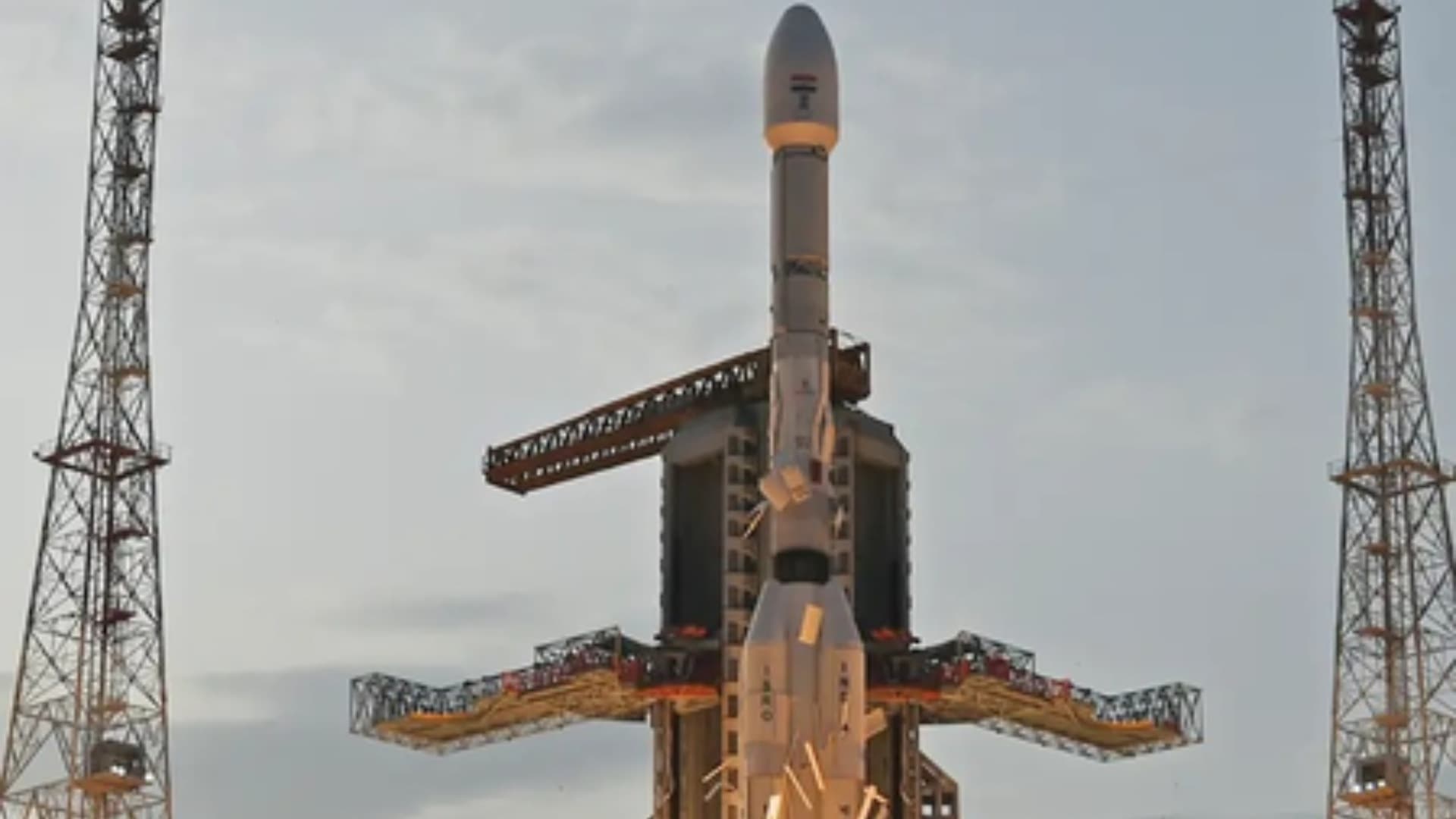
India’s space sector is shifting from state-led dominance to a dynamic state–startup partnership, with firms like GalaxEye and Pixxel driving deep tech innovation and global integration in advanced satellite technologies.
New Delhi, Jun 9: India’s space sector is witnessing a significant transformation as startups increasingly emerge as key players in deep tech innovation, marking a shift from a traditionally state-led model to a more collaborative state–private ecosystem, according to a report.
A report by The Diplomat noted that the development comes after Indian startup GalaxEye successfully launched the world’s first OptoSAR satellite, a milestone that underscores the growing capabilities of domestic private firms in advanced space technologies.
GalaxEye’s OptoSAR technology integrates optical and synthetic aperture radar (SAR) imaging, enabling high-resolution earth observation even in challenging weather conditions such as cloud cover, a capability particularly relevant for tropical regions.
Also read: OpenAI to Rebrand ChatGPT into a Powerful ‘Superapp’
Alongside GalaxEye, Bengaluru-based startup Pixxel has emerged as a key player in India’s private space sector, gaining global recognition for its hyperspectral imaging satellites designed for applications including agriculture, climate monitoring, mining, defence and environmental analysis.
The report noted that Pixxel recently drew international attention after securing a contract linked to the US National Reconnaissance Office (NRO), underscoring the growing global integration of Indian space startups in strategic technology domains.
For decades, India’s space programme remained largely state-driven, with the Indian Space Research Organisation (ISRO) serving as the primary institution for research, satellite development and launch missions. Private participation was largely limited to manufacturing and support services.

📱 Get Argus News App
✨Space technology is now viewed not only as a strategic domain but also as a critical component of national security, digital infrastructure, artificial intelligence development and economic competitiveness.
While the global space economy is expected to exceed $1 trillion by the 2040s, India currently accounts for around 2 per cent of the market, valued at about $8.4 billion, according to the report.
It stated that the government has set a target of increasing this to $44 billion by 2033.
Moreover, policy reforms introduced since 2020 have played a crucial role in enabling this shift. The liberalisation of the space sector has opened new opportunities for private players, marking a departure from India’s earlier state-centric model.
The establishment of the Indian National Space Promotion and Authorisation Centre (IN-SPACe) has been a key institutional development, acting as a facilitator between ISRO and private companies by providing access to infrastructure, technical support and regulatory guidance.
According to the report, these changes signal the emergence of a “state–startup developmental partnership” in India’s deep tech ecosystem, where private innovation and state support are increasingly aligned to advance strategic and economic objectives.
(IANS)
Related Topics
Explore more stories