



Cricket / The Insult that Forged a Throne: Inside BCCI’s Rise as Cricket’s Superpower
Key Points
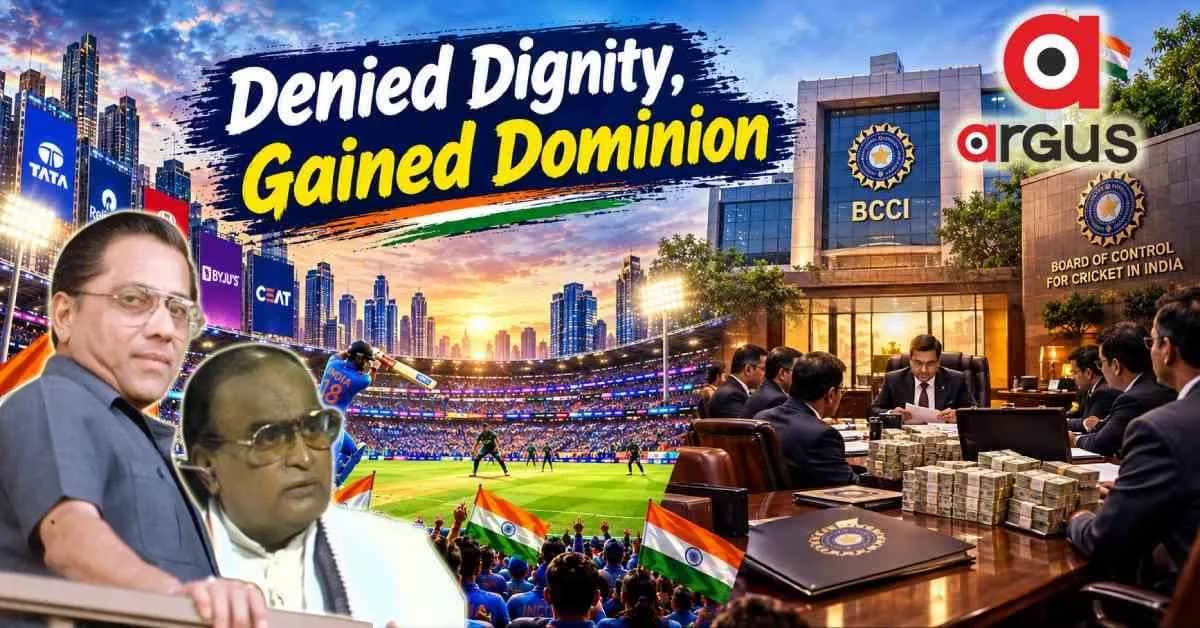
From humiliation at Lord’s in 1983 to commanding nearly 39% of ICC revenues, BCCI’s journey is a cinematic rise — transforming cricket into India’s billion‑dollar entertainment empire.
Bhubaneswar: It starts almost like a paradox. Cricket, a sport played by far fewer nations than football, basketball, or hockey, still commands the second‑largest global fan base — over 2.5 billion people courtesy the Asian followers. Yet its popularity is concentrated in countries bound by colonial history: England, Australia, South Africa, the Caribbean, and above all, India.
England may have invented the game, and Australia helped spread its wings, but the past three decades have belonged to India, although the journey was far from an overnight success.
What began as a story of struggle and humiliation has transformed into one of dominance and pride. From being denied respect in cricket’s corridors of power to becoming the sport’s financial heartbeat, India’s rise is nothing short of cinematic.
It is a tale driven by ego, resilience, and a stubborn decision to carve its own path. Today, when cricket is spoken of, three names echo louder than all others — England, Australia, and India. And India, undeniably, leads the chorus.

📱 Get Argus News App
✨So How It All Started?
Back then, the global cricket body was firmly under the grip of tradition. The presidency wasn’t contested or earned — it was automatically handed to the head of the Marylebone Cricket Club (MCC) at Lord’s. England and Australia, wielding veto power, dictated the game’s global direction, leaving other nations little more than spectators in the boardroom.
Also read: Cricket in India: From Colonial Legacy toNational Obsession
It began with a slight that stung deeply. In 1983, NKP Salve, then BCCI president and Union Minister, was denied two extra passes to the World Cup final at the Lord’s —a reminder of India’s marginal place in cricket’s old order.
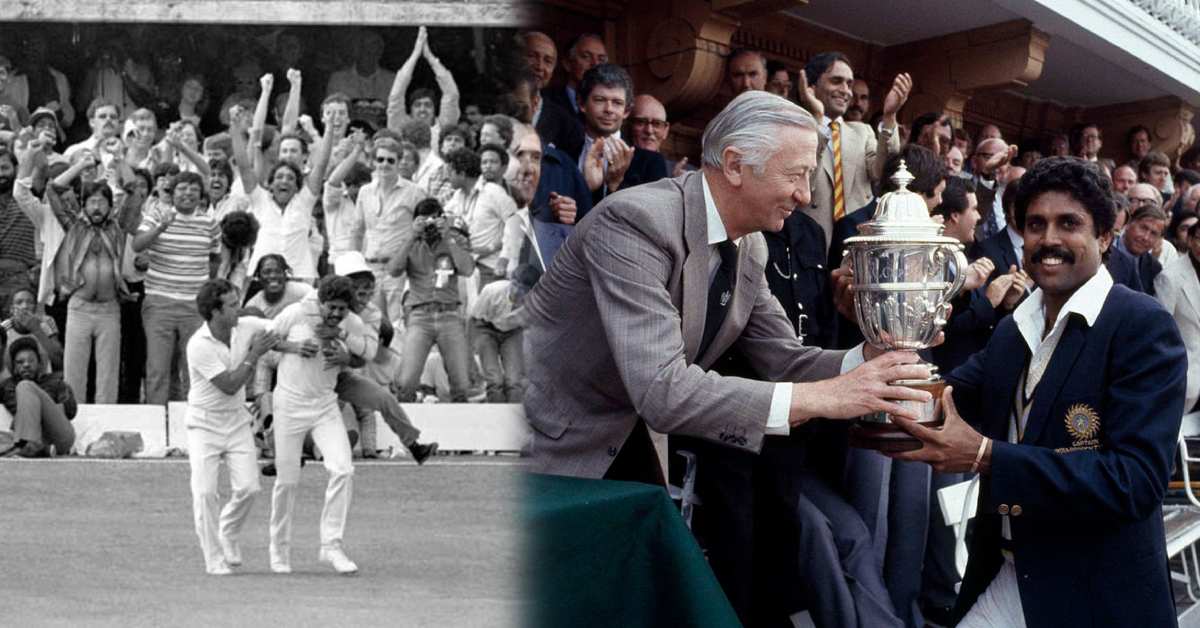
Bruised by the insult, Salve vowed to wrest the tournament away from England, which had hosted all three editions — 1975, 1976 & 1983 — until then. He found an ally in Pakistan’s cricket chief, Air Marshal Nur Khan. Together, they plotted to shift the 1987 World Cup to the subcontinent.
At the ICC general body meeting in 1984, India and Pakistan outvoted England 16-12, offering each participating nation £40,000 — double England’s promise. The format was shortened to 50 overs to suit daylight in the East.
A Smooth Ride! Not at All, Especially Financially
Stage was set, but what about the most important thing — money. Money was scarce. “Getting money out of the two governments was not easy, but Salve had the Indian prime minister’s ear and strong connections with Indian business,” wrote journalist Ayaz Memon.
Dhirubhai Ambani was initially roped in, but Indira Gandhi’s assassination made him withdraw. Rajiv Gandhi stepped in, approving £1.8 million from the government, while Ambani eventually returned, sponsoring ₹6 crore for what became the “Reliance World Cup.”
India lost in the semifinals, but the bigger victory was symbolic. For the first time, cricket’s grandest stage moved outside Britain.
A bruised ego had sparked a revolution, and the subcontinent had announced itself as a contender for cricket’s new power centre.
Financial Evolution: The Dalmiya Chapter
Cricket’s financial revolution in India was anything but smooth. In the early years, administrators scrambled to coax industrialists and governments for funds. Today, however, the BCCI stands as a financial giant, earning billions by auctioning media rights to the highest bidder.
Viacom18 is the latest to join the list, securing rights from September 2023 to March 2028 for a staggering ₹5,963 crore.
The turning point came in the 1990s, when Jagmohan Dalmiya, a sharp Marwari businessman, and IS Bindra unlocked the game’s true commercial potential.
In 1992, when Dalmiya — fondly called Jaggu dada — took charge as BCCI secretary, the board was far from the financial powerhouse it is today. In fact, it was running a deficit of ₹80 lakh.
At the time, state broadcaster Doordarshan held a monopoly over telecast rights, and astonishingly, the BCCI had to pay Doordarshan to air matches. Yet Dalmiya, with his sharp Marwari business instincts, saw opportunity in cricket’s growing popularity after India’s 1983 World Cup triumph.
Together with Bindra, he decided to break the monopoly and in 1993, the tables finally turned.
For the first time, Doordarshan had to pay the BCCI to televise a match — no longer the other way around. Cricket’s broadcast rights were formally recognized as a commodity owned by the board, to be sold to the highest bidder.
The decisive shift came in February 1995, when a landmark Supreme Court ruling cemented BCCI’s control over telecast rights, unlocking the sport’s true commercial potential.
In 1993‑94, the duo sold the telecast rights of the India‑England series to Transworld International for $600,000 per game — a groundbreaking move that changed the economics of Indian cricket.
Dalmiya’s vision extended further during the 1996 World Cup, jointly hosted by India, Pakistan, and Sri Lanka. Television rights were sold to US‑based WorldTel for $10 million, while ITC’s cigarette brand Wills bought sponsorship rights for $12 million, and ultimately delivered $50 million to the ICC.
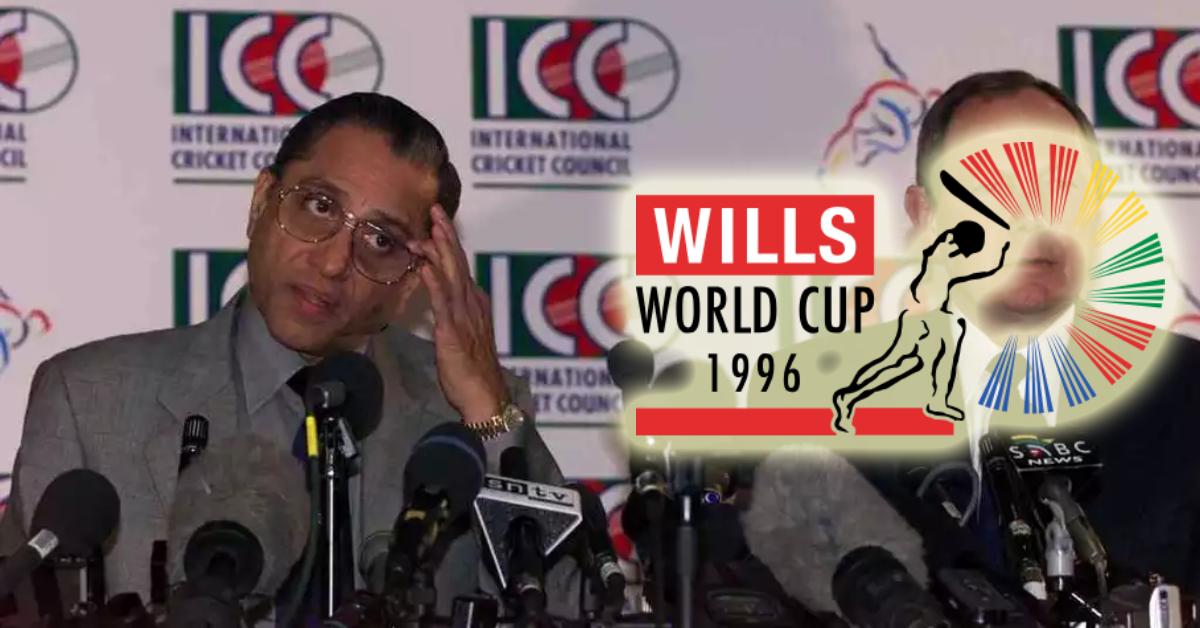
What began as deficit management soon became a revolution. Dalmiya had rewritten the language of cricket sponsorship, laying the foundation for the billion‑dollar empire the BCCI would later become.
And Dalmiya wasn’t done.
He challenged the England‑Australia duopoly within the ICC. Though denied the chairman’s post in 1996, he returned stronger in 1997, becoming the first Asian ICC president. At the time, the ICC had only £16,000 in its coffers. By the end of his term in 2000, it had amassed nearly $15-16 million.
Dalmiya’s vision had not only broken monopolies but reshaped cricket into a global business empire.
Financial Evolution: Partnership Chapter
Cricket’s transformation into India’s premier entertainment property is a story of ambition, legal battles, and shrewd monetization. The BCCI, building on the foundation laid by Dalmiya, turned the sport into a billion‑dollar enterprise.
No longer dependent on state broadcasters, the board began playing private networks against each other, shifting from short‑term contracts to multi‑year global media packages.
The watershed moment arrived in 2006, when Nimbus Communications secured a four‑year deal worth $612.18 million, cementing cricket as India’s most powerful advertising vehicle.
Sponsorship too was reimagined. What once meant a logo on a jersey became premium corporate real estate.
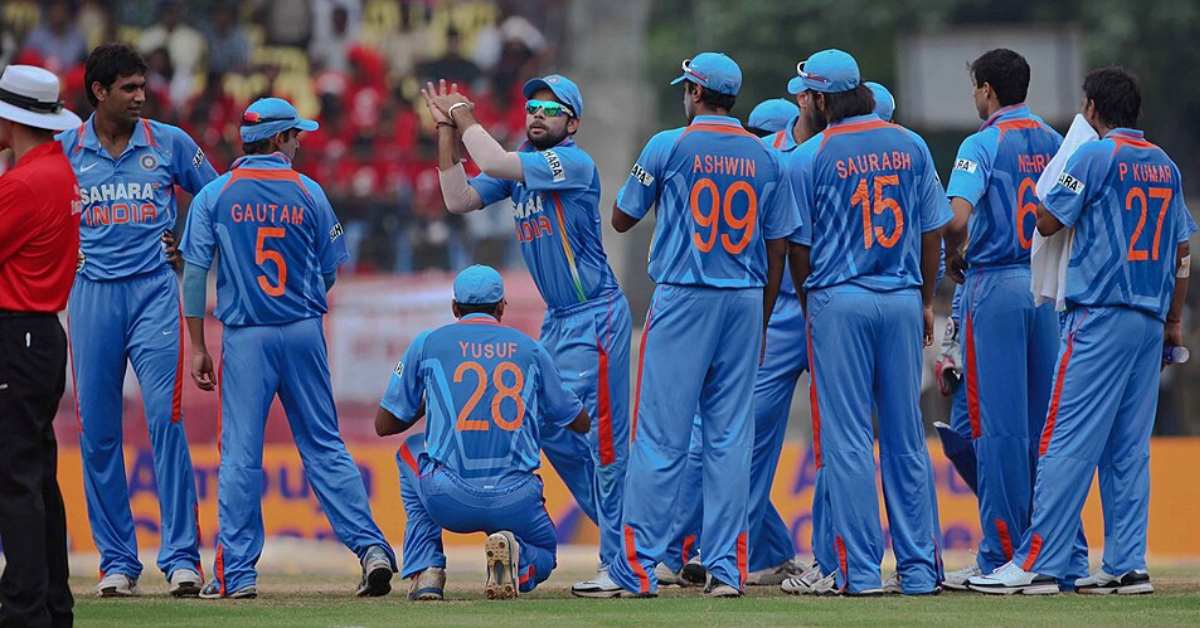
In 2005, Nike signed a $43 million kit sponsorship deal, ushering in global brands and escalating the stakes. Soon, bidding wars erupted — Sahara India, and later tech giants like Byju’s and Dream11, fought fiercely for the coveted Indian team jersey.
As India’s cricket economy soared, global markets lagged, unable to match its pace or power.
Financial Evolution: The Ultimate Masterstroke
India’s sports industry has blossomed into a goldmine, offering rewards not just for investors but for every stakeholder involved. Leagues like the Indian Premier League (IPL), Indian Super League (ISL), and Pro Kabaddi League (PKL) have reshaped the commercial landscape, turning athletes, organizers, and sponsors into beneficiaries of a booming ecosystem.
The IPL, in particular, stands as cricket’s crown jewel. More than just a tournament, its innovative business model transformed the game into a global spectacle, redefining how sports could be packaged, sold, and celebrated.
The IPL’s story didn’t begin in 2008 — it started a year earlier, in the afterglow of India’s 2007 T20 World Cup triumph under MS Dhoni. Riding the wave of T20’s popularity, Subhash Chandra of Essel Group launched the Indian Cricket League (ICL), a private franchise competition. But without BCCI recognition, it quickly faded.
Meanwhile, Lalit Modi, who had pitched a city‑based league to the BCCI back in the mid‑90s, revived his vision. Learning from the ICL’s failures, he crafted a model that blended cricket, business, and entertainment while nurturing Indian talent.
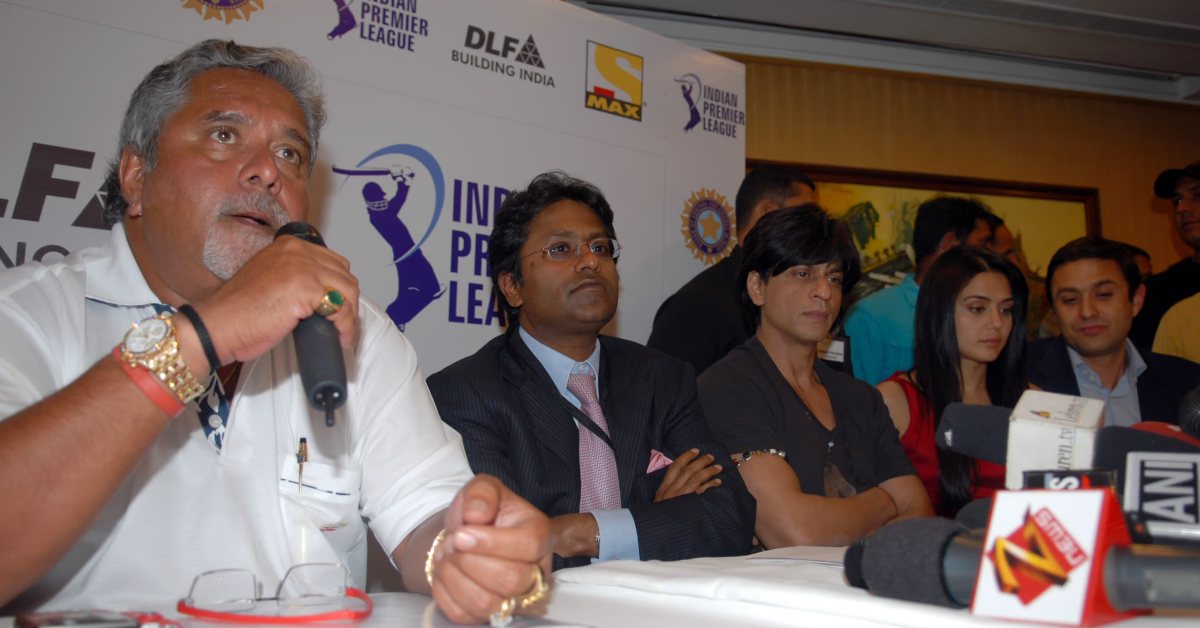
The IPL was born, and its success was no accident. Fans were hooked instantly, seeing legends like Sachin Tendulkar, Rahul Dravid, Sourav Ganguly, and Dhoni not just as teammates in blue, but as rivals in new colours.
Then came the icing on the cake — the team owners.
The IPL wasn’t just about cricket — it was spectacle. Backed by Bollywood stars like Shah Rukh Khan, Juhi Chawla, Preity Zinta, and Shilpa Shetty, alongside business titans like Mukesh Ambani and Vijay Mallya, the league instantly gained glamour and credibility.
But beneath the glitz, it built something lasting: a launchpad for young Indian talent. Uncapped players shared the field with legends, learning and earning in equal measure. Over time, the IPL became a perfect blend of competition, commerce, and culture — redefining how India lives cricket.
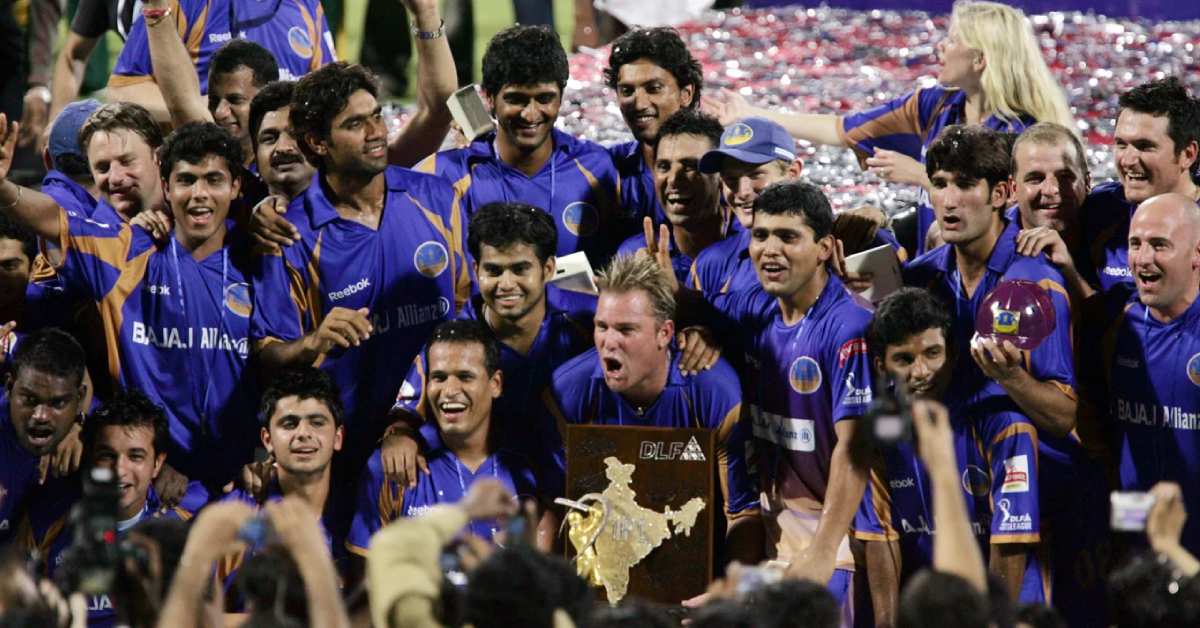
The IPL’s rise from a bold experiment in 2008 to a global sports powerhouse is a story of vision, risk, and staggering financial growth. Its model was revolutionary: franchises owned not by the BCCI but by private companies, film stars, and business groups. These owners paid the board for long‑term rights, while the BCCI retained control over rules and commercial structures.
The real engine, however, was broadcasting. Sony’s first ₹5,400 crore deal set the tone, followed by Star India’s ₹16,347 crore bid in 2017. By 2022, the game changed again — TV and digital rights were split, with Disney Star taking television and Viacom18 securing streaming.
The 2024 merger of these giants into Jio Star produced a record ₹48,390 crore deal, making the IPL second only to the NFL in per‑match broadcast value.
Sponsorships added another layer, with central deals like Tata’s and team‑specific jersey partnerships boosting revenues. The league’s revenue‑sharing formula evolved too, shifting more towards the BCCI over time.
From modest beginnings in 2008, when it earned ₹661 crore and barely broke even, the IPL’s profits skyrocketed. By 2013, surpluses hit ₹385 crore, and in 2018 all franchises turned profitable for the first time.
The real explosion came in 2023, when revenues touched ₹11,769 crore and surplus crossed ₹5,120 crore. In 2026, the revenues surpassed ₹15,000 crore, and with a surplus estimated at roughly ₹6,700 crore.
From ₹14 crore in 2008 to thousands of crores today, the IPL’s journey mirrors India’s transformation of cricket into a billion‑dollar spectacle — standing shoulder to shoulder with the NBA and Premier League.
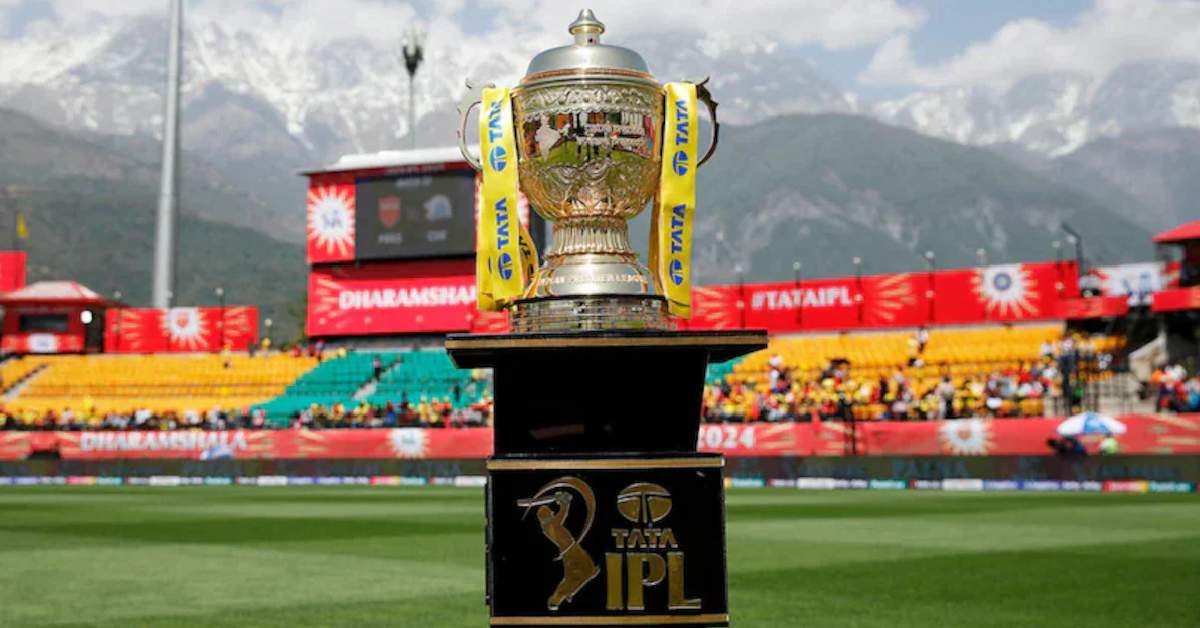
The IPL didn’t just transform cricket — it reshaped India’s entire sporting culture. What began as a daring idea in 2008 grew into a billion‑dollar spectacle, proving that sport could be both passion and industry. Its success sparked a wave of imitators — the ISL, PKL, Premier Badminton League, and more — all built on the IPL’s winning formula.
Conclusion
India’s rise in world cricket is nothing short of cinematic. What began with NKP Salve’s bruised ego at Lord’s in 1983 has culminated in the BCCI commanding nearly 39% of ICC’s revenues and contributing 85% of its commercial strength.
The “Big Three” model — BCCI, ECB, and CA — experiment collapsed, but India only grew stronger, reshaping cricket’s balance of power. Critics call it distortion; admirers call it destiny.
From denied tickets to global dominance, the heartbeat of cricket now unmistakably pulses in India.
Related Topics
Explore more stories