



Cricket in India: From Colonial Legacy to National Obsession
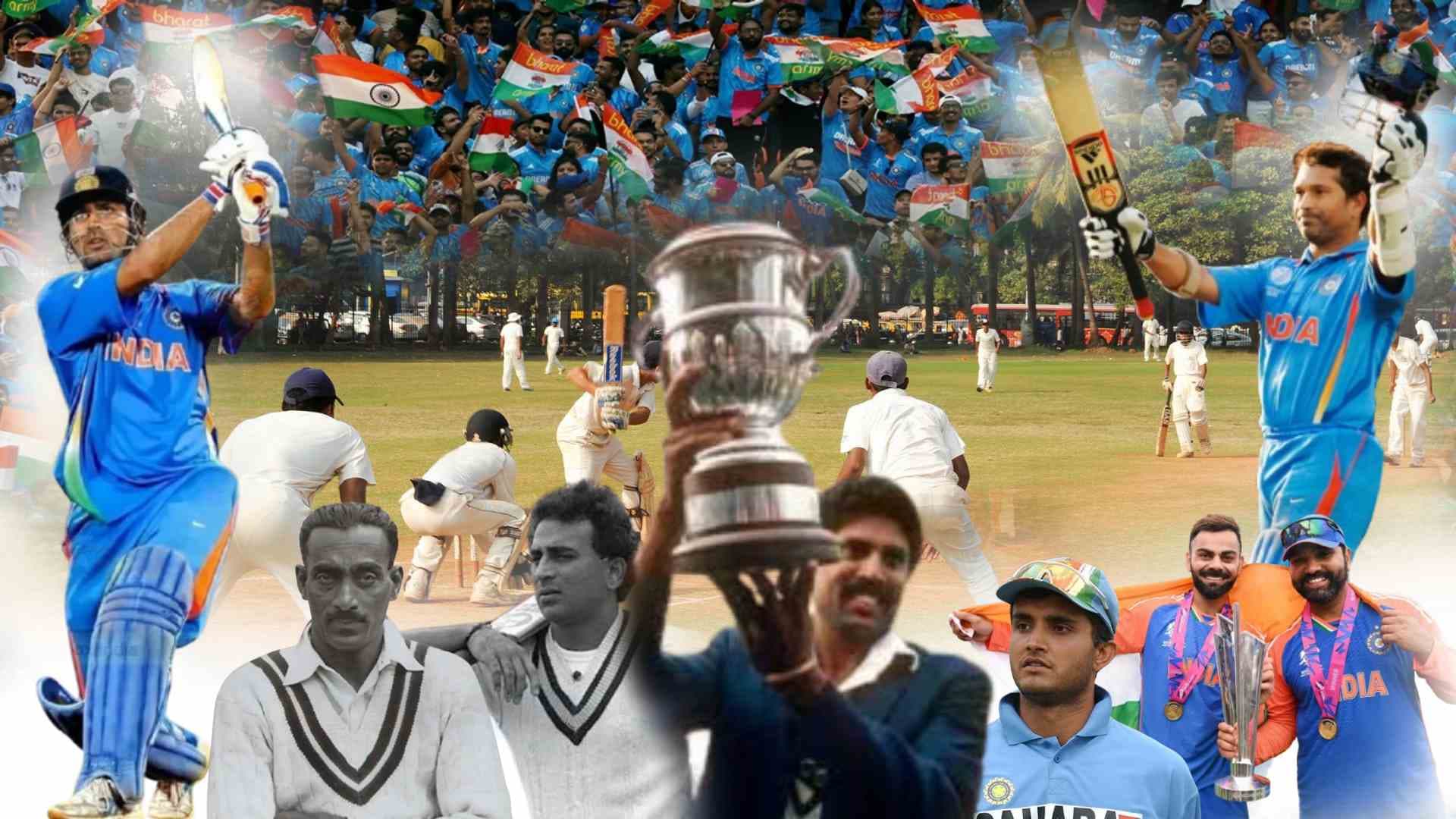
Key Points
Cricket in India evolved from a colonial pastime to a cultural phenomenon, symbolizing national pride and unity.
Satellite TV and the IPL transformed cricket into a mass spectacle, blending sport with entertainment and commerce. Cricket’s emotional legacy is amplified by Bollywood, turning players into icons and matches into cinematic events.
Bhubaneswar: Cricket in India is not just a sport — it’s a cultural phenomenon, a national passion, and for many, a way of life. To simplify the previous statement, I would rather say: “Cricket is an obsession”. From colonial roots to global dominance, India’s journey with cricket reflects its transformation as a nation.
From the bustling cities to the quietest corners of rural India, cricket is omnipresent. It’s more than just a sport — it’s a shared dream. At some point, every Indian has imagined himself or herself wielding a bat or ball, with some even willing to give up everything to chase that vision.

📱 Get Argus News App
✨Though cricket was introduced during British colonial rule, it’s the one legacy that India never let go of. While most remnants of imperialism were rejected, cricket endured — and thrived. Today, it’s not just a borrowed pastime; it’s a vital part of India’s cultural identity. In many ways, cricket is as essential to Indians as the air they breathe.
Like the English language, which has been seamlessly woven into daily life, cricket has been fully Indianised. It’s no longer a colonial relic but a sport that India has made its own, elevating it far beyond its foreign origins.
Once confined to the elite, cricket gradually broke social barriers and became a game for all. This transformation is beautifully captured in the Aamir Khan-starrer movie, Lagaan, where villagers challenge colonial power through cricket.
For many, cricket is more than a sport — it’s a religion that transcends traditional faiths. Among all sports, cricket reigns supreme in the hearts of over 1.4 billion Indians. When an Indian cricketer succeeds on the field, it feels like a collective victory. Cricket evokes a sense of patriotism and togetherness that few other things can — it’s the heartbeat of a nation.
But how did a game introduced by British colonizers evolve into India’s most beloved obsession? Let’s just walk down the memory lane to find out how the game was introduced to the people of India.
Colonial Origins and Cultural Adoption
Cricket was introduced to India in the 18th century by British officers as a leisurely pastime. Initially confined to elite colonial circles, the sport gradually permeated Indian society.
The sport, born in England, was introduced to India by the East India Company, a British trading enterprise. The earliest recorded match took place in 1721 in Khambhat, Gujarat, played by British sailors, as noted in Clement Downing’s A History of the Indian Wars (1737).
Initially a symbol of British cultural superiority, cricket gradually found Indian enthusiasts. The Parsis, a minority trading community with close ties to the British, embraced the game early, forming their own teams by the mid-1800s. Over time, English sports began to overshadow traditional Indian sports like wrestling and Kabaddi, the latter becoming formalised in the 1920s with structured rules and competitions.
As India approached independence in 1947, cricket became a subject of political debate. Student activists criticized inter-community tournaments like the Bombay Pentangular, viewing them as colonial distractions.
Yet, cricket’s popularity endured, drawing large crowds and fostering communal representation through teams of Hindus, Muslims, Parsis, Europeans, and the Rest (comprising Buddhists, Jews, and Indian Christians).
Despite its colonial origins, cricket evolved into a deeply rooted cultural phenomenon in India, transcending its imperial past and becoming a unifying force across communities and generations.
Some Notable Facts
The first ever match of first-class cricket played in India was in 1864 between Calcutta and Madras. Not many records exist from the match.
India, the sixth national team to play Test cricket, played their inaugural Test under the captaincy of CK Nayudu against England at Lord's, June 25-28 in 1932.
India secured its first Test victory in 1952, beating England by an innings in Madras.
Proposed by BCCI's founder AS De Mello, the Ranji Trophy, initially introduced as ‘The cricket championship of India’, entered the scene in 1934. The first match was played between Madras (now Chennai) and Mysore on November 4 at the Chepauk ground in Madras.
The Indian women's team made its Test debut in 1976, becoming the third nation to do so.
Even though it existed before, the Cricket for Physically Challenged got its attention in early 2000s before getting BCCI recognition post 2010.
The 1983 World Cup: A Defining Moment
A pivotal moment in cricket’s journey to becoming India’s primary sport came in 1971, when the Indian team secured a historic victory on English soil. Defeating their former colonizers in their homeland, India not only proved its prowess on the pitch but also symbolically reclaimed pride through a game once used to assert imperial dominance.
However, it was India’s unexpected victory in the 1983 World Cup under Kapil Dev’s captaincy, which became the watershed moment. India announced itself on the global cricketing stage defeating the mighty two-time reigning champions West Indies at Lord’s in London – the original home of the sport, once called the "cathedral of cricket."
Recalling the moment, Sunil Valson, who was part of the 14-member squad in 1983, said in an interview: "The board started getting commercial benefits only after the World Cup win and for us it was a game-changer. Understand nowadays whenever the Indian team goes for a World Cup the expectations are so high on them. But in '83 nobody expected it, but the way we played was just amazing. '83 will be '83, that changed the passion, the trend."
The win certainly ignited mass interest in the sport, especially in small towns and rural areas, and cricket began to transcend class and caste boundaries.
Media Boom and Mass Accessibility
West Indies had toured India in 1966-67, playing Test matches at Bombay (now Mumbai), Calcutta (now Kolkata), and Madras (now Chennai), but it was during their tour match against the Indian Prime Minister’s XI at the Feroz Shah Kotla in Delhi that history had been created. This was the first cricket match to be telecast live on television in India, though only viewers in Delhi could watch it.
When the Australians came over three seasons later, their Test match at the same venue was telecast live — once again, only in Delhi. As an outcome of a long negotiation, the Delhi Cricket Association were reportedly paid Rs 1,500 a day for the match.
The 1990s saw the rise of satellite television after India opened its economy to the world. Satellite television and cheaper television sets made cricket the most-viewed show in the country, which brought live cricket into every Indian home.
Players like Sachin Tendulkar became household names, and matches turned into national events. Cricket commentary, analysis, and coverage became part of daily life, and the sport’s emotional grip on the public intensified.
IPL and the Commercial Revolution
The launch of the Indian Premier League (IPL) in 2008 revolutionized cricket’s appeal. With city-based franchises, celebrity owners, and international stars, IPL blended sport with entertainment. It created a new economy around cricket, turning players into multimillionaires and matches into primetime spectacles. IPL also gave rise to regional loyalties, making cricket more personal and engaging for fans.
The cash-rich tournament not only boosted BCCI economically, but helped the board spot hidden talents across the country. It was the IPL which gifted India the players like Ravichandran Ashwin, Ravindra Jadeja, Jasprit Bumrah, Hardik Pandya, and the list goes on.
Cricket and Bollywood: A Cultural Fusion
Cricket’s popularity was amplified by its fusion with Bollywood. Films and documentaries like ‘MS Dhoni: The Untold Story’, ‘Sachin: A Billion Dreams’, and 83, turned cricketers into cinematic heroes. Bollywood stars owning IPL teams further embedded cricket into pop culture, making it a lifestyle choice even for non-sports fans.
Emotional Legacy and Generational Bond
Cricket in India is passed down like folklore — from grandparents to grandchildren. Gully cricket, played with makeshift gear in narrow lanes, is a rite of passage. The sport fosters community pride, and every neighbourhood has its local legend. Cricket is a language of bonding, aspiration, and shared emotion across generations.
Global Impact and National Identity
Cricket became India’s soft power tool, showcasing its talent and diplomacy on the world stage. Victories are seen as national achievements, and players are celebrated as heroes who represent the country’s rise. The India-Pakistan rivalry, in particular, adds emotional intensity, turning matches into symbolic battles of pride and patriotism.
Cricket as a Mirror of Modern India
Cricket reflects India’s diversity, ambition, and resilience. It has evolved from a colonial pastime to a unifying force that cuts across language, religion, and region. It teaches teamwork, patience, and perseverance — values deeply embedded in Indian society.
Conclusion
India’s cricket obsession is rooted in history, fuelled by emotion, and sustained by media and commerce. It’s more than a game — it’s a national heartbeat. As long as the sound of bat meeting ball echoes across streets and stadiums, cricket will remain India’s most cherished passion.
read more Sports news