



Viksit Odisha / Odisha Cabinet to Discuss Seven Proposals with Focus on Water, Food, and Education Policies
Key Points
Odisha’s cabinet, led by CM Mohan Charan Majhi, will discuss seven proposals, including a new rural drinking water policy, building on recent welfare measures like free rice and expanded reservations.
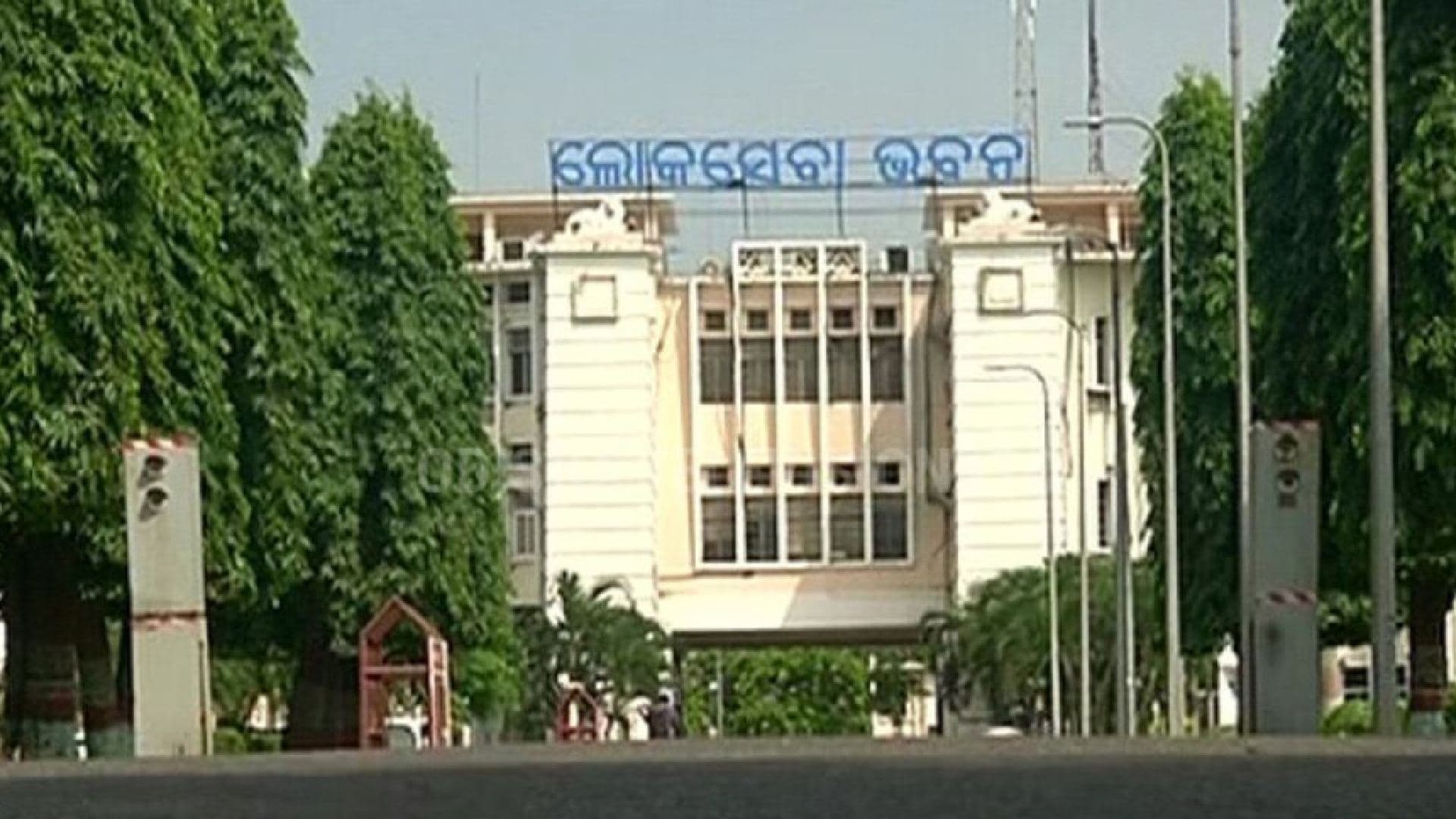
Bhubaneswar, Apr 9: A crucial state cabinet meeting is scheduled for Friday under the chairmanship of Chief Minister Mohan Charan Majhi at Lok Seva Bhawan. Departmental ministers and secretaries will be present, with discussions expected on seven key agenda items.
Among the most significant proposals likely to be tabled is from the Panchayati Raj and Drinking Water Department. The department is preparing to introduce a new policy titled ‘Operation and Maintenance of Rural Drinking Water Supply, 2026’. The primary objective of this policy is to ensure household-level water supply across Odisha, aiming to eliminate water scarcity issues for residents.
Other departments, including Education, Health, Transport, General Administration, Law, and Public Grievances, may also present proposals during the meeting.
Also read: Bitcoin, Chinese Yuan to Replace Dollar!Iran Seeks New Toll System for Strait of Hormuz Passage

📱 Get Argus News App
✨This upcoming session follows the cabinet meeting held on April 4, where the government announced the Annapurna Scheme under the “Khudamukta Odisha” initiative.
The scheme provides an additional 5 kilograms of free rice per person each month, benefiting nearly 3.28 crore people covered under the National Food Security Act and the State Food Security Scheme. This rice distribution is over and above the regular monthly quota.
In addition, the cabinet recently approved major changes in reservation policies for higher education. To ensure justice for backward classes and marginalized communities, the government increased reservations for Scheduled Tribes from 12% to 22.5% and for Scheduled Castes from 8% to 16.2%.
For the first time, an 11.2% reservation has been introduced
for Socially and Educationally Backward Classes (SEBC) and other backward
groups. These revised quotas will apply to all government and private higher
education institutions across the state.
Related Topics
Explore more stories