



Parking Crisis / No Parking Certificate, No Vehicle! Odisha’s Latest Policy Could Halt Your New Ride Dreams
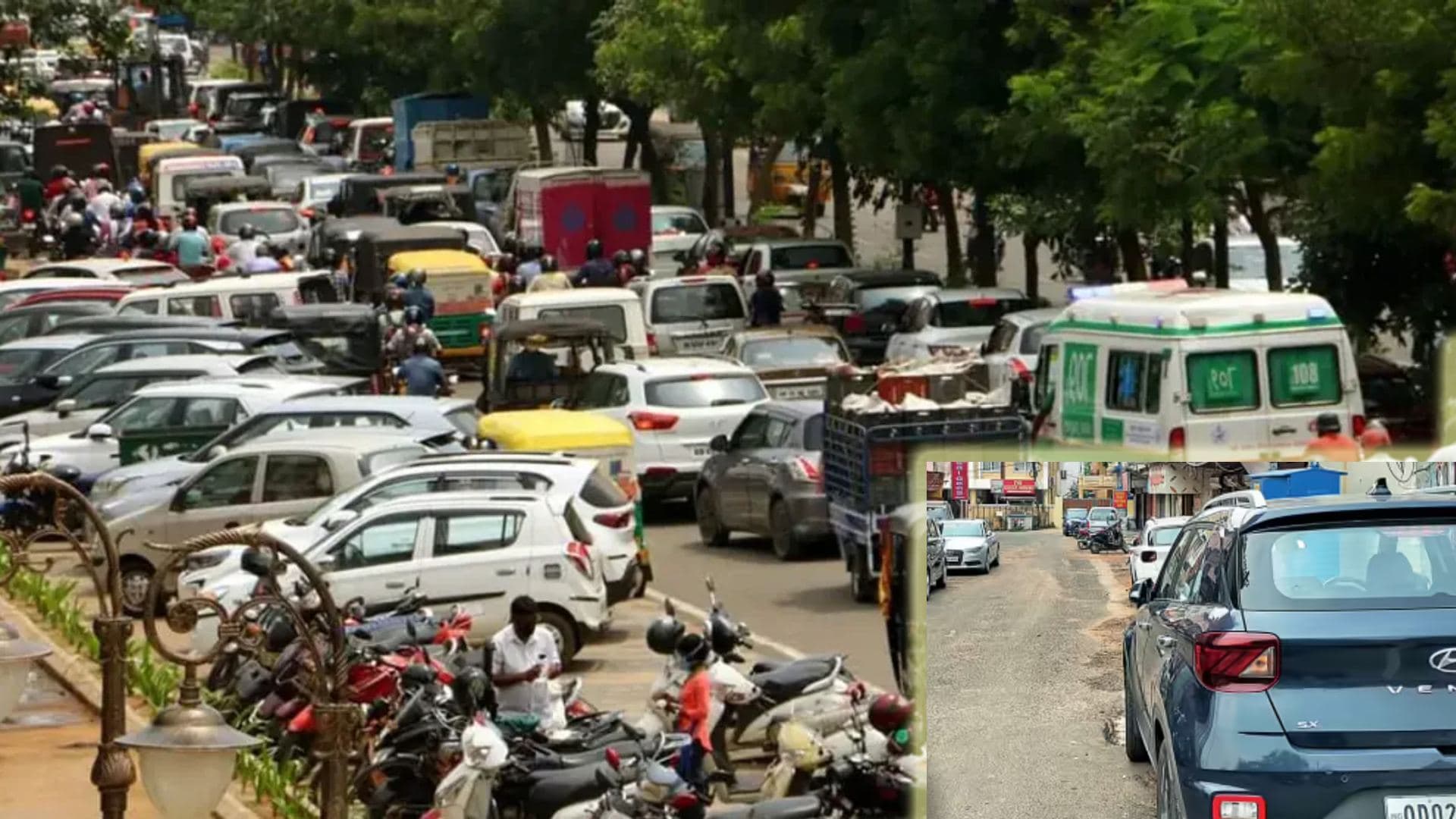
Key Points
Odisha plans Urban Parking Policy 2026, mandating proof of parking for new vehicles, stricter fines for illegal parking, demand-based fees, EV charging facilities, and smart systems to ease congestion.
Bhubaneswar, Apr 15: Odisha is set to introduce a landmark Urban Parking Policy 2026, aimed at tackling the growing parking crisis across its cities.
The state’s Urban Development Department has issued a draft notification, outlining strict measures that will soon be enforced statewide.
Under the new rules, vehicle owners will be required to provide proof of parking facilities before registering new vehicles.
This move is designed to curb the rampant growth of vehicles
without adequate parking arrangements, which has worsened congestion and
traffic woes in urban areas.
Also read: Odisha to Introduce Slot Booking System for Darshan at Puri Jagannath Temple

📱 Get Argus News App
✨The policy also proposes stringent action against unauthorized parking, including heavy fines and penalties.
Parking will be prohibited on narrow roads less than 12 meters wide, particularly at night or for regular parking.
Demand-based parking fees will be introduced, with higher charges in busy commercial zones and lower rates in less congested areas.
Off-street parking will be incentivized, with rates set 25% cheaper than on-street parking.
To promote sustainable mobility, the policy emphasizes public transport, cycling, and walking infrastructure.
Revenue collected from parking fees will be reinvested into improving footpaths, cycle lanes, public transport, and urban infrastructure. Additionally, congestion fees may be levied in crowded areas to discourage excessive private vehicle use.
Electric vehicle (EV) adoption is also a priority. All new parking facilities will be mandated to include EV charging stations, ensuring greater accessibility for eco-friendly transport options. Smart parking systems with mobile apps, real-time slot availability, digital payments, and automated monitoring will be introduced to streamline operations.
The urgency of this policy stems from the rapid rise in vehicle numbers. Odisha had 91.3 lakh registered vehicles in 2017-18, which surged past 1.5 crore by 2023-24, creating severe traffic and parking challenges.
The government hopes this policy will transform cities into
more organized, pedestrian-friendly, and transport-efficient spaces.
Related Topics
Explore more stories