



Odisha culture news / Kantara-Like Legend in Odisha: How Lakshmi Varaha Jew Chose People Over a Palace
·8 months ago·4 min read
Key Points
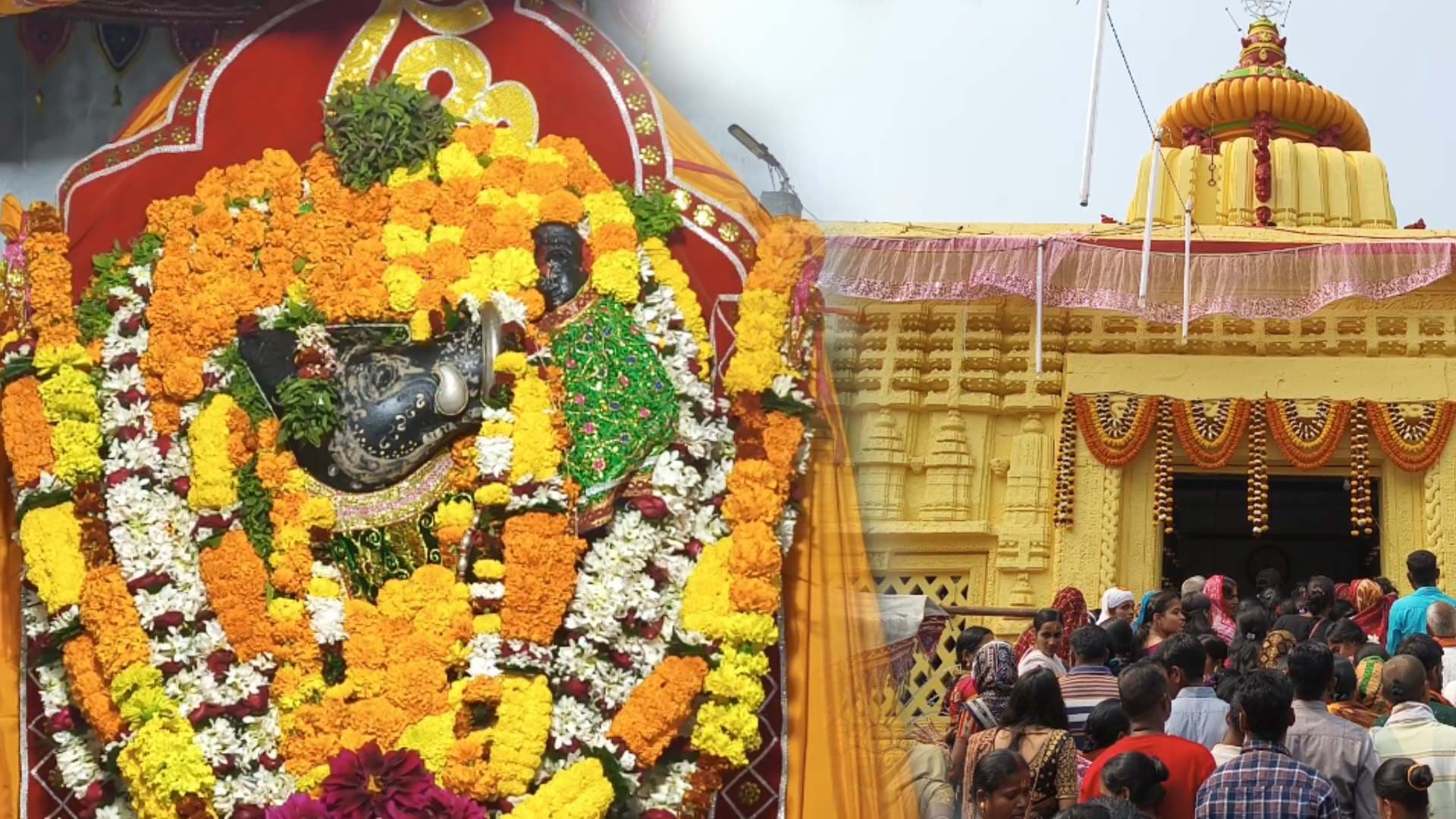
- The Lakshmi Varaha Jew Temple in Aul, Kendrapara, is steeped in legend where the deity chose to stay among common people rather than a royal palace.
- King Nilakantha Deb was told by the Lord in a dream to lead Him to Aul; the deity stopped where the king looked back.
- Baraha Dwadashi sees grand rituals, Harihata Mahotsav with 108 Brahmins, drawing devotees from across Odisha for fulfilled prayers.
Kendrapara, Jan 29: Much like the folk legends that inspired films such as Kantara, the story of Lord Lakshmi Varaha Jew of Aul is deeply rooted in faith, folklore and the belief that divinity belongs among the people.
Situated in Aul of Odisha's Kendrapara district, the Lakshmi Varaha Jew Temple is not just a place of worship but a living testament to an age-old legend where the deity is believed to have chosen accessibility over royalty.
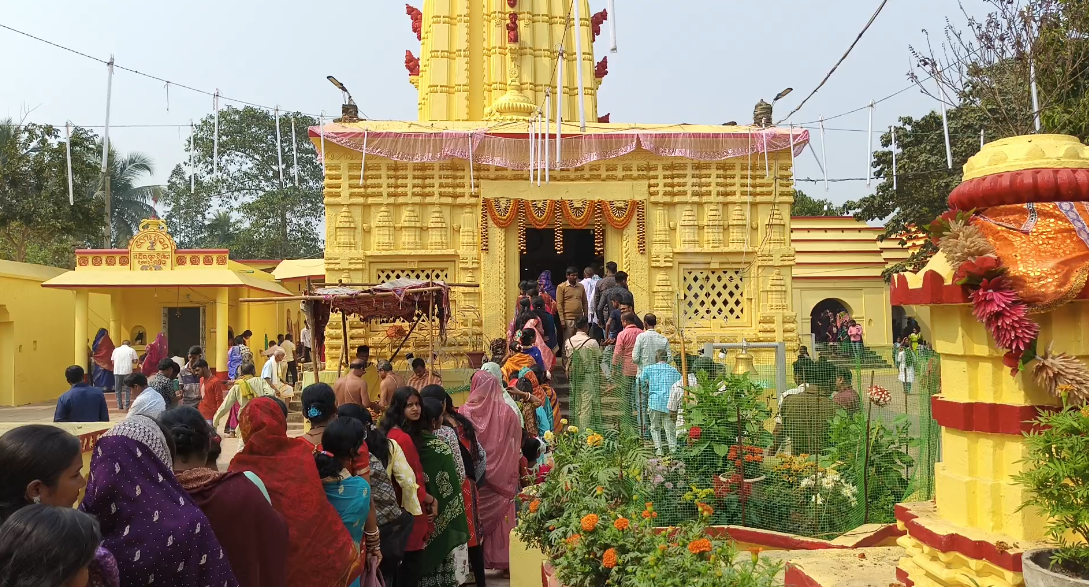
Located around 95 kilometres from Cuttack and 35 kilometres from Kendrapara, the temple draws thousands of devotees every year, especially on Baraha Dwadashi in the month of Magha, when the region turns into a centre of spiritual fervour.
Also Read: Girl Student Assaulted by two Youths Near School in Odisha's Ganjam District, Condition Critical
Situated in Aul of Odisha's Kendrapara district, the Lakshmi Varaha Jew Temple is not just a place of worship but a living testament to an age-old legend where the deity is believed to have chosen accessibility over royalty.
Located around 95 kilometres from Cuttack and 35 kilometres from Kendrapara, the temple draws thousands of devotees every year, especially on Baraha Dwadashi in the month of Magha, when the region turns into a centre of spiritual fervour.
Also Read: Girl Student Assaulted by two Youths Near School in Odisha's Ganjam District, Condition Critical

📱 Get Argus News App
✨📰 60 Word News🎬 Argus Podcast📺 Live TV and Breaking News🔔 Free Notification Alerts
Download Free:
Legend of King Nilakantha Deb and Divine Devotion
According to local legend, King Nilakantha Deb of Aul was a deeply devout follower of Lord Lakshmi Varaha. It is believed that he would travel nearly 32 kilometres every day to Biraja Kshetra in Jajpur to have darshan of the deity. His unwavering devotion eventually drew divine attention.
Legend says that one night, Lord Lakshmi Varaha appeared in the king’s dream and told him that He would accompany him to Aul, on the condition that the king must not look back during the journey. The Lord said He would remain wherever the king turned to look.
The Divine Sound and the Moment of Revelation
When the king asked how he would know that the Lord was following him, the deity replied that the king would hear a distinctive anklet sound (runujhunu). As the king began his return journey, the sound followed him until he reached a sandy stretch of land. When the sound suddenly stopped, the king turned back and saw Lord Lakshmi Varaha in a colossal form.
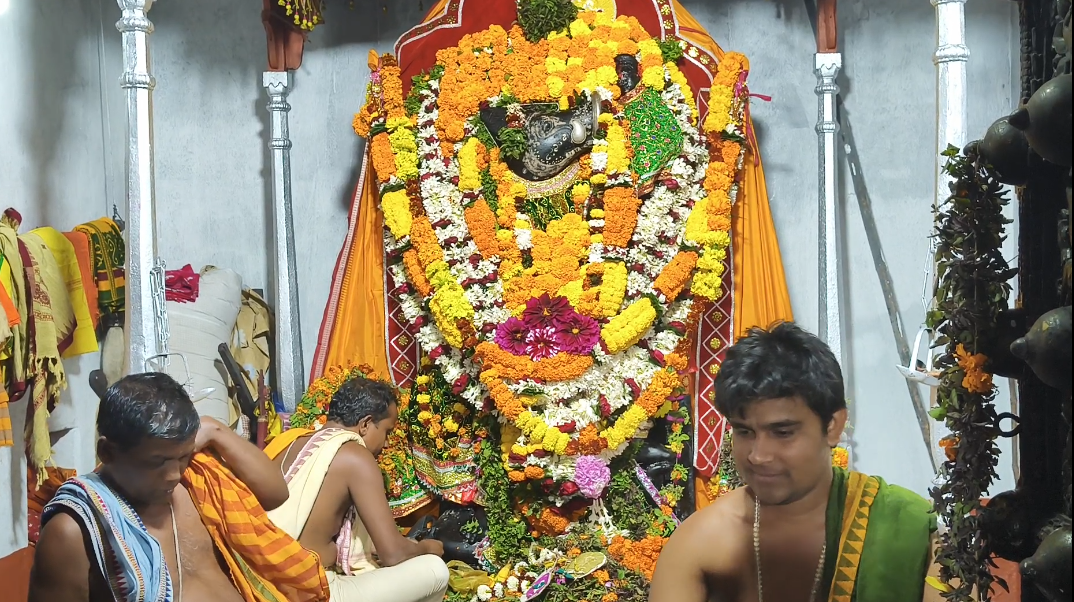
Despite repeated requests, the deity chose not to move further. According to belief, the Lord wished to remain accessible to common devotees rather than reside within a royal palace. That day is observed as the birth anniversary of Lord Lakshmi Varaha.
“The Deity Wanted to Stay with the Common People”
Temple priest Sushant Kumar Das explains the belief behind the legend.
According to local legend, King Nilakantha Deb of Aul was a deeply devout follower of Lord Lakshmi Varaha. It is believed that he would travel nearly 32 kilometres every day to Biraja Kshetra in Jajpur to have darshan of the deity. His unwavering devotion eventually drew divine attention.
Legend says that one night, Lord Lakshmi Varaha appeared in the king’s dream and told him that He would accompany him to Aul, on the condition that the king must not look back during the journey. The Lord said He would remain wherever the king turned to look.
The Divine Sound and the Moment of Revelation
When the king asked how he would know that the Lord was following him, the deity replied that the king would hear a distinctive anklet sound (runujhunu). As the king began his return journey, the sound followed him until he reached a sandy stretch of land. When the sound suddenly stopped, the king turned back and saw Lord Lakshmi Varaha in a colossal form.
Despite repeated requests, the deity chose not to move further. According to belief, the Lord wished to remain accessible to common devotees rather than reside within a royal palace. That day is observed as the birth anniversary of Lord Lakshmi Varaha.
“The Deity Wanted to Stay with the Common People”
Temple priest Sushant Kumar Das explains the belief behind the legend.
“It is believed that when the king looked back, Lord Lakshmi Varaha Jew decided to stay at that very spot. Despite repeated requests, the deity did not move towards the palace because the Lord wished to remain accessible to common devotees.”
He adds, “That day is observed as the birth day of Lord Lakshmi Varaha Jew. Since then, Baraha Dwadashi has been celebrated here with great devotion.”
Rituals of Baraha Dwadashi
On Baraha Dwadashi, rituals begin early in the morning with the opening of the shrine, followed by Mangala Alati and the ceremonial bathing of the deity.
“All rituals are performed strictly according to age-old traditions handed down through generations,”
says priest Sushant Kumar Das.
'Harihata Mahotsav' and Spiritual Atmosphere
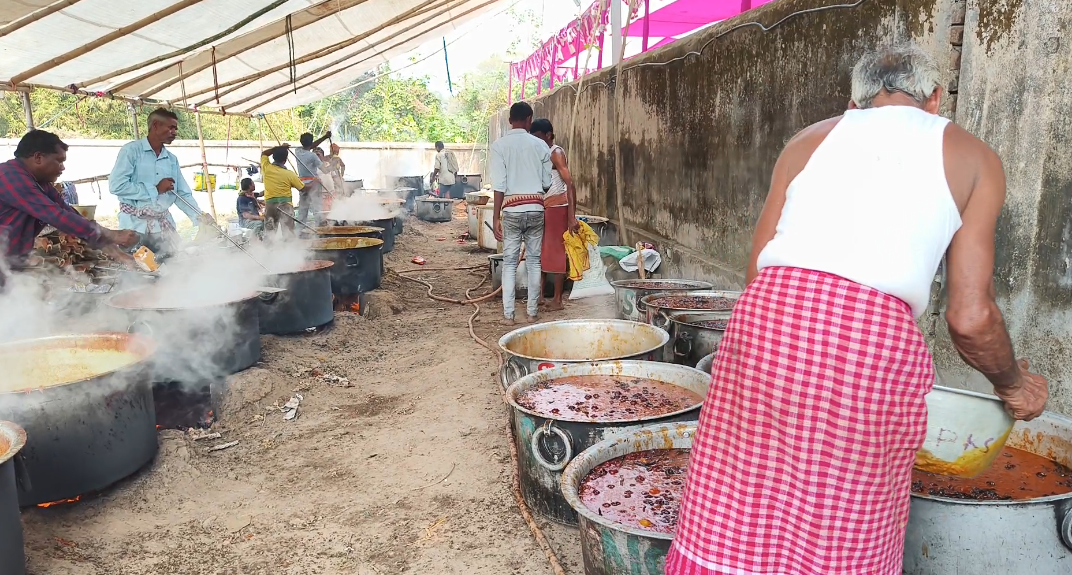
In the evening, the temple hosts the Harihata Mahotsav, where 108 dedicated Brahmins participate in religious ceremonies. Continuous Naam Sankirtan fills the temple premises with spiritual energy.
“During the sankirtan, the entire temple atmosphere turns deeply spiritual. Devotees say they feel a strong divine presence,” the priest notes.
Aul Turns Festive as Devotees Arrive
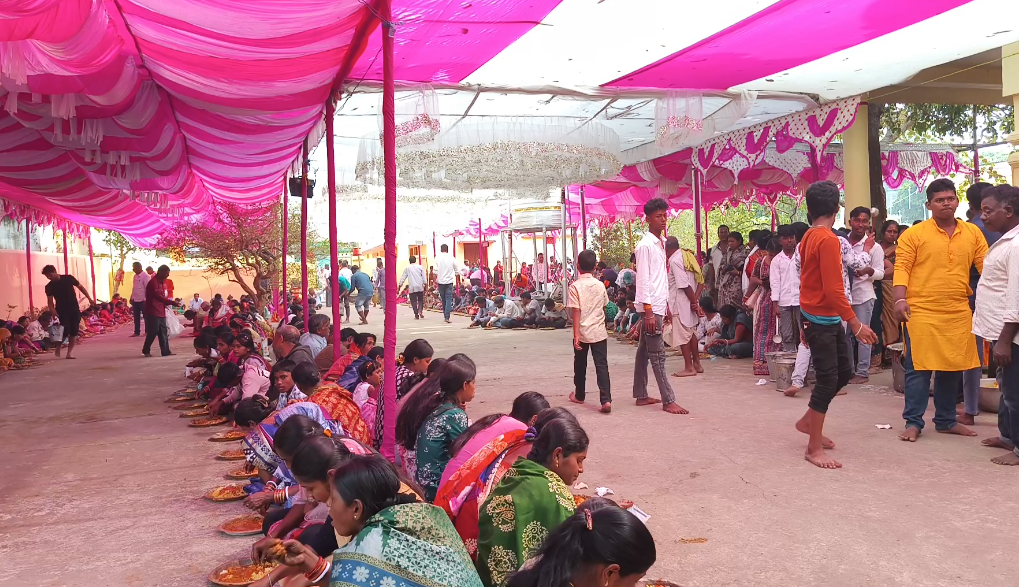
As the presiding deity of Aul, Lord Lakshmi Varaha Jew holds a central place in the lives of locals. On Baraha Dwadashi, devotees from Jajpur, Cuttack, Kendrapara, Bhubaneswar and Chandbali throng the temple, turning the region into a festive congregation of faith.
Also Read: Bhaimi Ekadashi Marks Beginning of Devarkund Mela in Bhadrak; Here's The Ramayana Legend Behind Sacred Site
“Devotees believe that prayers offered on this day are fulfilled. That belief brings people here year after year,” says Das.
He adds, “That day is observed as the birth day of Lord Lakshmi Varaha Jew. Since then, Baraha Dwadashi has been celebrated here with great devotion.”
Rituals of Baraha Dwadashi
On Baraha Dwadashi, rituals begin early in the morning with the opening of the shrine, followed by Mangala Alati and the ceremonial bathing of the deity.
“All rituals are performed strictly according to age-old traditions handed down through generations,”
says priest Sushant Kumar Das.
'Harihata Mahotsav' and Spiritual Atmosphere
In the evening, the temple hosts the Harihata Mahotsav, where 108 dedicated Brahmins participate in religious ceremonies. Continuous Naam Sankirtan fills the temple premises with spiritual energy.
“During the sankirtan, the entire temple atmosphere turns deeply spiritual. Devotees say they feel a strong divine presence,” the priest notes.
Aul Turns Festive as Devotees Arrive
As the presiding deity of Aul, Lord Lakshmi Varaha Jew holds a central place in the lives of locals. On Baraha Dwadashi, devotees from Jajpur, Cuttack, Kendrapara, Bhubaneswar and Chandbali throng the temple, turning the region into a festive congregation of faith.
Also Read: Bhaimi Ekadashi Marks Beginning of Devarkund Mela in Bhadrak; Here's The Ramayana Legend Behind Sacred Site
“Devotees believe that prayers offered on this day are fulfilled. That belief brings people here year after year,” says Das.
Related Topics
Explore more stories