



Human and Wildlife Conflict / Crocodiles And Communities: Odisha Must Find A Safer Balance
Key Points
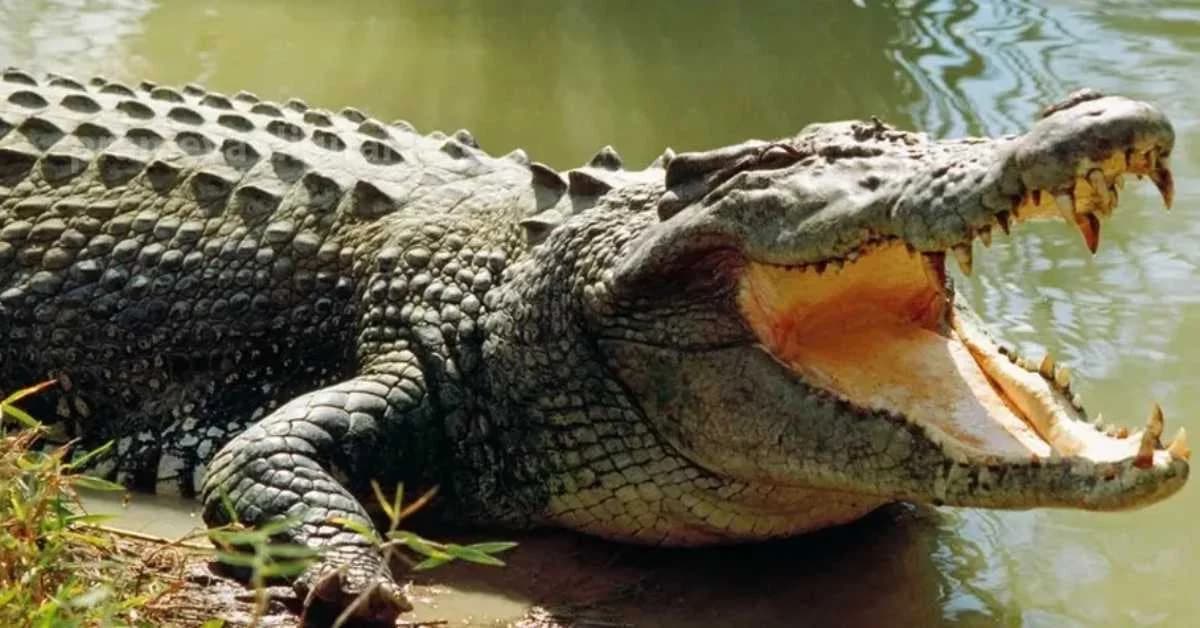
Bhubaneswar: The rising number of crocodile attacks in Kendrapara has exposed a difficult contradiction at the heart of Odisha’s conservation success. The recovery of the saltwater crocodile population in and around Bhitarkanika is undoubtedly a remarkable achievement. But conservation cannot be considered complete if communities living alongside the sanctuary are increasingly paying the price for it.
With 31 people reportedly killed and more than 70 injured in crocodile attacks in Kendrapara since 2020, the issue can no longer be treated as a series of isolated incidents. The latest attacks in Hansua and other rivers have once again highlighted the vulnerability of people who depend on water bodies for bathing, fishing, washing clothes and other essential activities.
The government must move beyond advisories and compensation and adopt a preventive, scientific and community-centred strategy.
First, the forest and fisheries departments, along with the district administration, should conduct a comprehensive mapping of crocodile hotspots. Frequently used bathing ghats, fishing points, canals and river stretches where attacks or crocodile sightings are recurrent should be classified as high-risk zones. Such locations must receive priority for intervention.

📱 Get Argus News App
✨Second, permanent protective fencing and barricades should be installed at vulnerable bathing ghats. These need not obstruct the natural movement of crocodiles; rather, they should be designed to prevent the reptiles from entering designated human-use areas. Warning boards and adequate lighting should supplement the physical barriers.
Third, the government should consider developing crocodile-safe community bathing ghats at strategic locations. Where feasible, raised platforms, enclosed access points and controlled entry into the water could significantly reduce encounters without disturbing crocodile habitats.
Technology can also become an important ally. Crocodile sightings should be reported through a real-time alert system, possibly using a mobile application, WhatsApp-based mechanism or village-level warning network. Forest personnel and trained local volunteers could monitor vulnerable stretches and promptly alert residents when crocodiles are spotted.
The authorities should also strengthen rapid-response teams equipped to rescue or drive away crocodiles that stray into densely populated areas. Compensation procedures must be simplified and expedited, but compensation should remain a safety net—not the principal response.
Equally important is community participation. Villagers,
fishermen, schoolchildren and local youth should receive regular awareness and
safety training, including instructions on what to do when a crocodile is
sighted. Local communities should be treated as partners in conservation rather
than merely recipients of official warnings.
Also Read: Bhitarkanika National Park Records 1,858 Estuarine Crocodiles
Finally, the government should establish a Kendrapara Human-Wildlife Conflict Task Force involving forest officials, district authorities, researchers and community representatives. It should review attack patterns, assess the effectiveness of mitigation measures and publish periodic safety audits.
Bhitarkanika’s crocodile conservation story deserves to be protected. But so do the people who live around it. The objective should not be to choose between crocodiles and communities. It should be to create a system in which wildlife can thrive without turning human settlements into danger zones. That is the real test of successful conservation.
Related Topics
Explore more stories