



Odia Cinema / 90 Years of Odia Cinema Strengthening the Screen, Saving the First Hall
·5 months ago·3 min read
Key Points
Odia cinema turns 90 this year, but the birthplace of its first film Sita Bibaha—Laxmi Talkies in Puri—now stands deserted, symbolising both the proud legacy and the neglected state of Odisha’s film heritage.
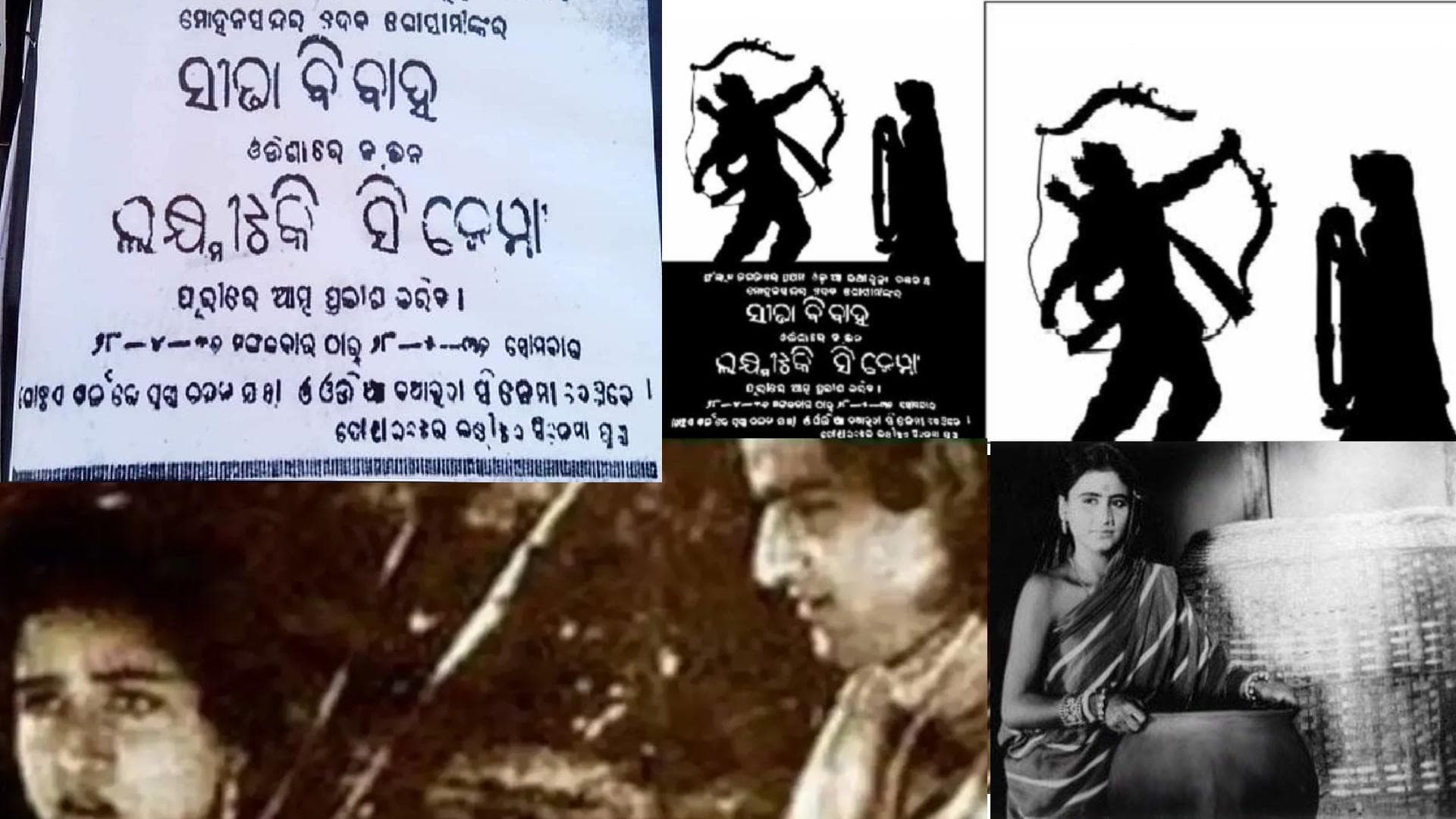
Puri, Apr 28: As Odia cinema celebrates 90 years since the release of its first feature film Sita Bibaha, the spotlight has turned to Puri’s historic Laxmi Talkies—the hall where the journey began. Today, the once‑vibrant theatre lies abandoned, a ghostly reminder of the industry’s glorious past and its struggles to survive.
Directed and produced by Mohan Sundar Deb Goswami, Sita Bibaha was a mythological film based on the Ramayana, depicting the marriage of Lord Rama and Sita. Released on April 28, 1936, just weeks after Odisha was carved out as a separate province, the film was screened at Laxmi Talkies in Puri. Made on a modest budget of around Rs 30,000, it laid the foundation for Odia cinema, giving Odias their first taste of films in their own language.
Also Read: Odia Cinema Turns 90: From Sita Bibaha to Digital Revival
Yet, the decline of cinema halls in Odisha, particularly in Puri, tells a different story. Modernisation and changing entertainment habits led to the closure of five theatres in the holy town, including Laxmi Talkies. The hall that once echoed with laughter, tears, and applause now stands in ruins, its legacy fading with time.
Film historians and cultural activists lament the neglect, pointing out that the birthplace of Odia cinema deserves preservation as a heritage site. They argue that while Odia cinema is showing signs of revival through films like Hello Arsi and Kalira Atita, which have gained recognition at national and international festivals, the physical spaces that nurtured the industry are vanishing.
On the 90th anniversary, film bodies and enthusiasts across Odisha commemorated the milestone with screenings and tributes. But the silence at Laxmi Talkies serves as a stark reminder: the journey of Odia cinema is not just about artistic triumphs, but also about the urgent need to protect its cultural roots.
Directed and produced by Mohan Sundar Deb Goswami, Sita Bibaha was a mythological film based on the Ramayana, depicting the marriage of Lord Rama and Sita. Released on April 28, 1936, just weeks after Odisha was carved out as a separate province, the film was screened at Laxmi Talkies in Puri. Made on a modest budget of around Rs 30,000, it laid the foundation for Odia cinema, giving Odias their first taste of films in their own language.
Over the decades, Odia cinema evolved from mythological and devotional themes to socially conscious narratives. The 1970s and 1980s are widely regarded as its golden era, with films like Shesha Shrabana and Maya Miriga tackling rural life, family dynamics, and cultural identity. Legendary actors such as Prashanta Nanda, Uttam Mohanty, and Bijay Mohanty became household names, and Odia films resonated across India with their storytelling and music.'ଲକ୍ଷ୍ମୀ ଟକିଜ୍'ପାଲଟିଛି ଭୂତ କୋଠି। ପ୍ରଥମ ଓଡ଼ିଆ ସିନେମା 'ସୀତା ବିବାହ' ଚାଲିଥିଲା ପୁରୀର ଏହି 'ଲକ୍ଷ୍ମୀ ଟକିଜ୍ରେ' I ଅଥଚ ଯେଉଁ ମାଟି ଓଡ଼ିଆ ସିନେମାର ସ୍ବାଦ ଚଖାଇଲା, ସେ ମାଟିରେ ସିନେମା ହଲ୍ଟିଏ ଆଜି ଦୁଃସ୍ବପ୍ନ।#Odisha #Puri #CinemaHall #LaxmiTalkies #ArgusNews pic.twitter.com/OnNPCkgCbO
— Argus News (@ArgusNews_in) April 28, 2026
Also Read: Odia Cinema Turns 90: From Sita Bibaha to Digital Revival
Yet, the decline of cinema halls in Odisha, particularly in Puri, tells a different story. Modernisation and changing entertainment habits led to the closure of five theatres in the holy town, including Laxmi Talkies. The hall that once echoed with laughter, tears, and applause now stands in ruins, its legacy fading with time.
Film historians and cultural activists lament the neglect, pointing out that the birthplace of Odia cinema deserves preservation as a heritage site. They argue that while Odia cinema is showing signs of revival through films like Hello Arsi and Kalira Atita, which have gained recognition at national and international festivals, the physical spaces that nurtured the industry are vanishing.
On the 90th anniversary, film bodies and enthusiasts across Odisha commemorated the milestone with screenings and tributes. But the silence at Laxmi Talkies serves as a stark reminder: the journey of Odia cinema is not just about artistic triumphs, but also about the urgent need to protect its cultural roots.

📱 Get Argus News App
✨📰 60 Word News🎬 Argus Podcast📺 Live TV and Breaking News🔔 Free Notification Alerts
Download Free:
Related Topics
Explore more stories