



Higher Education / Supreme Court Stays UGC's 2026 Equity Regulations, Cites Risk of Misuse
·8 months ago·3 min read
Key Points
- The Supreme Court stayed the UGC's 2026 equity regulations, citing ambiguities and the risk of misuse, and ordered the 2012 regulations to remain in force.
- The court raised concerns over the definition of caste-based discrimination and the omission of ragging as a specified form of discrimination.
- Petitioners argued the regulations exclude general categories from remedies; the matter will be heard next on March 19.
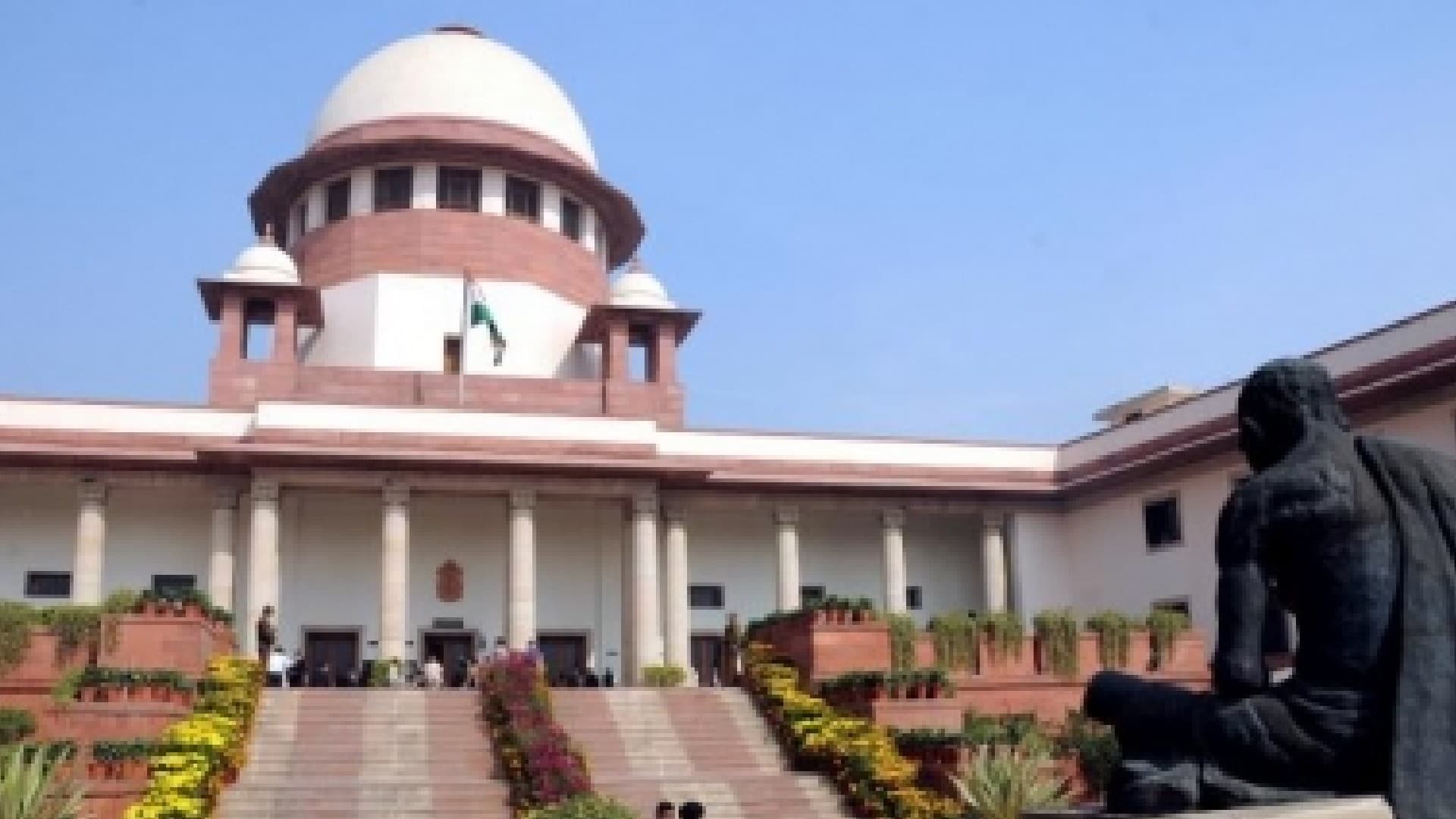
New Delhi, Jan 29: The Supreme Court stayed the University Grants Commission’s 2026 equity regulations in an interim order Thursday, stating the “possibility of misuse cannot be ruled out.” The court directed that the earlier 2012 regulations remain in effect until further notice.
Issuing notice to the Centre and the UGC on a clutch of writ petitions challenging the validity of the 2026 Regulations, particularly Clause 3(c), which defines "caste-based discrimination", a bench of Chief Justice of India (CJI) Surya Kant and Justice Joymalya Bagchi ordered that the new regulations be kept in abeyance.
Recording a prima facie view, the apex court said that "some of the provisions of the Impugned Regulations suffer from certain ambiguities, and the possibility of their misuse cannot be ruled out".
During the hearing, the petitioners contended that the definition of caste-based discrimination under the 2026 Regulations is "restrictive and exclusionary", as it renders individuals belonging to general categories “completely remedyless” even if they are subjected to caste-based discrimination or institutional bias within higher education institutions.
Issuing notice to the Centre and the UGC on a clutch of writ petitions challenging the validity of the 2026 Regulations, particularly Clause 3(c), which defines "caste-based discrimination", a bench of Chief Justice of India (CJI) Surya Kant and Justice Joymalya Bagchi ordered that the new regulations be kept in abeyance.
Recording a prima facie view, the apex court said that "some of the provisions of the Impugned Regulations suffer from certain ambiguities, and the possibility of their misuse cannot be ruled out".
During the hearing, the petitioners contended that the definition of caste-based discrimination under the 2026 Regulations is "restrictive and exclusionary", as it renders individuals belonging to general categories “completely remedyless” even if they are subjected to caste-based discrimination or institutional bias within higher education institutions.

📱 Get Argus News App
✨📰 60 Word News🎬 Argus Podcast📺 Live TV and Breaking News🔔 Free Notification Alerts
Download Free:
In its interim order, the CJI Kant-led noted the petitioners’ submission that "the Impugned Regulations proceed on an unfounded presumption that caste-based discrimination is necessarily unidirectional and can never operate against persons belonging to non-reserved or general categories".
Framing substantial questions of law for consideration, the Supreme Court said it would examine, among other issues, whether the incorporation of Clause 3(c) bears a "reasonable and rational nexus" with the object of the 2026 Regulations, especially when no separate procedural mechanism has been prescribed for addressing caste-based discrimination, unlike the broader definition of "discrimination" under Clause 3(e).
The apex court also flagged concerns over the inclusion of the term "segregation" in Clause 7(d), observing that allocation of hostels, classrooms or mentorship groups, even on transparent criteria, may raise questions of a "separate yet equal" classification, potentially infringing the constitutional guarantees of equality and fraternity under Articles 14 and 15 of the Constitution.
Another issue identified for detailed examination was the omission of "ragging" as a specific form of discrimination under the 2026 framework, despite its express inclusion in the 2012 Regulations.
The CJI-led Bench observed that such an omission may amount to a "regressive and exclusionary legislative omission", possibly violating Articles 14 and 21 of the Constitution by creating an asymmetry in access to justice.
"Meanwhile, the University Grants Commission (Promotion of Equity in Higher Education Institutions) Regulations, 2026, are directed to be kept in abeyance," the Supreme Court ordered, adding that "in exercise of our powers under Article 142 of the Constitution, the University Grants Commission (Promotion of Equity in Higher Education Institutions) Regulations, 2012, will continue to operate and remain in force till further orders".
Also Read: Police Personnel Can Now Take Leave on Birthdays and Anniversaries
Framing substantial questions of law for consideration, the Supreme Court said it would examine, among other issues, whether the incorporation of Clause 3(c) bears a "reasonable and rational nexus" with the object of the 2026 Regulations, especially when no separate procedural mechanism has been prescribed for addressing caste-based discrimination, unlike the broader definition of "discrimination" under Clause 3(e).
The apex court also flagged concerns over the inclusion of the term "segregation" in Clause 7(d), observing that allocation of hostels, classrooms or mentorship groups, even on transparent criteria, may raise questions of a "separate yet equal" classification, potentially infringing the constitutional guarantees of equality and fraternity under Articles 14 and 15 of the Constitution.
Another issue identified for detailed examination was the omission of "ragging" as a specific form of discrimination under the 2026 framework, despite its express inclusion in the 2012 Regulations.
The CJI-led Bench observed that such an omission may amount to a "regressive and exclusionary legislative omission", possibly violating Articles 14 and 21 of the Constitution by creating an asymmetry in access to justice.
"Meanwhile, the University Grants Commission (Promotion of Equity in Higher Education Institutions) Regulations, 2026, are directed to be kept in abeyance," the Supreme Court ordered, adding that "in exercise of our powers under Article 142 of the Constitution, the University Grants Commission (Promotion of Equity in Higher Education Institutions) Regulations, 2012, will continue to operate and remain in force till further orders".
Also Read: Police Personnel Can Now Take Leave on Birthdays and Anniversaries
The matter has been listed for further hearing on March 19.
(IANS)
(IANS)
Related Topics
Explore more stories