



Court Verdict / Supreme Court Saves Widow’s Home! Here’s What Happened
Key Points
- Supreme Court invokes Article 142 to grant relief to Covid widow in loan dispute.
- Widow allowed to settle dues at ₹33 lakh, bank directed to release property deeds.
- Court clarifies order is case-specific and not a precedent against the bank.
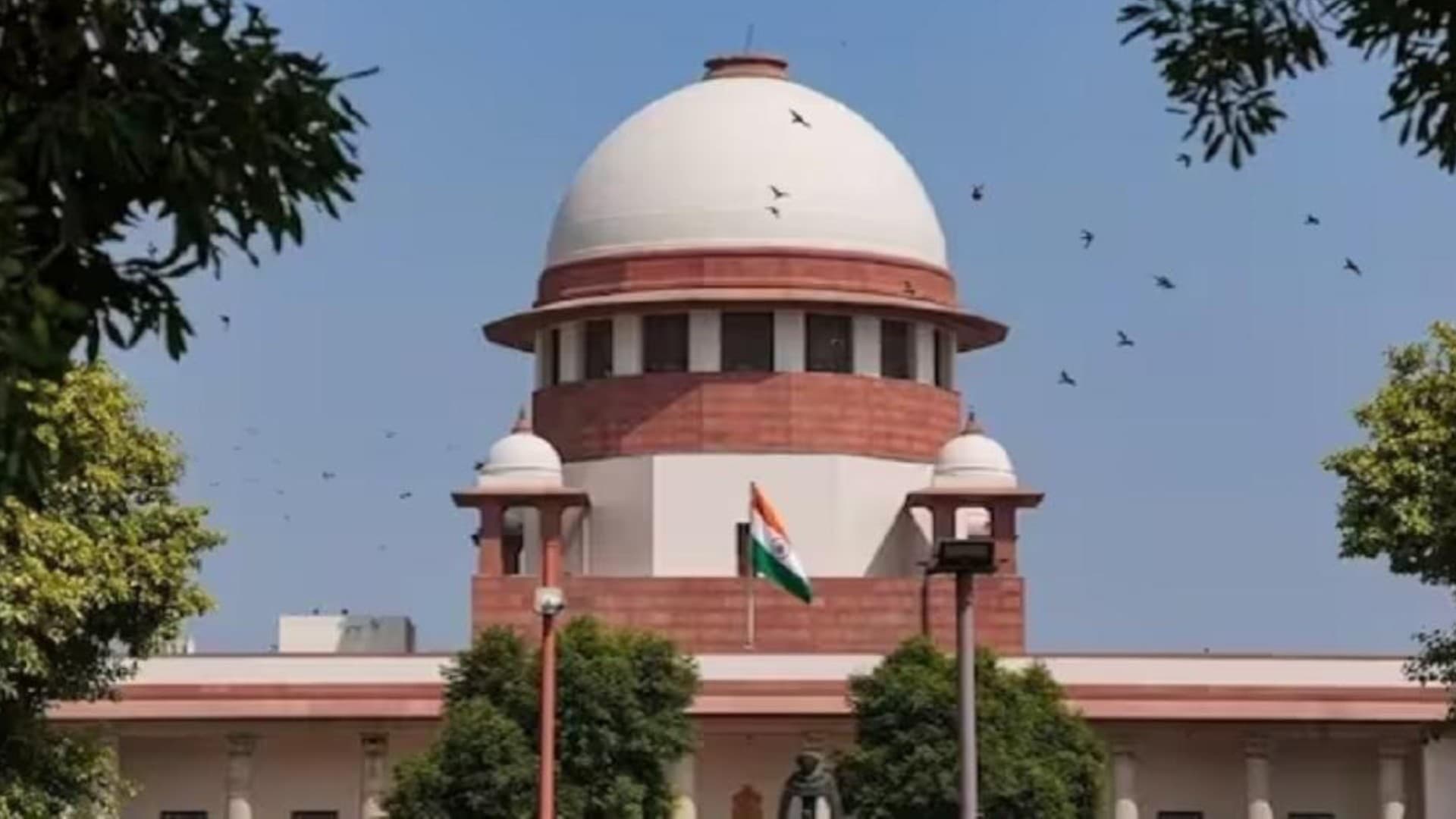
New Delhi, Jan 27: In an extraordinary exercise of its powers under Article 142 of the Constitution, aimed at doing "complete justice", the Supreme Court has granted relief to a widow who lost her husband during the second wave of Covid-19 by permitting her to settle a bank loan on relaxed terms and directed the Central Bank of India to release the title deeds of her residential property upon payment of a reduced amount.
A bench of Chief Justice of India (CJI) Surya Kant and Justice Joymalya Bagchi allowed the special leave petitions (SLPs) filed by Sumaiya Parveen, who had challenged the Madras High Court’s refusal to revive an expired one-time settlement (OTS) offer in respect of a loan availed by her deceased husband.

📱 Get Argus News App
✨Noting the "unusual and unfortunate circumstances"
of the case, the CJI-led Bench said it was passing the order "purely on
equitable considerations and by invoking our powers under Article 142 of the
Constitution".
Also read: Bhadrak Couple Attacked by Neighbours over Land Dispute
In its decision, the apex court noted that the petitioner’s husband, proprietor of FILSA Leathers, had availed credit facilities of Rs 50 lakh from the Central Bank of India after mortgaging their residential house in Vellore district as security. He passed away in May 2021, during the second wave of the Covid-19 pandemic, and till then, the loan account was regular.
"The death of the appellant’s husband brought further miseries as the subject account was classified as NPA and proceedings under the Securitisation and Reconstruction of Financial Assets and Enforcement of Security Interest Act, 2002 were initiated," the bench noted.
The bank had offered an OTS of Rs 34.69 lakh against outstanding dues of about Rs 71 lakh as on January 2024. The deceased’s wife deposited the upfront 10 per cent amount of Rs 3.46 lakh but could not pay the balance within the stipulated time.
Subsequently, the bank demanded a higher amount and issued a possession notice under the SARFAESI Act, prompting her to approach the Madras High Court, which dismissed her plea.
While observing that the bank’s demand was "legally sustainable", the Supreme Court observed that strict compliance would cause "extreme hardship" to the petitioner.
"Though the demand raised by the Bank is legally sustainable, we find that compliance thereof would lead to extreme hardship for the appellant," the CJI-led Bench said.
Balancing equities, the top court directed that the ends of justice would be met if the petitioner deposits Rs 33 lakh over and above the upfront amount already paid.
"The appellant is granted eight weeks’ time to deposit the amount of Rs.33,00,000 upon which further interest shall remain frozen. In case the appellant deposits the amount of Rs.33,00,000 within eight weeks from today, the Bank is directed to issue a no-dues certificate and release the original title deeds in favour of the appellant," the order said.
However, the apex court made it clear that if the amount is not deposited within the stipulated period, "the law will take its own course".
Observing that the relief was confined to the peculiar facts of the case, it added that the order "shall not be construed as a precedent to be relied upon against the respondent-Bank".
(IANS)
Related Topics
Explore more stories