



Indian Politics / Rajya Sabha Polls Begin for 37 Seats Across 10 States
·6 months ago·2 min read
Key Points
Polling commenced at 9 AM and will continue until 4 PM, with counting scheduled to begin at 5 PM.
The elections come as the terms of several sitting members are set to expire in April, opening the door for new entrants and seasoned leaders alike.
The elections come as the terms of several sitting members are set to expire in April, opening the door for new entrants and seasoned leaders alike.
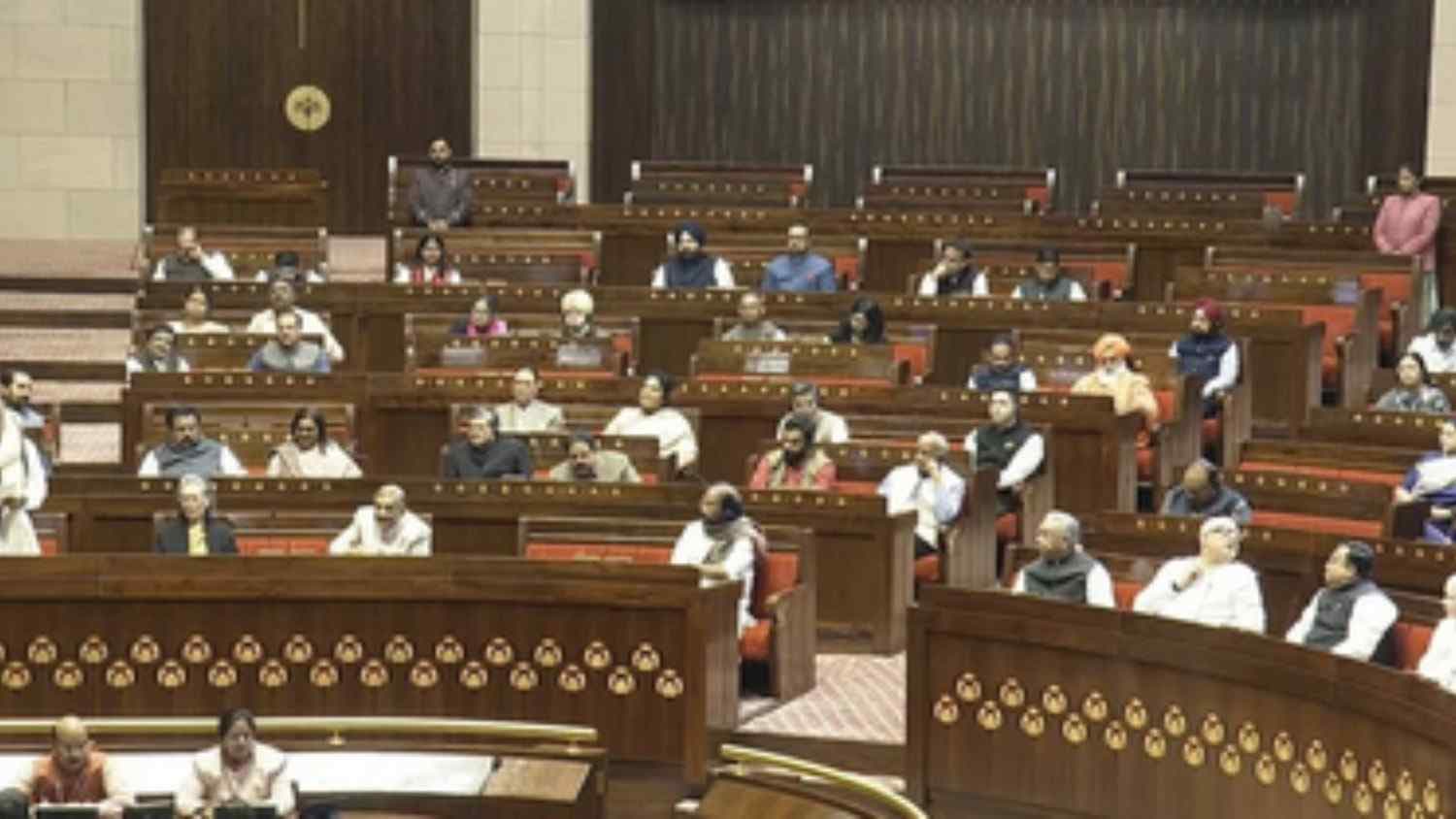
New Delhi, Mar 16: Voting for 37 Rajya Sabha seats across 10 states began today, marking a crucial electoral exercise that will reshape the composition of the Upper House.
Polling commenced at 9 AM and will continue until 4 PM, with counting scheduled to begin at 5 PM.
The elections come as the terms of several sitting members are set to expire in April, opening the door for new entrants and seasoned leaders alike.
State-Wise Breakdown
The largest contests are unfolding in Maharashtra (7 seats) and Tamil Nadu (6 seats), while West Bengal and Bihar each have 5 seats at stake. Other states in the fray include Odisha (4), Assam (3), Chhattisgarh (2), Haryana (2), Telangana (2), and Himachal Pradesh (1).
Polling commenced at 9 AM and will continue until 4 PM, with counting scheduled to begin at 5 PM.
The elections come as the terms of several sitting members are set to expire in April, opening the door for new entrants and seasoned leaders alike.
State-Wise Breakdown
The largest contests are unfolding in Maharashtra (7 seats) and Tamil Nadu (6 seats), while West Bengal and Bihar each have 5 seats at stake. Other states in the fray include Odisha (4), Assam (3), Chhattisgarh (2), Haryana (2), Telangana (2), and Himachal Pradesh (1).

📱 Get Argus News App
✨📰 60 Word News🎬 Argus Podcast📺 Live TV and Breaking News🔔 Free Notification Alerts
Download Free:
Political Stakes
The BJP-led NDA is expected to consolidate its strength in the Rajya Sabha, particularly in states like Bihar, Maharashtra, and Assam. Opposition parties, however, are eyeing gains in West Bengal, Odisha, and Telangana, where contests are expected to be closely fought. Interestingly, 26 candidates across various states are likely to be elected unopposed, reducing the number of high-stakes battles.
Key Leaders in the Spotlight
Among the prominent figures contesting are former Bihar Chief Minister Nitish Kumar, who is seeking a Rajya Sabha berth after decades in state politics, and veteran leader Sharad Pawar from Maharashtra. Their entry is expected to add weight to the proceedings in the Upper House.
Also Read: Congress Dissent, BJD Unrest as Rajya Sabha Election Heats Up in Odisha
What Lies Ahead
Results will be declared later tonight, setting the tone for the Rajya Sabha’s composition until 2032 for these seats. The outcome will play a pivotal role in shaping legislative debates and government strategies in the coming years.
Unlike the Lok Sabha, which is elected for a five-year term and can be dissolved, the Rajya Sabha is a permanent house and continues to function without interruption. Members of the Upper House serve a six-year term, with one-third of the members retiring every two years. Elections are held to fill these vacancies, ensuring continuity and experience in the House.
The BJP-led NDA is expected to consolidate its strength in the Rajya Sabha, particularly in states like Bihar, Maharashtra, and Assam. Opposition parties, however, are eyeing gains in West Bengal, Odisha, and Telangana, where contests are expected to be closely fought. Interestingly, 26 candidates across various states are likely to be elected unopposed, reducing the number of high-stakes battles.
Key Leaders in the Spotlight
Among the prominent figures contesting are former Bihar Chief Minister Nitish Kumar, who is seeking a Rajya Sabha berth after decades in state politics, and veteran leader Sharad Pawar from Maharashtra. Their entry is expected to add weight to the proceedings in the Upper House.
Also Read: Congress Dissent, BJD Unrest as Rajya Sabha Election Heats Up in Odisha
What Lies Ahead
Results will be declared later tonight, setting the tone for the Rajya Sabha’s composition until 2032 for these seats. The outcome will play a pivotal role in shaping legislative debates and government strategies in the coming years.
Unlike the Lok Sabha, which is elected for a five-year term and can be dissolved, the Rajya Sabha is a permanent house and continues to function without interruption. Members of the Upper House serve a six-year term, with one-third of the members retiring every two years. Elections are held to fill these vacancies, ensuring continuity and experience in the House.
Related Topics
Explore more stories