



Women Empowerment / India’s Female Labour Force Participation Jumps to 40% in 7 Years: Mandaviya
·5 months ago·2 min read
Key Points
India’s female labour force participation has surged from 23.3% in 2017–18 to 40% in 2025, Labour Minister Mansukh Mandaviya announced, citing transformative reforms and growing opportunities for women.
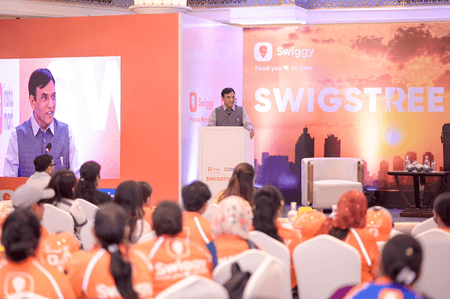
New Delhi, Apr 28: Labour Minister Mansukh Mandaviya has announced a remarkable rise in India’s female labour force participation rate, which has jumped from 23.3 per cent in 2017–18 to 40 per cent in 2025. Speaking at an event organised by a well known food delivery platform, the minister described the surge as a reflection of women’s growing empowerment and the nation’s commitment to inclusive growth.
Mandaviya emphasised that equitable participation of women in the workforce is both a social imperative and an economic necessity. “Under the leadership of Prime Minister Narendra Modi, India has witnessed new opportunities opening up for women, leading to a transformative improvement in female employment indicators,” he said.
The Female Worker Population Ratio (FWPR) has also risen significantly, from 22 per cent to nearly 39 per cent over the same period. Meanwhile, the Female Unemployment Rate (FUR) has declined from 5.6 per cent to 3.1 per cent, indicating that women seeking jobs are now more successfully finding employment. These figures, Mandaviya noted, highlight the impact of sustained policy action and reforms.
The minister pointed to the expansion of social security coverage, which has grown nearly three‑fold in the past decade - from 19 per cent in 2015 to over 64.3 per cent in 2025. This progress reflects reforms in labour laws, digital inclusion, and targeted welfare delivery. He also highlighted the four Labour Codes that came into effect last November, describing them as transformative in scope. For the first time, gig and platform workers - many of whom are women - have been formally recognised and granted access to social security.
Mandaviya emphasised that equitable participation of women in the workforce is both a social imperative and an economic necessity. “Under the leadership of Prime Minister Narendra Modi, India has witnessed new opportunities opening up for women, leading to a transformative improvement in female employment indicators,” he said.
The Female Worker Population Ratio (FWPR) has also risen significantly, from 22 per cent to nearly 39 per cent over the same period. Meanwhile, the Female Unemployment Rate (FUR) has declined from 5.6 per cent to 3.1 per cent, indicating that women seeking jobs are now more successfully finding employment. These figures, Mandaviya noted, highlight the impact of sustained policy action and reforms.
The minister pointed to the expansion of social security coverage, which has grown nearly three‑fold in the past decade - from 19 per cent in 2015 to over 64.3 per cent in 2025. This progress reflects reforms in labour laws, digital inclusion, and targeted welfare delivery. He also highlighted the four Labour Codes that came into effect last November, describing them as transformative in scope. For the first time, gig and platform workers - many of whom are women - have been formally recognised and granted access to social security.

📱 Get Argus News App
✨📰 60 Word News🎬 Argus Podcast📺 Live TV and Breaking News🔔 Free Notification Alerts
Download Free:
Also Read: Celebrating 'Vaibhavi': Karnataka Family Turns Birth of Girl into Symbol of Change
Mandaviya stressed that the principle of “equal pay for equal work” has been enshrined in the Codes, marking a landmark step toward eliminating wage discrimination. Provisions for work‑from‑home, maternity leave entitlements, and crèche facilities at workplaces have also been introduced, directly addressing structural barriers that have historically limited women’s participation in the workforce.
The minister concluded by reiterating that empowering women is central to building a “Viksit Bharat.” With rising participation rates, declining unemployment, and stronger social protections, India is witnessing a transformative shift in its labour landscape—one that places women at the heart of economic progress.
Mandaviya stressed that the principle of “equal pay for equal work” has been enshrined in the Codes, marking a landmark step toward eliminating wage discrimination. Provisions for work‑from‑home, maternity leave entitlements, and crèche facilities at workplaces have also been introduced, directly addressing structural barriers that have historically limited women’s participation in the workforce.
The minister concluded by reiterating that empowering women is central to building a “Viksit Bharat.” With rising participation rates, declining unemployment, and stronger social protections, India is witnessing a transformative shift in its labour landscape—one that places women at the heart of economic progress.
Related Topics
Explore more stories