



Energy Security / Govt Allows Kerosene Sale Through Petrol Pumps In 21 States Amid Global Energy Disruptions
·6 months ago·2 min read
Key Points
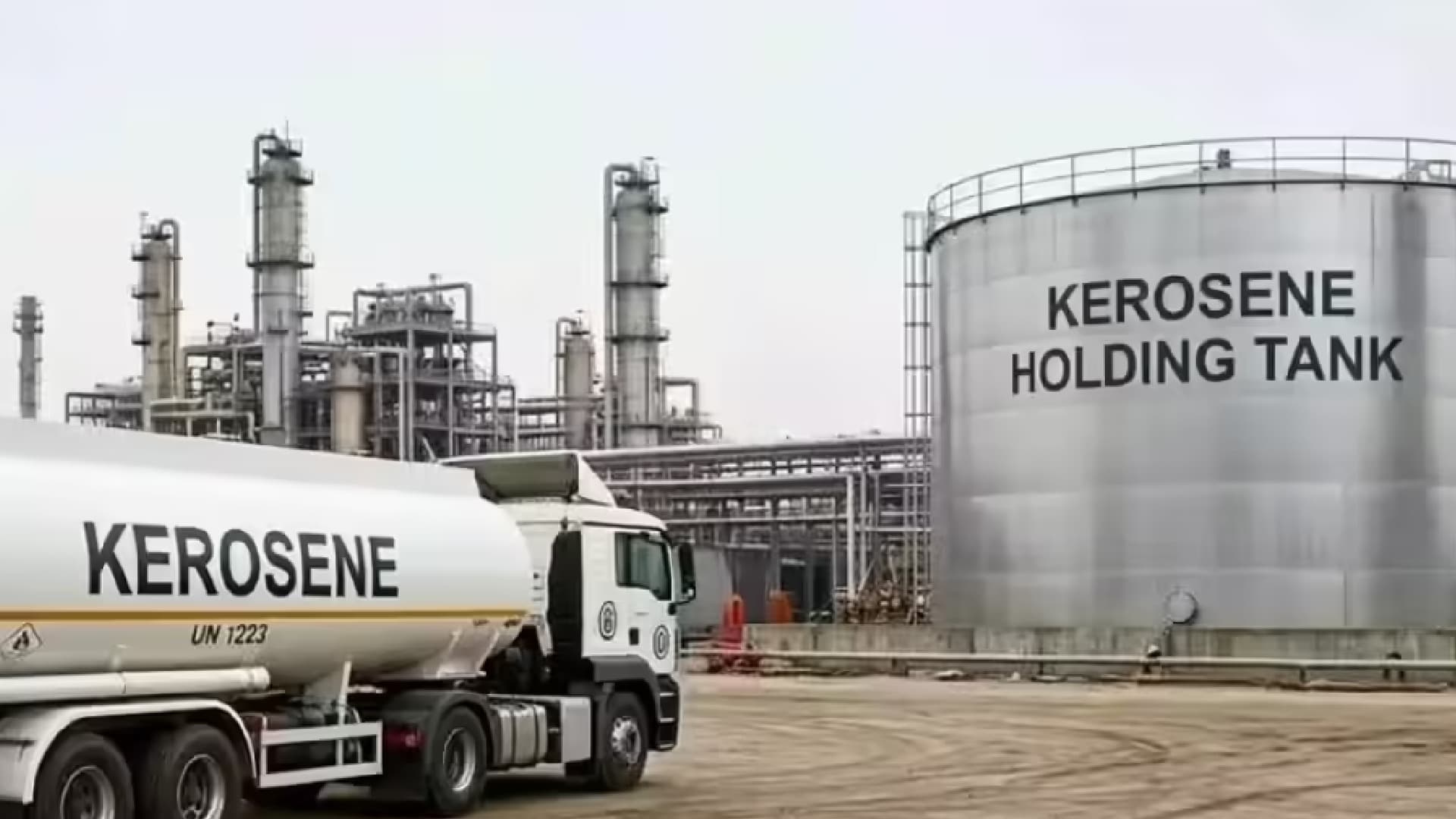
The Centre relaxed petroleum safety and licensing norms, allowing kerosene sale through select petrol pumps across 21 states and UTs for 60 days.
New Delhi, Mar 30: The Centre relaxed petroleum safety and licensing norms to expand the availability of kerosene, allowing its sale through select petrol pumps for a limited period, according to a Gazette notification issued by the Ministry of Petroleum and Natural Gas.
Under the revised norms, public sector oil marketing companies were permitted to allocate Public Distribution System (PDS) superior kerosene oil (SKO) across 21 states and Union Territories, including Delhi, Haryana, Uttar Pradesh and Gujarat, where supply had earlier been phased out.
Designated fuel stations will now be allowed to store and dispense kerosene for household use such as cooking and lighting. Each outlet can stock up to 5,000 litres, with a maximum of two such petrol pumps identified per district by state governments and UT administrations.
Also Read: Bengali Actor Rahul Arunoday Banerjee Dies After Drowning At Odisha's Talsari Beach
The notification grants exemptions from certain provisions of the Petroleum Rules, 2002, easing licensing requirements for dealers and transporters. The move is aimed at expediting storage, transportation and last-mile delivery amid global energy disruptions.
Under the revised norms, public sector oil marketing companies were permitted to allocate Public Distribution System (PDS) superior kerosene oil (SKO) across 21 states and Union Territories, including Delhi, Haryana, Uttar Pradesh and Gujarat, where supply had earlier been phased out.
Designated fuel stations will now be allowed to store and dispense kerosene for household use such as cooking and lighting. Each outlet can stock up to 5,000 litres, with a maximum of two such petrol pumps identified per district by state governments and UT administrations.
Also Read: Bengali Actor Rahul Arunoday Banerjee Dies After Drowning At Odisha's Talsari Beach
The notification grants exemptions from certain provisions of the Petroleum Rules, 2002, easing licensing requirements for dealers and transporters. The move is aimed at expediting storage, transportation and last-mile delivery amid global energy disruptions.

📱 Get Argus News App
✨📰 60 Word News🎬 Argus Podcast📺 Live TV and Breaking News🔔 Free Notification Alerts
Download Free:
Officials said the decision has been taken in view of the ongoing geopolitical crisis impacting fuel availability, with the government seeking to ensure uninterrupted access to essential energy sources. Safety and operational guidelines issued by the Petroleum and Explosives Safety Organisation will continue to apply.
The relaxations came into immediate effect and will remain valid for 60 days or until further orders.
Govt Reviews Energy Risks
Meanwhile, Defence Minister Rajnath Singh chaired the first meeting of the Informal Group of Ministers (IGoM) to assess the impact of the evolving West Asia crisis on energy supplies and supply chains.
The meeting, attended by senior ministers including Nirmala Sitharaman and Hardeep Singh Puri, reviewed risks related to fuel availability, essential commodities and infrastructure resilience.
Singh stressed the need for proactive planning, coordinated response and faster decision-making to tackle emerging challenges amid global uncertainty.
The relaxations came into immediate effect and will remain valid for 60 days or until further orders.
Govt Reviews Energy Risks
Meanwhile, Defence Minister Rajnath Singh chaired the first meeting of the Informal Group of Ministers (IGoM) to assess the impact of the evolving West Asia crisis on energy supplies and supply chains.
The meeting, attended by senior ministers including Nirmala Sitharaman and Hardeep Singh Puri, reviewed risks related to fuel availability, essential commodities and infrastructure resilience.
Singh stressed the need for proactive planning, coordinated response and faster decision-making to tackle emerging challenges amid global uncertainty.
Related Topics
Explore more stories