



Mango Varieties / Your Favourite Mango Isn't Random; Here's What It Reveals About You
·2 months ago·5 min read

Key Points
India is home to over 1,500 documented mango varieties, including 12 with Geographical Indication tags, from Alphonso to Amrapali.
Bhubaneswar, Jul 5: As India battles blistering afternoons, inglorious downpours (given the urban infra) and humidity that seems determined to ruin every good hair day, there's one seasonal truce everyone happily signs.
Mangoes.
For a few glorious weeks, family feuds over politics are replaced by debates over a far more important question: 'Which mango is the best?' And while taste buds make the final choice, perhaps our personalities play a role too.
Also Read: From Srimandir to Streets, 'Pakhala' Takes Centre Stage as Odisha Celebrates Its Coolest Dish
Mangoes.
For a few glorious weeks, family feuds over politics are replaced by debates over a far more important question: 'Which mango is the best?' And while taste buds make the final choice, perhaps our personalities play a role too.
Also Read: From Srimandir to Streets, 'Pakhala' Takes Centre Stage as Odisha Celebrates Its Coolest Dish

📱 Get Argus News App
✨📰 60 Word News🎬 Argus Podcast📺 Live TV and Breaking News🔔 Free Notification Alerts
Download Free:
No, this is not psychology. It is a playful look at India's beloved mangoes and the kind of people who proudly swear by them.
Alphonso (Ratnagiri & Devgad, Maharashtra) -- The Sophisticate
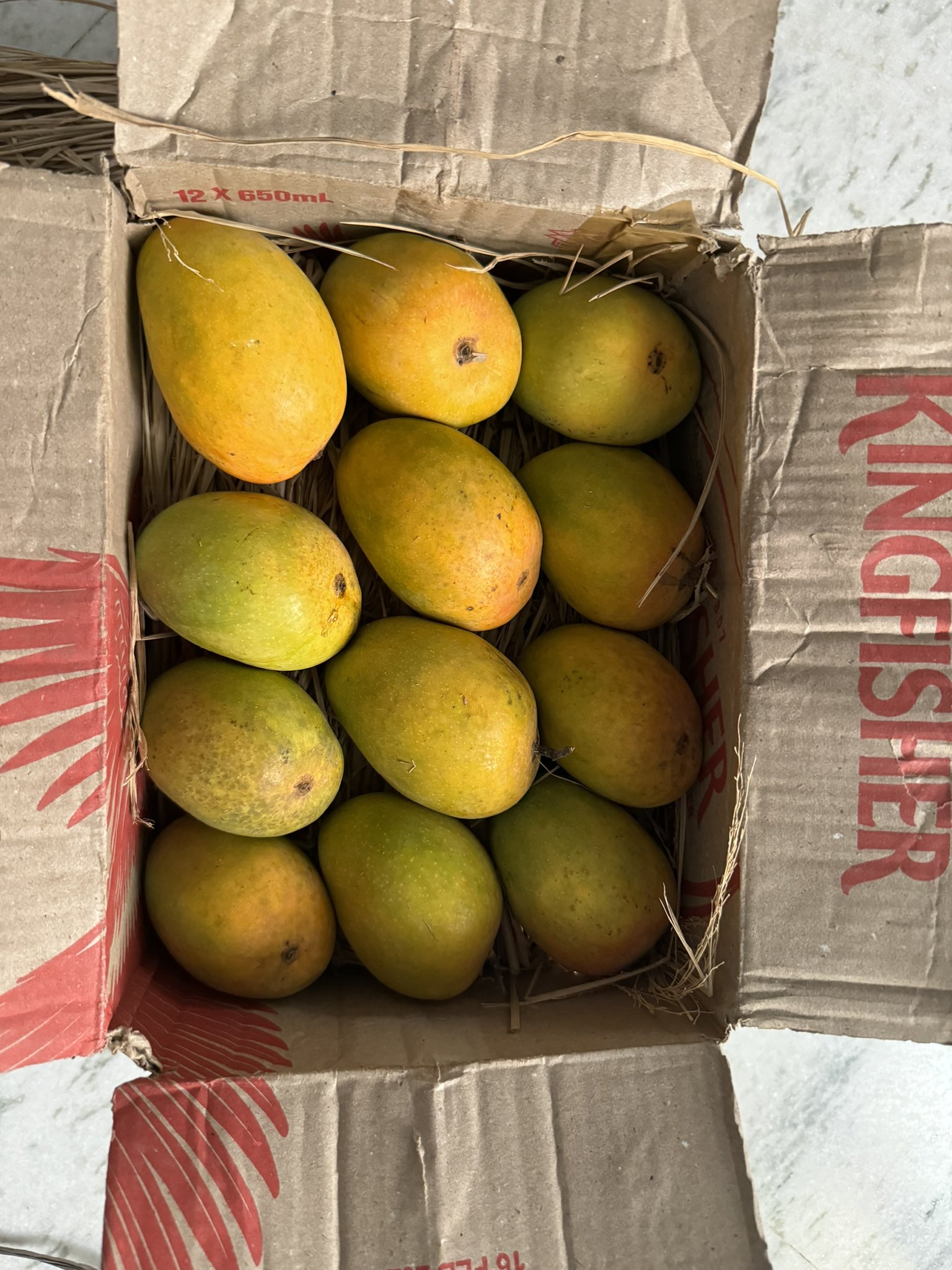
Named after Afonso de Albuquerque, a 15th-century Portuguese general and viceroy. While establishing Portuguese colonies in India, he introduced new varieties of fruits and vegetables. It is India's celebrated "King of Mangoes" and a GI-tagged variety; Alphonso lovers appreciate quality over quantity.
Kesar (Gir, Gujarat) -- The Optimist
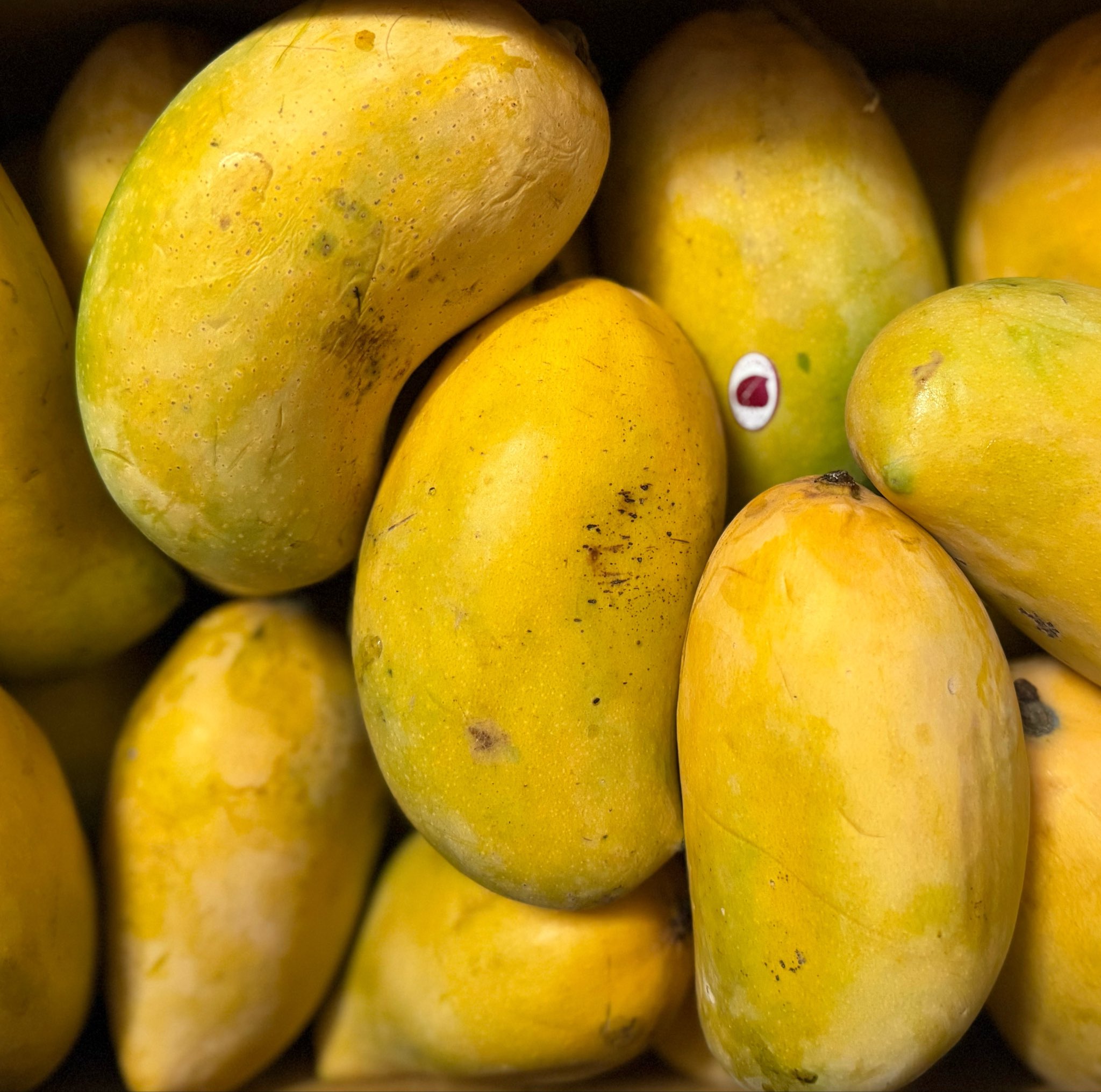
This GI-tagged beauty is bright, fragrant and cheerful. If Kesar tops your list, you are probably the one keeping conversations alive and lifting everyone's mood.
Dashehari (Malihabad, Uttar Pradesh) -- The Traditionalist
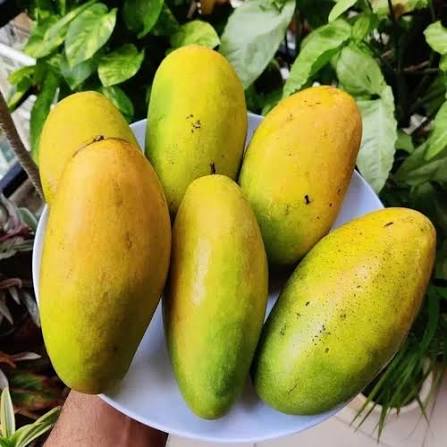
Takes its name from the village Dasheri (in the Lucknow district of Uttar Pradesh) where it was first grown. A GI-recognised classic, Dashehari lovers value loyalty, family traditions and believe that the old ways often remain the best.
Alphonso (Ratnagiri & Devgad, Maharashtra) -- The Sophisticate
Named after Afonso de Albuquerque, a 15th-century Portuguese general and viceroy. While establishing Portuguese colonies in India, he introduced new varieties of fruits and vegetables. It is India's celebrated "King of Mangoes" and a GI-tagged variety; Alphonso lovers appreciate quality over quantity.
Kesar (Gir, Gujarat) -- The Optimist
This GI-tagged beauty is bright, fragrant and cheerful. If Kesar tops your list, you are probably the one keeping conversations alive and lifting everyone's mood.
Dashehari (Malihabad, Uttar Pradesh) -- The Traditionalist
Takes its name from the village Dasheri (in the Lucknow district of Uttar Pradesh) where it was first grown. A GI-recognised classic, Dashehari lovers value loyalty, family traditions and believe that the old ways often remain the best.
Langra (Varanasi, Uttar Pradesh) -- The Underdog
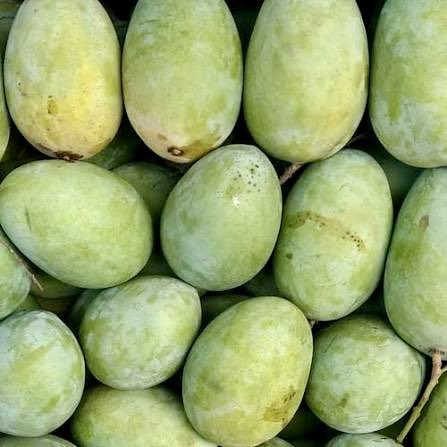
Originally from the Varanasi region in Uttar Pradesh, Langra is named after a saint who was lame. He was the first to develop this variety in his home ground. It stays green even when ripe, proving appearances are not everything. You are humble, dependable and always exceed expectations.
Himsagar (West Bengal) -- The Perfectionist
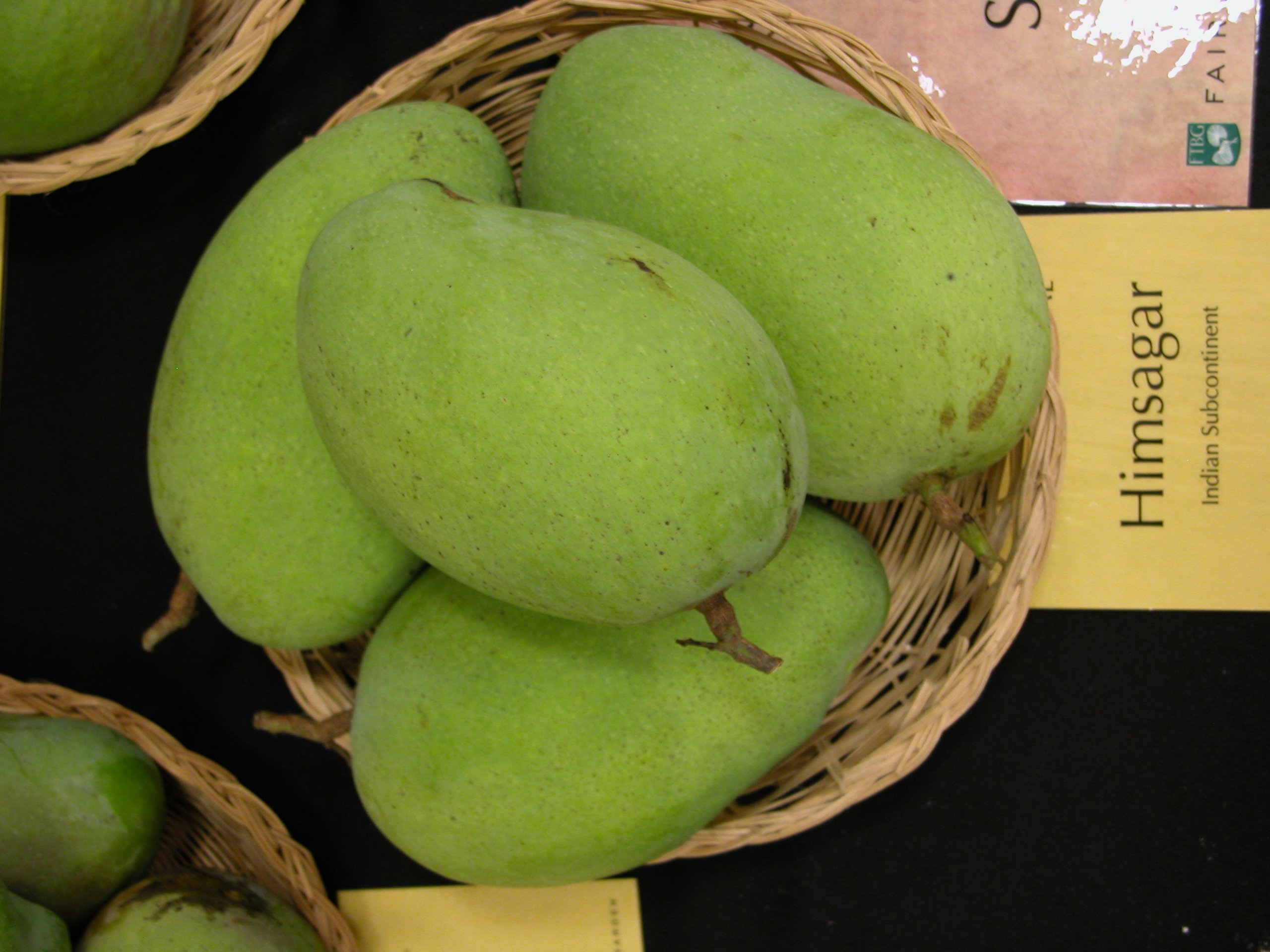
Smooth, fibreless and GI-recognised, Himsagar never needs to show off. If it is your favourite, you are calm under pressure and dislike unnecessary drama.
Lakshman Bhog (Malda, West Bengal) -- The Charmer
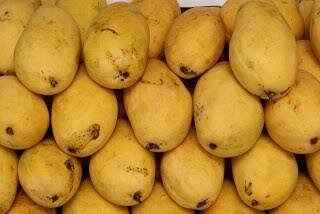
This GI-tagged mango is balanced, sweet and effortlessly appealing. Like it, you are approachable, sociable and make friends wherever you go.
Fazli (Malda, West Bengal) -- The Gentle Giant
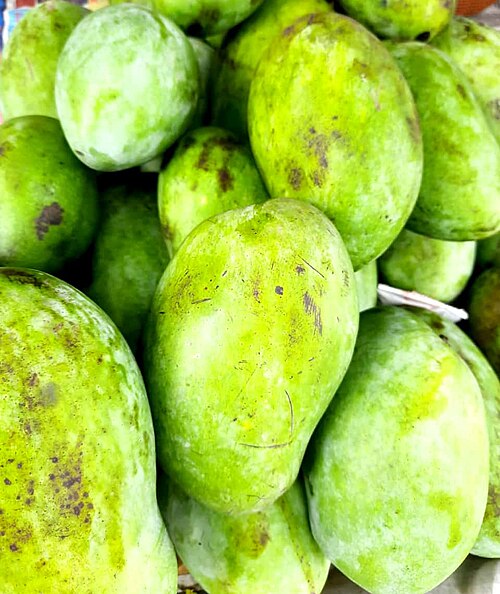
Among India's biggest GI-tagged mangoes, Fazli lovers are generous, warm-hearted and believe happiness is best when shared.
Zardalu (Bhagalpur, Bihar) -- The Elegant Soul
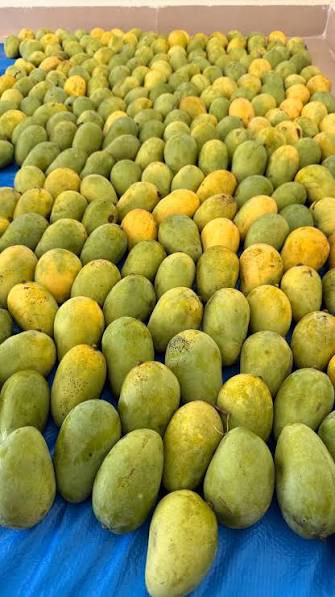
This aromatic GI-tagged mango leaves a lasting impression without demanding attention. Just like you.
Banaganapalle (Andhra Pradesh) -- The Reliable Friend
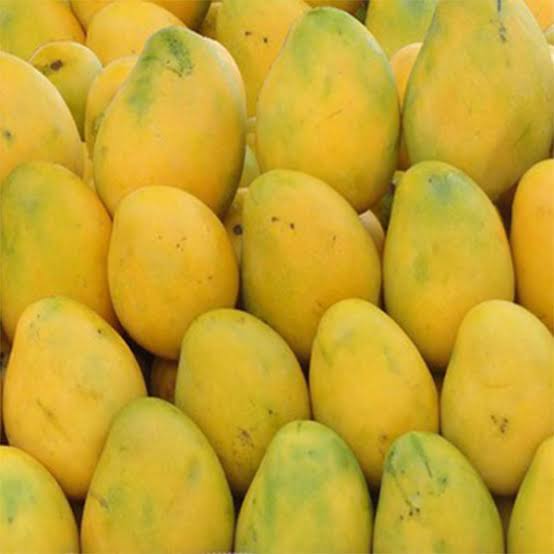
Originated from Banaganapalli in Nandyal district, Andhra Pradesh. A GI-recognised favourite, Banaganapalle is consistently sweet and dependable. You are practical, trustworthy and always there when people need you.
Appemidi (Karnataka) -- The Adventurer
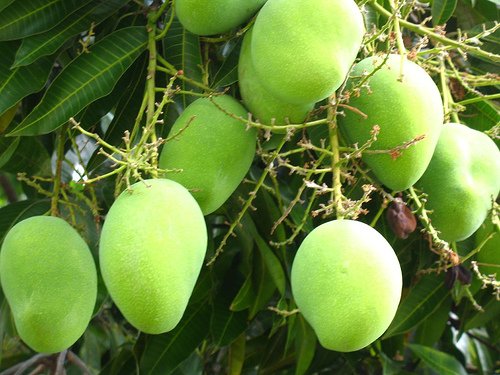
This unique GI-tagged wild mango is famous for its pickles. You're curious, fearless and happiest when trying something new.
Chausa (Uttar Pradesh & Bihar) -- The Free Spirit
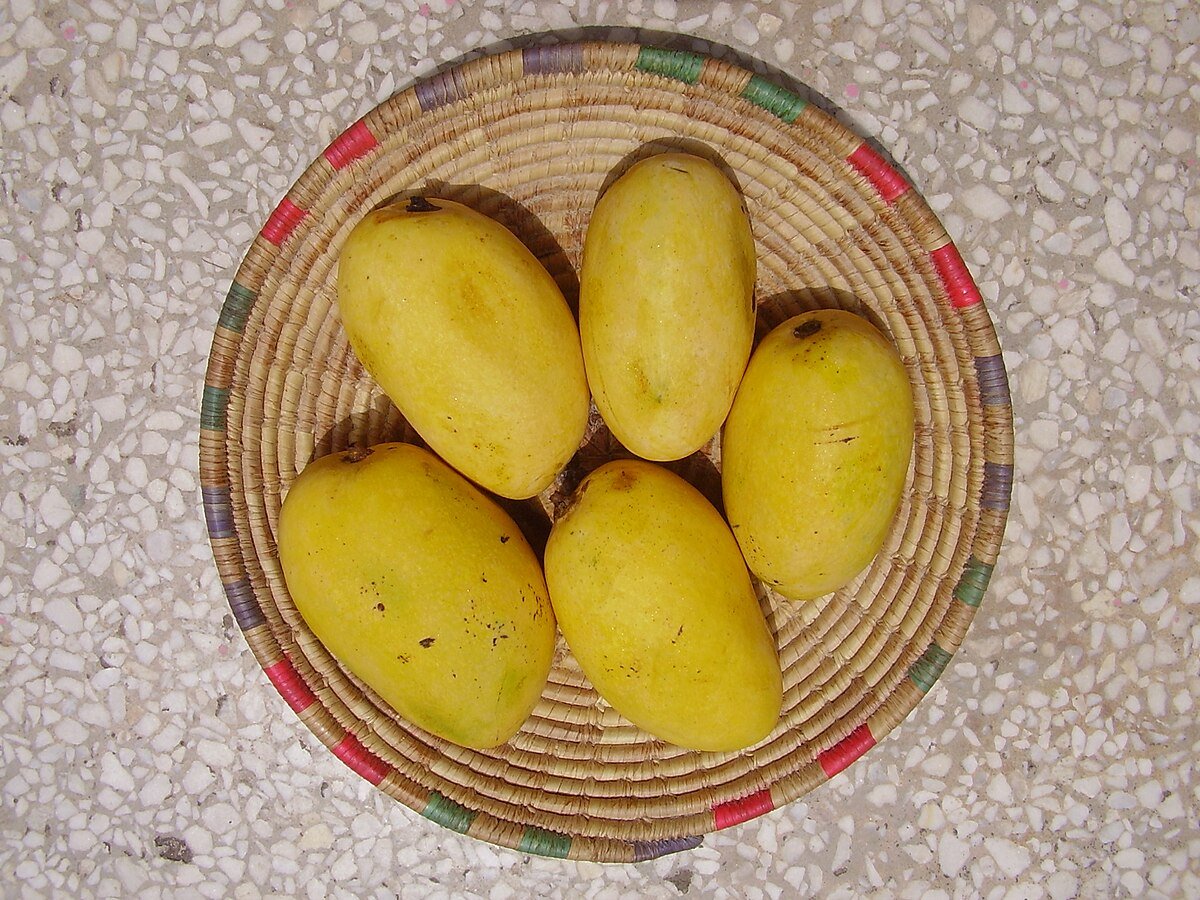
Named after Chausa, a place in Bihar, to commemorate the victory of Sher Shah Suri over Humayun in the Battle of Chausa. Juicy enough to drip down your elbows, Chausa lovers believe life's best moments are rarely neat. Rules? They're more like suggestions.
Imam Pasand (Tamil Nadu, Telangana & Andhra Pradesh) -- The Connoisseur
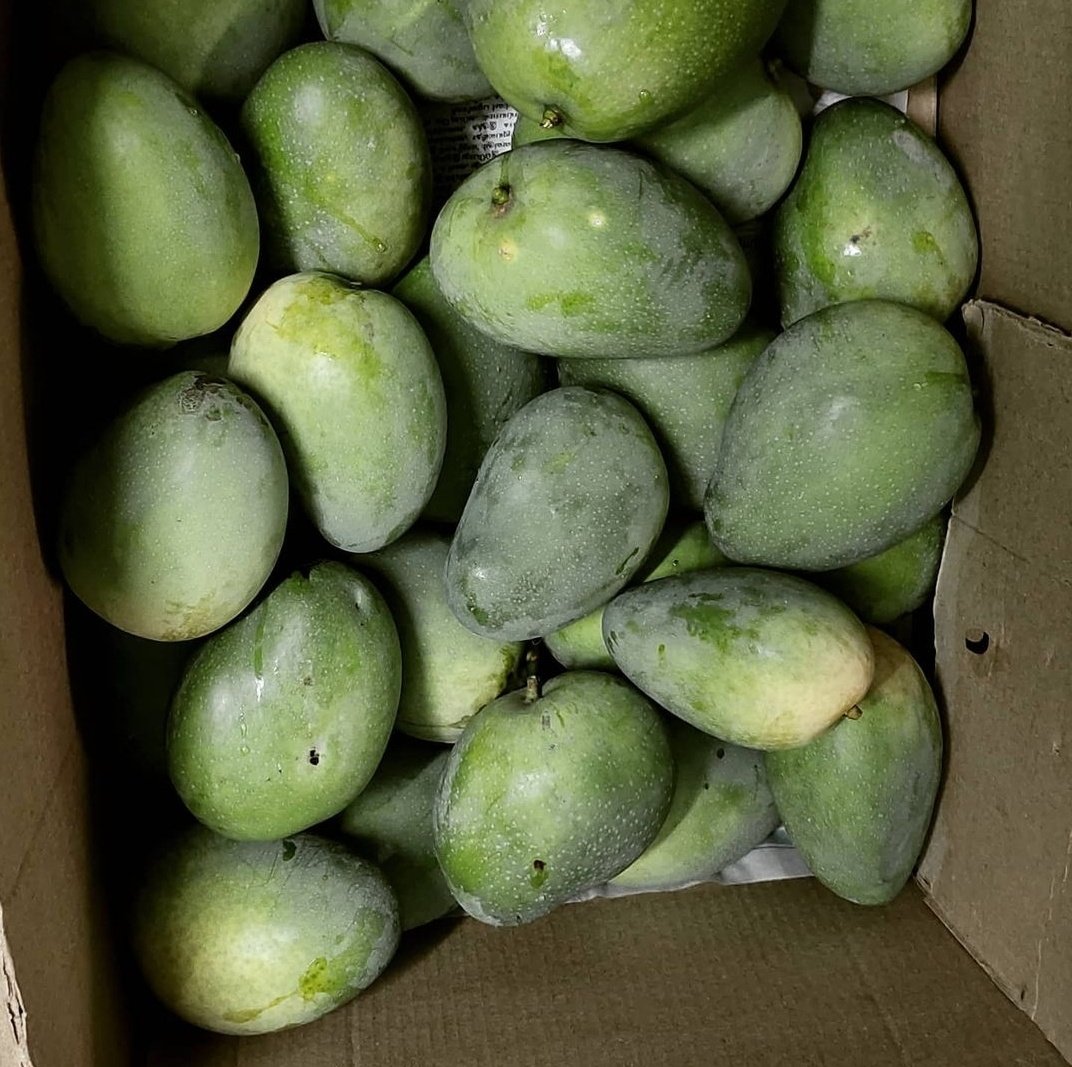
Elegant and luxurious, Imam Pasand attracts people with refined taste who appreciate patience, precision and excellence.
Totapuri (Karnataka, Andhra Pradesh & Tamil Nadu) -- The Rebel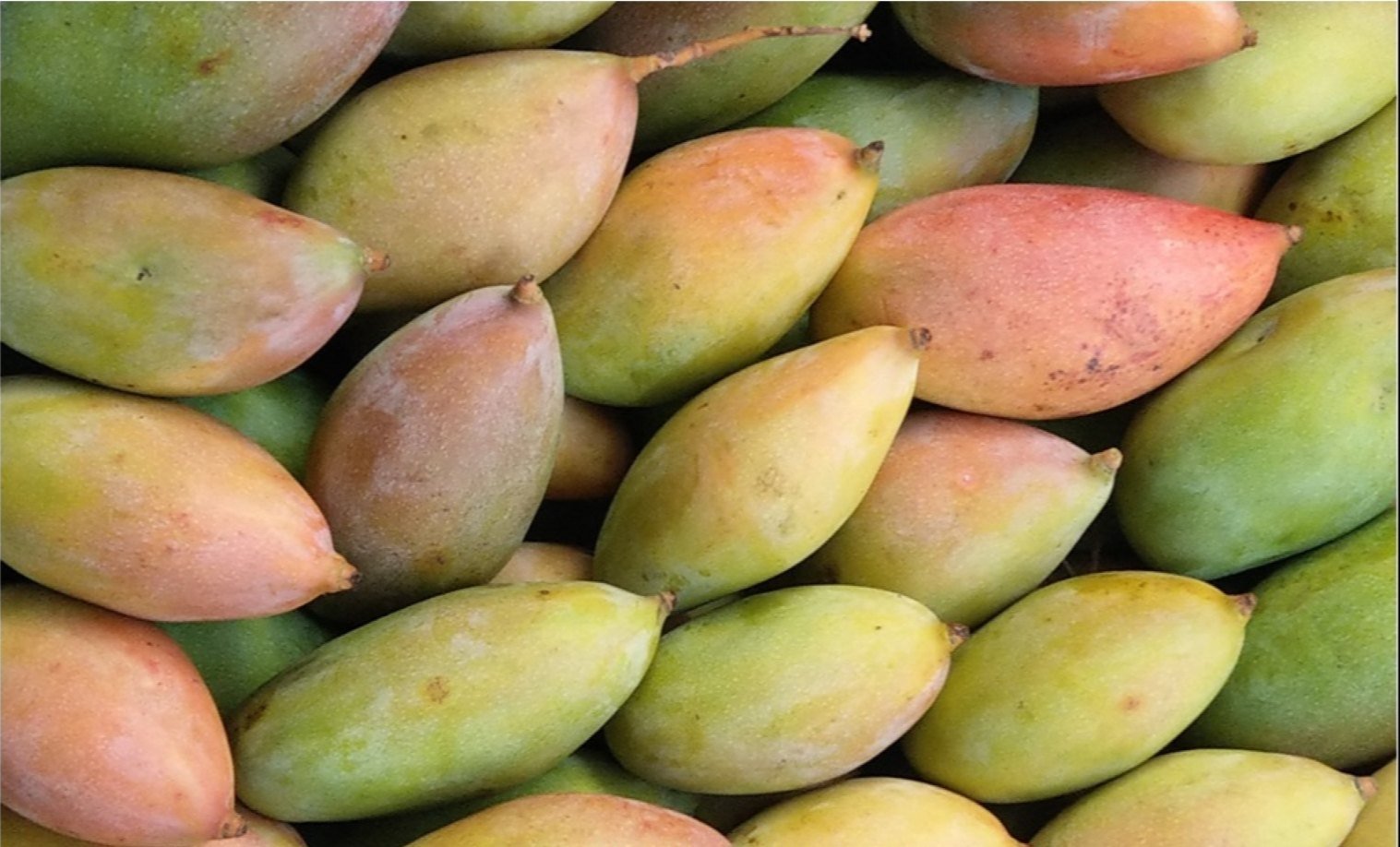
From Hindi “tota” meaning “parrot” because it has the colours of a parrot: red, green, yellow. It’s also known as Ginimoothi, literally “parrot face” since it is shaped like a parrot’s beak. Tangy instead of overly sweet, Totapuri refuses to fit the mould.
Hamilton Sundari (Odisha) -- The Glamorous
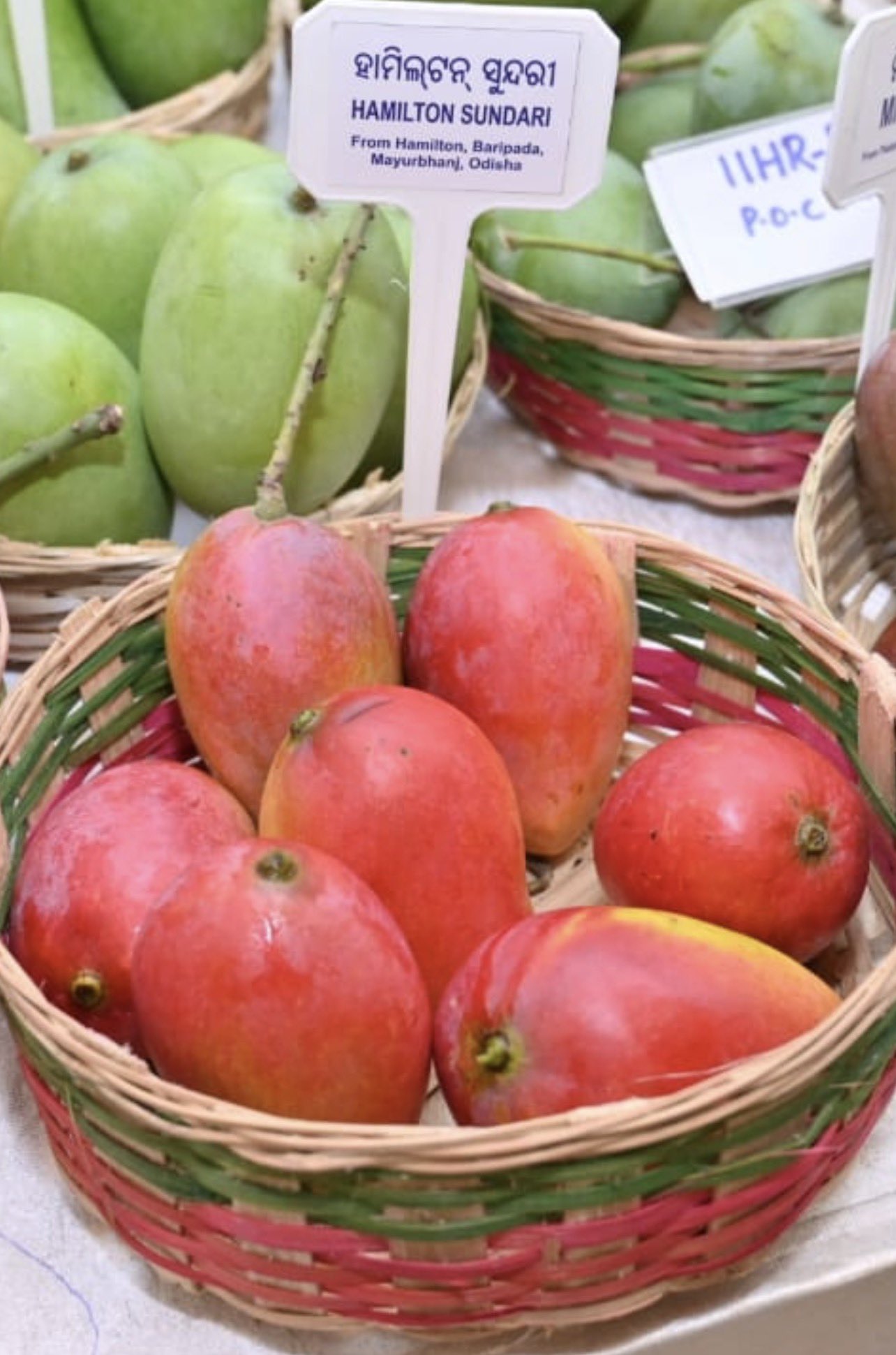
Its story goes back to the 1930s, when Sir Daniel Hamilton, a Scottish visionary associated with the royal family of Mayurbhanj, helped establish advanced orchards and nurseries on the outskirts of Baripada. That’s where the cultivation of this iconic variety began. Sundari may not have a GI tag or nationwide fame, but its naturally sweet flavour has earned it a loyal local following. If this is your pick, you're fiercely proud of your roots and believe the best treasures don't always make headlines.
Neelum (Southern India) -- The Late Bloomer
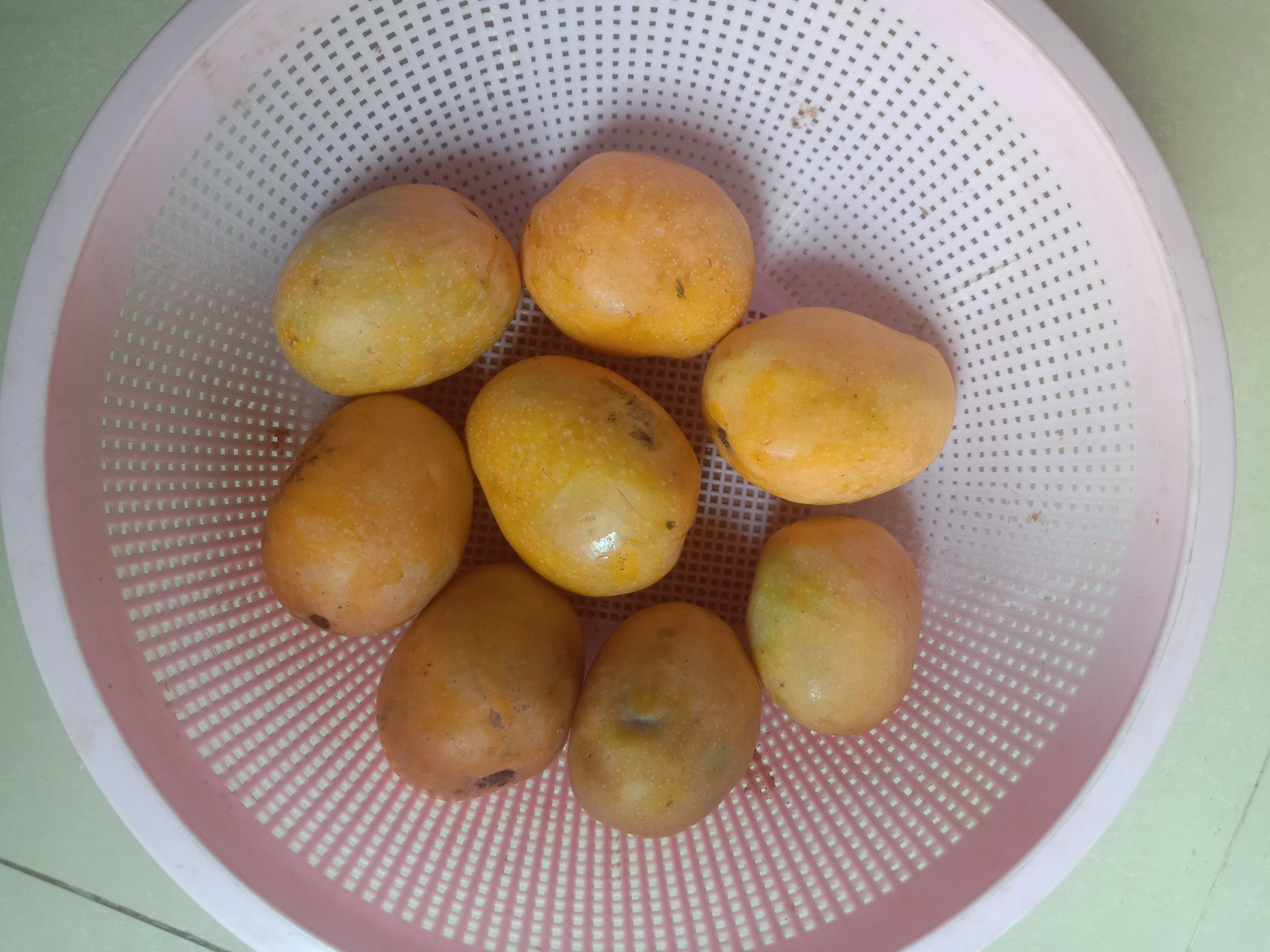
Appearing towards the end of the season, Neelum reminds us that great things don't always arrive first -- they arrive at the right time.
Amrapali (Developed by IARI; grown across India) -- The Multitasker
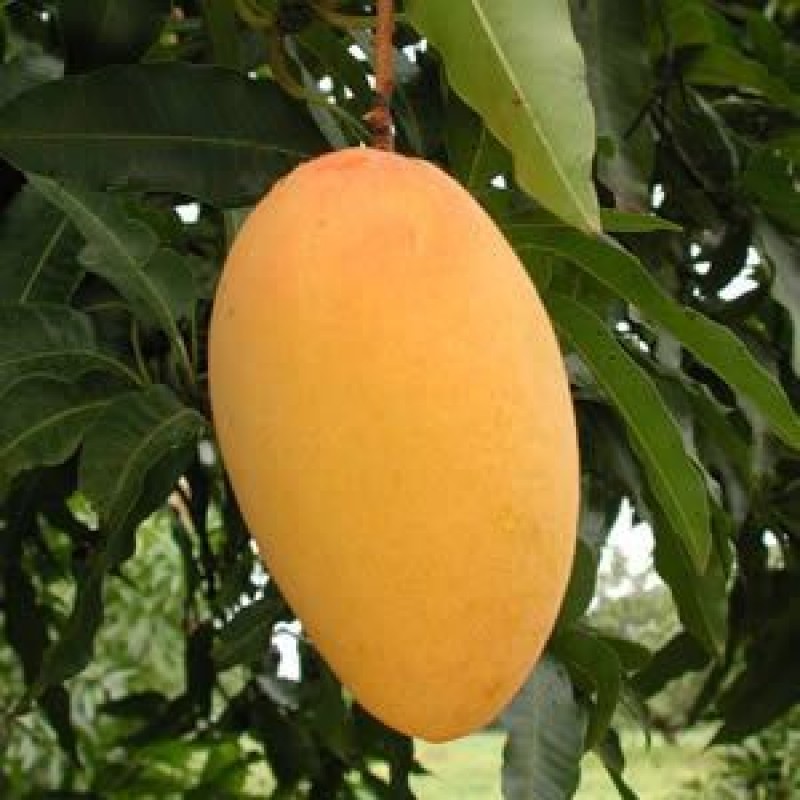
Compact, intensely sweet and remarkably productive, Amrapali lovers know how to balance ambition with efficiency.
Did You Know?
India is home to more than 1,500 documented mango varieties, making it the world's largest producer of the "King of Fruits." Of these, 12 varieties have earned the prestigious Geographical Indication (GI) tag, recognising their unique origin and heritage.
Also Read: PM Modi Highlights Odisha’s 'Bela Pana', Urges People To Embrace Traditional Summer Drinks
Whether your heart belongs to Alphonso, Himsagar or the understated Langra, one thing is certain: in India, choosing a favourite mango is never just about taste -- it is a matter of identity, nostalgia and regional pride.
Originally from the Varanasi region in Uttar Pradesh, Langra is named after a saint who was lame. He was the first to develop this variety in his home ground. It stays green even when ripe, proving appearances are not everything. You are humble, dependable and always exceed expectations.
Himsagar (West Bengal) -- The Perfectionist
Smooth, fibreless and GI-recognised, Himsagar never needs to show off. If it is your favourite, you are calm under pressure and dislike unnecessary drama.
Lakshman Bhog (Malda, West Bengal) -- The Charmer
This GI-tagged mango is balanced, sweet and effortlessly appealing. Like it, you are approachable, sociable and make friends wherever you go.
Fazli (Malda, West Bengal) -- The Gentle Giant
Among India's biggest GI-tagged mangoes, Fazli lovers are generous, warm-hearted and believe happiness is best when shared.
Zardalu (Bhagalpur, Bihar) -- The Elegant Soul
This aromatic GI-tagged mango leaves a lasting impression without demanding attention. Just like you.
Banaganapalle (Andhra Pradesh) -- The Reliable Friend
Originated from Banaganapalli in Nandyal district, Andhra Pradesh. A GI-recognised favourite, Banaganapalle is consistently sweet and dependable. You are practical, trustworthy and always there when people need you.
Appemidi (Karnataka) -- The Adventurer
This unique GI-tagged wild mango is famous for its pickles. You're curious, fearless and happiest when trying something new.
Chausa (Uttar Pradesh & Bihar) -- The Free Spirit
Named after Chausa, a place in Bihar, to commemorate the victory of Sher Shah Suri over Humayun in the Battle of Chausa. Juicy enough to drip down your elbows, Chausa lovers believe life's best moments are rarely neat. Rules? They're more like suggestions.
Imam Pasand (Tamil Nadu, Telangana & Andhra Pradesh) -- The Connoisseur
Elegant and luxurious, Imam Pasand attracts people with refined taste who appreciate patience, precision and excellence.
Totapuri (Karnataka, Andhra Pradesh & Tamil Nadu) -- The Rebel
From Hindi “tota” meaning “parrot” because it has the colours of a parrot: red, green, yellow. It’s also known as Ginimoothi, literally “parrot face” since it is shaped like a parrot’s beak. Tangy instead of overly sweet, Totapuri refuses to fit the mould.
Hamilton Sundari (Odisha) -- The Glamorous
Its story goes back to the 1930s, when Sir Daniel Hamilton, a Scottish visionary associated with the royal family of Mayurbhanj, helped establish advanced orchards and nurseries on the outskirts of Baripada. That’s where the cultivation of this iconic variety began. Sundari may not have a GI tag or nationwide fame, but its naturally sweet flavour has earned it a loyal local following. If this is your pick, you're fiercely proud of your roots and believe the best treasures don't always make headlines.
Neelum (Southern India) -- The Late Bloomer
Appearing towards the end of the season, Neelum reminds us that great things don't always arrive first -- they arrive at the right time.
Amrapali (Developed by IARI; grown across India) -- The Multitasker
Compact, intensely sweet and remarkably productive, Amrapali lovers know how to balance ambition with efficiency.
Did You Know?
India is home to more than 1,500 documented mango varieties, making it the world's largest producer of the "King of Fruits." Of these, 12 varieties have earned the prestigious Geographical Indication (GI) tag, recognising their unique origin and heritage.
Also Read: PM Modi Highlights Odisha’s 'Bela Pana', Urges People To Embrace Traditional Summer Drinks
Whether your heart belongs to Alphonso, Himsagar or the understated Langra, one thing is certain: in India, choosing a favourite mango is never just about taste -- it is a matter of identity, nostalgia and regional pride.
Related Topics
Explore more stories