



Relationships / Why Couples Fight More After 9PM, Science Has Both Reason & Solution
·10 months ago·3 min read
Key Points
- Research shows fatigue reduces emotional regulation, making late-night arguments more likely.
- Natural declines in cortisol and mental energy after evening lower coping ability.
- Night-time conflicts can worsen sleep, creating a repeating cycle of stress and tension.
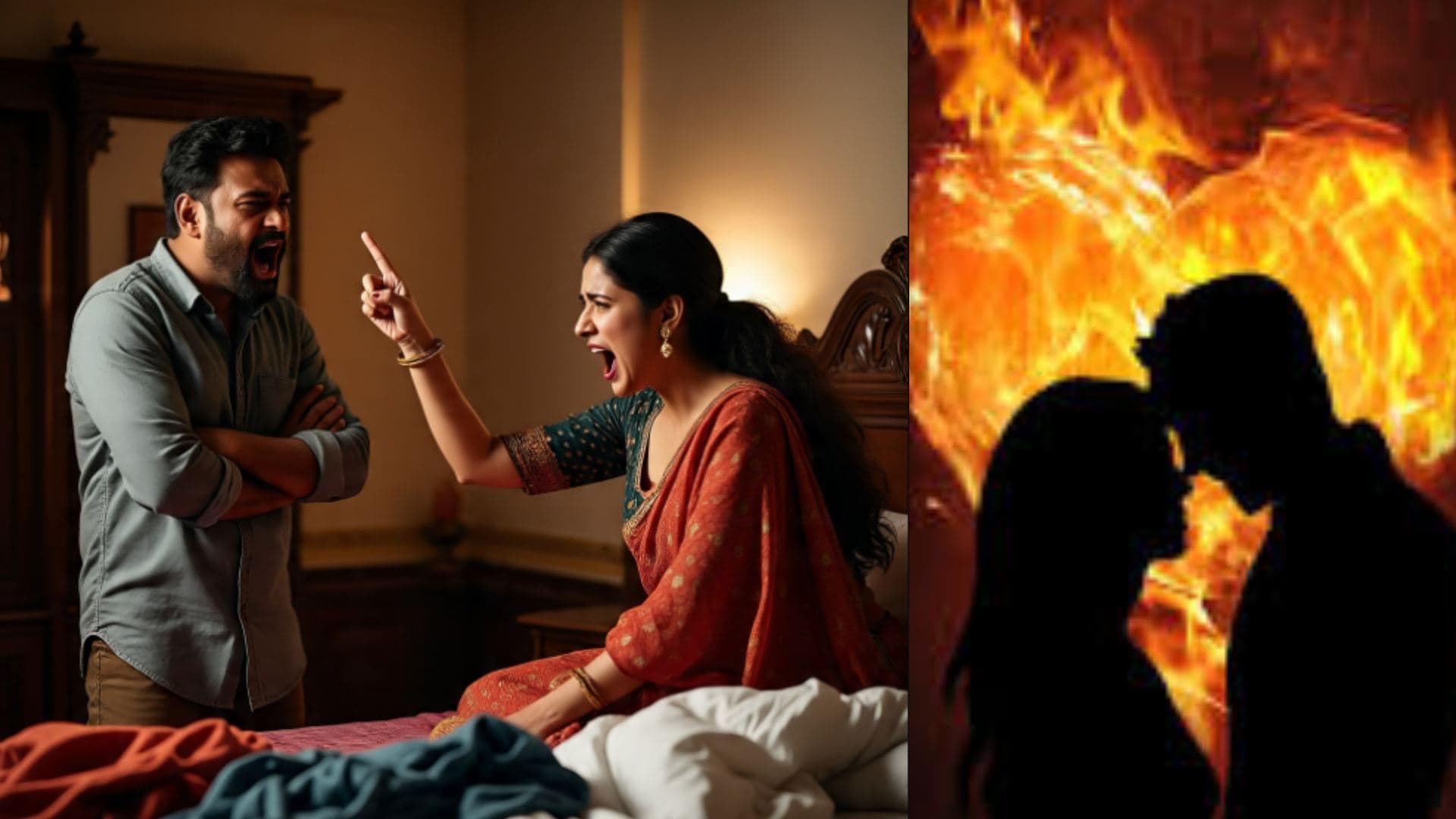
Bhubaneswar, Nov 22: If you and your partner find voices rising past 9pm for the wrong reasons over the smallest of triggers, you’re in good company. Relationship researchers say this is a recognised pattern: couples tend to argue more as the night wears on. And there’s a solid scientific theory behind why it happens.
Sleep, Exhaustion and Emotional Regulation

A major reason is simply fatigue. Studies by UC Berkeley psychologists Amie Gordon and Serena Chen show that poor sleep significantly increases the likelihood of conflict the following day. When partners are tired, the brain’s ability to regulate negative emotions weakens. This means that mild irritation that might have been brushed aside at breakfast becomes a full-blown argument at night. In controlled experiments, sleep-deprived couples discussing relationship conflicts displayed higher cortisol levels, lower positive mood, and less satisfaction with the outcome of the discussion.
The Body Clock Factor
Sleep, Exhaustion and Emotional Regulation
A major reason is simply fatigue. Studies by UC Berkeley psychologists Amie Gordon and Serena Chen show that poor sleep significantly increases the likelihood of conflict the following day. When partners are tired, the brain’s ability to regulate negative emotions weakens. This means that mild irritation that might have been brushed aside at breakfast becomes a full-blown argument at night. In controlled experiments, sleep-deprived couples discussing relationship conflicts displayed higher cortisol levels, lower positive mood, and less satisfaction with the outcome of the discussion.
The Body Clock Factor

📱 Get Argus News App
✨📰 60 Word News🎬 Argus Podcast📺 Live TV and Breaking News🔔 Free Notification Alerts
Download Free:

Stress hormones also play a role. Cortisol follows a natural daily rhythm, generally declining towards night. Research suggests that couples who show more positive behaviours -- affection, humour, understanding -- during conflict tend to have healthier hormone patterns. But as cortisol dips in the evening, emotional coping also declines, leaving partners less resilient and more reactive.
When the Filter Falls Away
Even without biological changes, the end of the day brings another issue: depleted mental bandwidth. The brain uses significant energy all day for decision-making, problem-solving and self-control. By evening, that “emotional editor” -- the inner voice urging us to phrase things gently or let a snide remark go -- becomes less effective. At the same time, night is often the only time couples have to talk without work, children or errands competing for attention. This creates a situation where suppressed worries resurface just as the brain is least equipped to handle them calmly.
A Cycle that Feeds on Itself
Late-night conflict doesn’t end there. Research also shows that when partners go to bed upset, sleep quality worsens. The result is circular: tired couples argue more, and arguments disrupt sleep further, making the next night just as volatile.
What Couples Can Do

Experts point to a few practical steps. Prioritise sleep hygiene. Save serious discussions for daytime when emotional reserves are higher. Take breaks if a nighttime discussion becomes heated. And use positive behaviours — humour, reassurance or a simple acknowledgement of tiredness — to soften the edges.
Also Read: Women of This Area Hate To Marry Men, Here's Why
Understanding that late-night arguments are rooted in biology, not personal failure, can help partners protect both their rest and their relationship.
Related Topics
Explore more stories