



Healthcare / To Prevent Cervical Cancer, Odisha to Roll Out Free HPV Vaccine for Girls from Feb 28
Key Points
- Free HPV vaccine rollout in Odisha from February 28, inaugurated by PM Modi.
- 2.5 lakh girls aged 14 to be covered initially, later extended up to age 40.
- Odisha to launch ₹311 crore Cancer Care Mission in 2026-27.
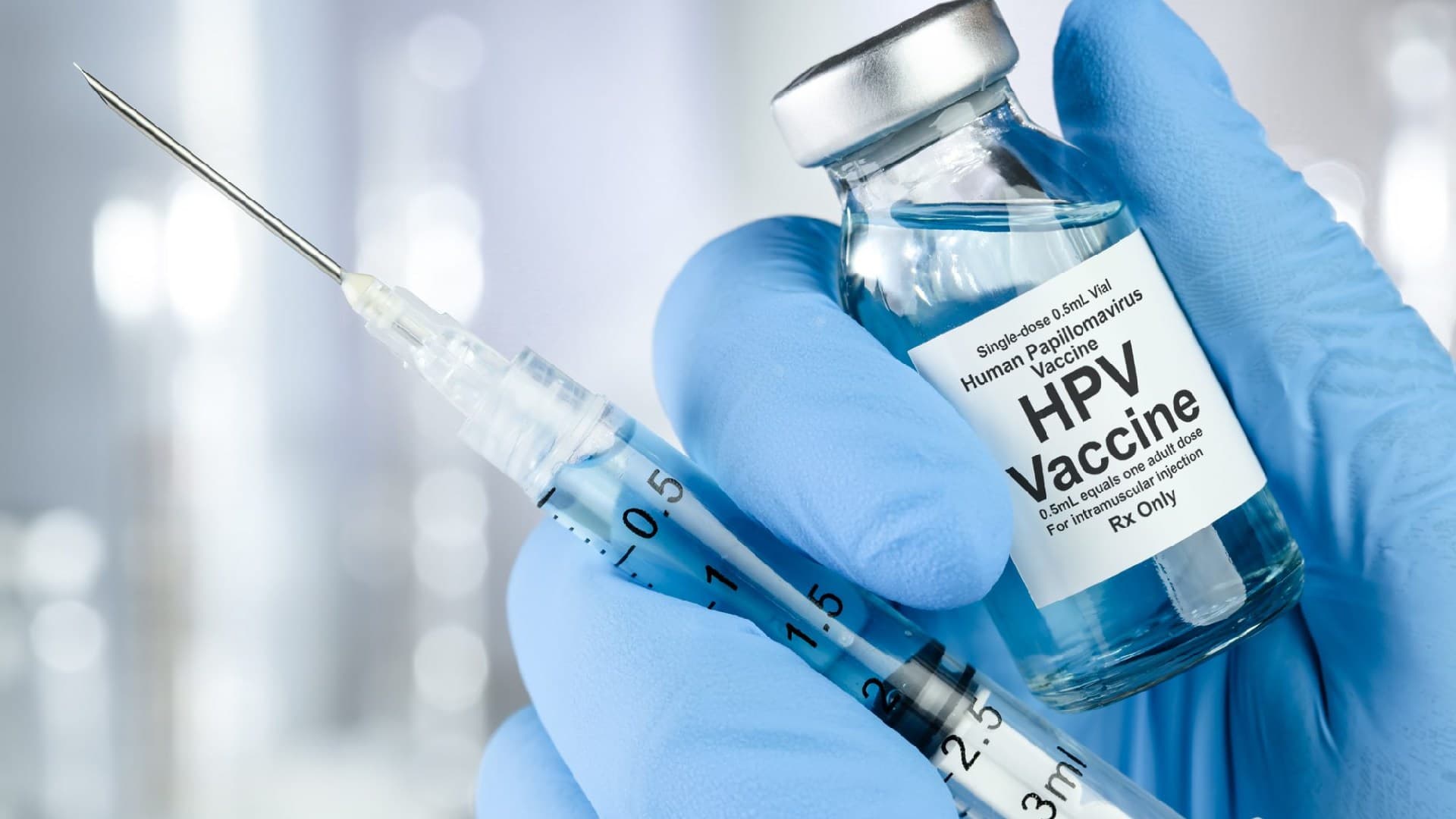
Bhubaneswar, Feb 25: In a landmark public health initiative, Odisha is set to launch the HPV vaccine drive to prevent cervical cancer.
Shakti Mishra, Director of Family Welfare, announced that the vaccine, previously available only in private hospitals, will now be provided free of cost at government hospitals equipped with cold chain facilities.
The programme will officially be inaugurated virtually by
Prime Minister Narendra Modi on February 28.
Also Read: Odisha Intensifies HPV Vaccination Drive for adolescent Girls

📱 Get Argus News App
✨
Initially, the vaccine will be administered to 14-year-old
girls, covering around 2.5 lakh beneficiaries across the state. “The vaccine
has no side effects and will be distributed in phases, starting with a
three-month primary rollout before expanding to cover women up to 40 years of
age,” said Mishra.
Odisha Health Minister Mukesh Mahaling confirmed that the nationwide vaccination drive will begin on February 28, with Chief Minister Mohan Charan Majhi attending the state-level launch. According to the guidelines issued by the Government of India, girls aged 14 will receive a single dose, while those aged 14 up to marriage will be given three doses.
Mahaling further revealed that in the financial year 2026-27,
the state will launch the Chief Minister’s Cancer Care Mission, with an
allocation of ₹311 crore. “This mission aims to strengthen cancer prevention
and treatment infrastructure, covering all types of cancer,” revealed the Odisha
Health Minister.
Also Read: Gynaecologist Dr Sujata Kar Calls HPV Vaccine ‘Critical Preventive Tool’ as India Targets Cervical Cancer Elimination
What is ‘Cervical Cancer’?
Cervical cancer is a type of cancer that begins in the cells of the cervix, the lower part of the uterus that connects to a female’s private part. It usually develops slowly, starting with abnormal cell changes known as dysplasia. If untreated, these abnormal cells can become cancerous and spread deeper into the cervix and nearby tissues.
The primary cause is persistent infection with certain
strains of human papillomavirus (HPV). Cervical cancer is largely preventable
through HPV vaccination and regular screening, and it can often be cured if
detected early. Globally, it remains one of the most common cancers among women.
Related Topics
Explore more stories