



Relationships / This Animal Habit Can Save Your Relationship, Check Out 'The Wolf' Mindset
·10 months ago·2 min read
Key Points
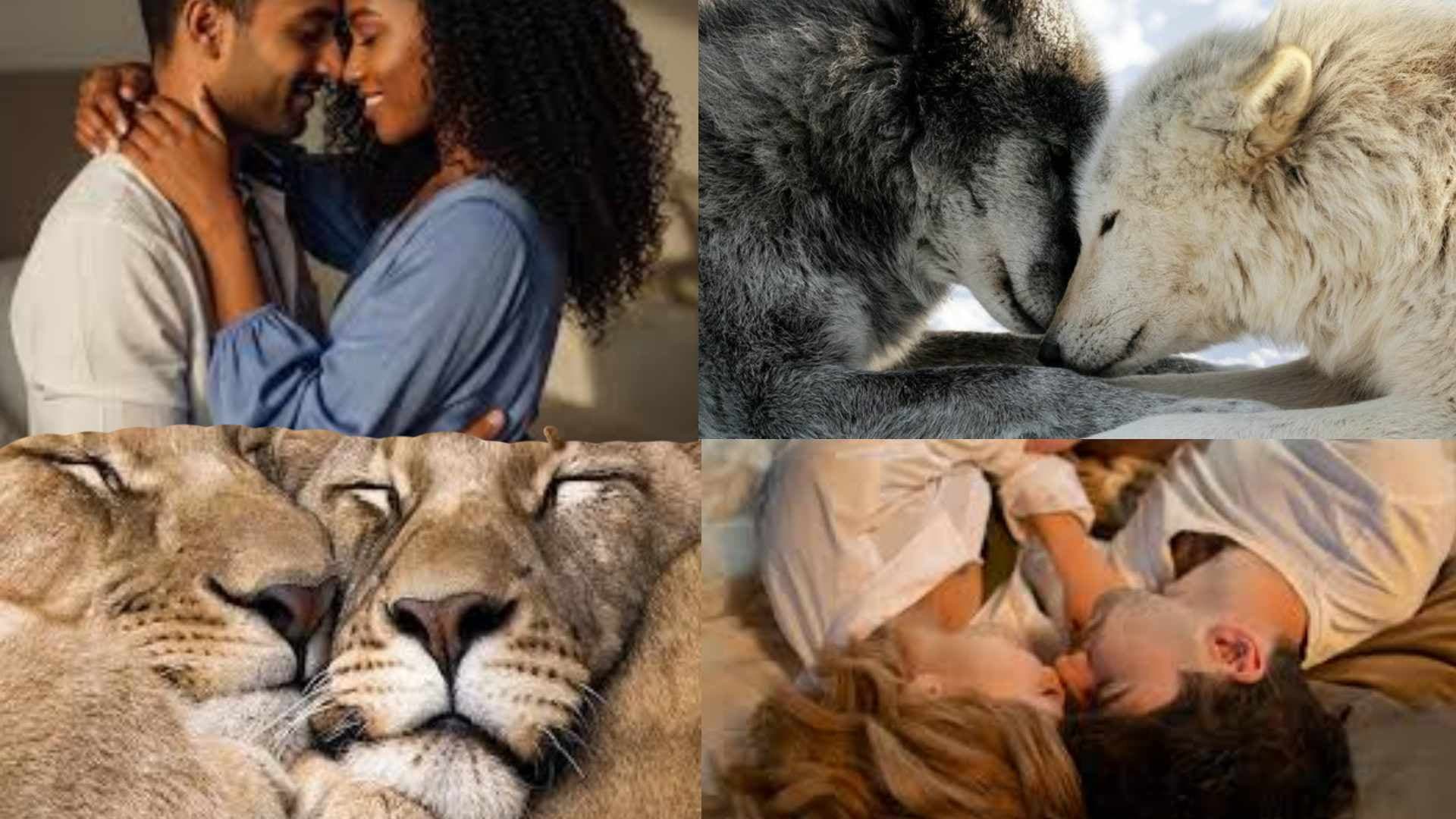
- Several animal species like penguins, wolves and gibbons evolve lifelong monogamous bonds for survival.
- Scientists say communication, cooperation and daily bonding rituals strengthen lasting partnerships.
- Observed animal behaviours offer research-backed lessons that could support more resilient human relationships.
Bhubaneswar, Nov 24: Long-term human relationships are becoming harder to sustain in an age of rising ambitions, demanding careers and the pursuit of luxury rather than fulfilment. These pressures often strain emotional bonds and leave couples struggling to find balance. Yet, nature offers powerful examples of species that maintain stable partnerships, demonstrating practical lessons that humans can adopt to build healthier, more resilient relationships.
Penguins
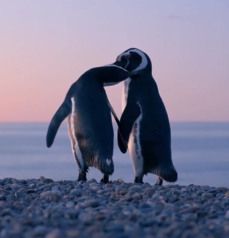
One of the most studied examples comes from emperor penguins. These birds form seasonal monogamous pairs to raise a single chick under extreme Antarctic conditions. Researchers observing colonies have found that communication is central to their success. When partners return from long searches for food, they recognise each other through unique vocal calls learned over time. This consistent communication helps maintain trust and cooperation -- something relationship counsellors often highlight as a foundation of stable human partnerships.
Also Read: Why Couples Fight More After 9PM, Science Has Both Reason & Solution
Wolves
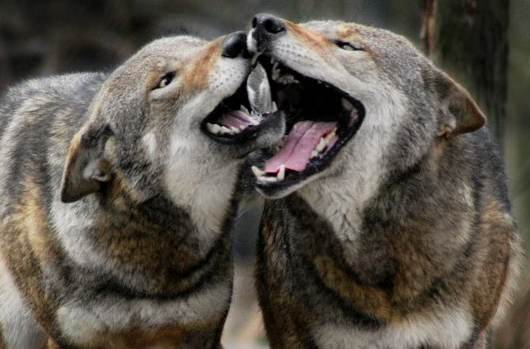
Wolves also maintain lifelong pairs within a structured pack system. Studies from wildlife ecologists show that wolf mates share leadership roles, coordinate hunting and take turns raising pups. Their partnerships are based not on dominance but on role division and mutual reliance. For humans, this model reflects the measurable benefits of shared responsibilities -- balancing work, childcare and household pressures so that one partner is never overloaded.
Gibbons
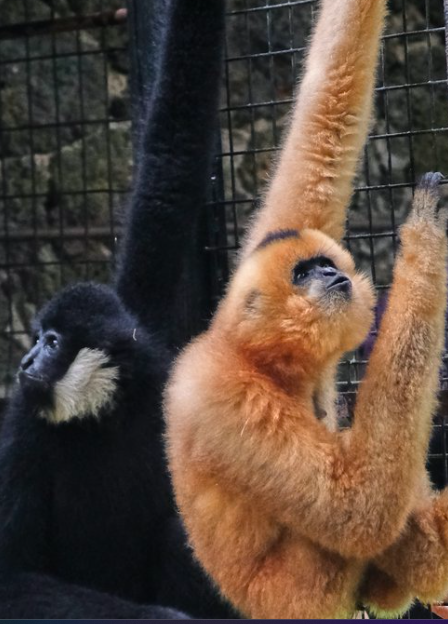
Meanwhile, some species like gibbons demonstrate another key insight: daily bonding rituals matter. These primates strengthen their pair bonds by grooming, vocal duets and close physical proximity. Psychologists similarly note that regular shared activities -- such as daily meals, brief check-ins or walks -- help couples build emotional resilience over time, even when facing external stress.
Penguins
One of the most studied examples comes from emperor penguins. These birds form seasonal monogamous pairs to raise a single chick under extreme Antarctic conditions. Researchers observing colonies have found that communication is central to their success. When partners return from long searches for food, they recognise each other through unique vocal calls learned over time. This consistent communication helps maintain trust and cooperation -- something relationship counsellors often highlight as a foundation of stable human partnerships.
Also Read: Why Couples Fight More After 9PM, Science Has Both Reason & Solution
Wolves
Wolves also maintain lifelong pairs within a structured pack system. Studies from wildlife ecologists show that wolf mates share leadership roles, coordinate hunting and take turns raising pups. Their partnerships are based not on dominance but on role division and mutual reliance. For humans, this model reflects the measurable benefits of shared responsibilities -- balancing work, childcare and household pressures so that one partner is never overloaded.
Gibbons
Meanwhile, some species like gibbons demonstrate another key insight: daily bonding rituals matter. These primates strengthen their pair bonds by grooming, vocal duets and close physical proximity. Psychologists similarly note that regular shared activities -- such as daily meals, brief check-ins or walks -- help couples build emotional resilience over time, even when facing external stress.

📱 Get Argus News App
✨📰 60 Word News🎬 Argus Podcast📺 Live TV and Breaking News🔔 Free Notification Alerts
Download Free:
While animals follow instinct rather than complex emotional reasoning, researchers point out that their behaviours reflect evolved intelligence: communication, cooperation and consistent bonding. None of these traits relies on fantasy, grand gestures or constant passion. They rely on small, repeated actions that strengthen trust.
Related Topics
Explore more stories