



Health Update / Think Twice Before Eating Red Meat, Experts Warn Of Hidden Dangers
Key Points
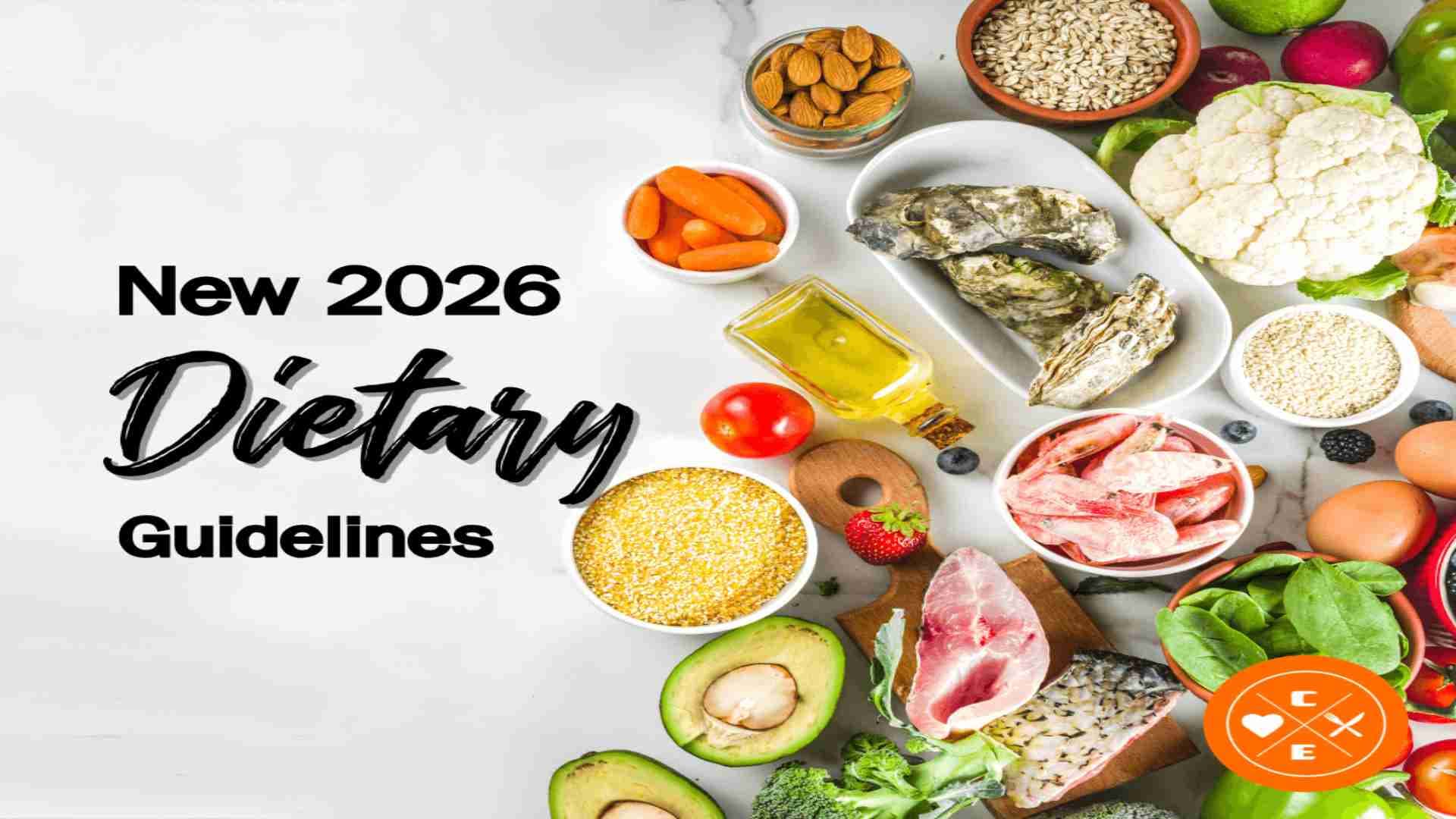
But in 2026, there has been a major change in dietary guidelines.
Bhubaneswar,
Jan 23: For a long
time, we were taught that ghee, butter, and red meat are very harmful to
health. But in 2026, there has been a major change in dietary guidelines. The
U.S. Department of Health (HHS) released the 2025–2030 dietary guidelines, and
at a White House press conference, U.S. Health Secretary Robert F. Kennedy Jr.
announced that the debate around foods like ghee, butter, fatty foods, and milk
containing saturated fats is now over.
According to
the new guidelines, the real danger lies in processed foods and excessive
sugar, while eggs, red meat, and full-fat milk are now considered high-quality
sources of protein.
This change
is also significant for Indians, where lentils, milk, curd, ghee, paneer, eggs,
and red meat have long been part of the diet. The report notes that red meat
has been linked to several problems, including heart disease.
However,
health experts now advise consuming fatty red meats like mutton in limited
quantities, since the saturated fat they contain can raise bad cholesterol.

📱 Get Argus News App
✨Can
people with fatty liver eat red meat?
In India, many people consume red meat, which is why cholesterol and fatty
liver cases are rising rapidly. So, is red meat safe for everyone? Dr. Rakesh
Patel, senior gastroenterologist at Fortis Hospital, Kalyan, Mumbai, says: “For
patients with sarcopenia, heart disease, or liver disease, eating small amounts
of red meat is not harmful. However, processed meats like sausages and salami
are dangerous because they increase the risk of heart disease.”
Is red
meat necessary in the Indian diet?
Dr. (Professor) Purushottam Lal, Chairman-Director of Metro Group of Hospitals
and Padma Vibhushan awardee, said: “Red meat is not considered essential in the
Indian diet. Eating it in limited amounts is not harmful. But excessive
consumption increases the risk of cholesterol, obesity, and heart disease.
Therefore, a balanced, seasonal, and home-cooked diet is considered best for
Indians.”
How much
red meat should be eaten?
According to doctors, frequent consumption of red meat like mutton is not
necessary for Indians. If someone eats red meat, it is better to limit it to
once a week or once every 10–15 days. Eating it daily or in large amounts is
unhealthy, as it contains high saturated fat, which over time can raise
cholesterol and increase the risk of heart disease and other metabolic
disorders. Eating up to 500 grams of red meat per week is scientifically
acceptable. However, Indians should consume less saturated fat overall, since
carbohydrate intake is already high in India. Excess fat can increase the risk
of obesity, diabetes, and other metabolic problems.
Does red
meat increase cancer risk?
Dr. Patel says he does not recommend eliminating red meat, especially for those
who are sick and need protein. Such people can eat red meat one to two times a
week, or at most four days a week. But excessive consumption significantly
raises the risk of colorectal cancer and heart disease. Dr. Dariush Mozaffarian,
a cardiologist at Tufts University, also said in an interview that the problem
is not just fat, but certain carcinogenic and inflammatory compounds in red
meat that increase the risk of cancer and type 2 diabetes. He advises not
eating red meat more than once a week. Bacon, sausages, hot dogs, salami, and
deli meats should be avoided or eaten very sparingly.
Should
processed meat be completely stopped?
It is best to stay away from processed meats like sausages, salami, and bacon.
They contain high amounts of salt, preservatives, and saturated fat, which
increase the risk of heart disease, high blood pressure, and obesity. Eating
them occasionally in small amounts may not cause immediate harm, but long-term
consumption can be damaging.
Related Topics
Explore more stories