



Health Update / Is The Universal Donor Kidney The Future Of Transplant Medicine?
Key Points
Scientists have transformed a type A kidney into a universal donor organ using a two-hour enzyme treatment that removes blood type antigens.
This breakthrough could dramatically reduce transplant wait times, especially for type O patients, and marks a major advance in addressing the global organ shortage crisis.
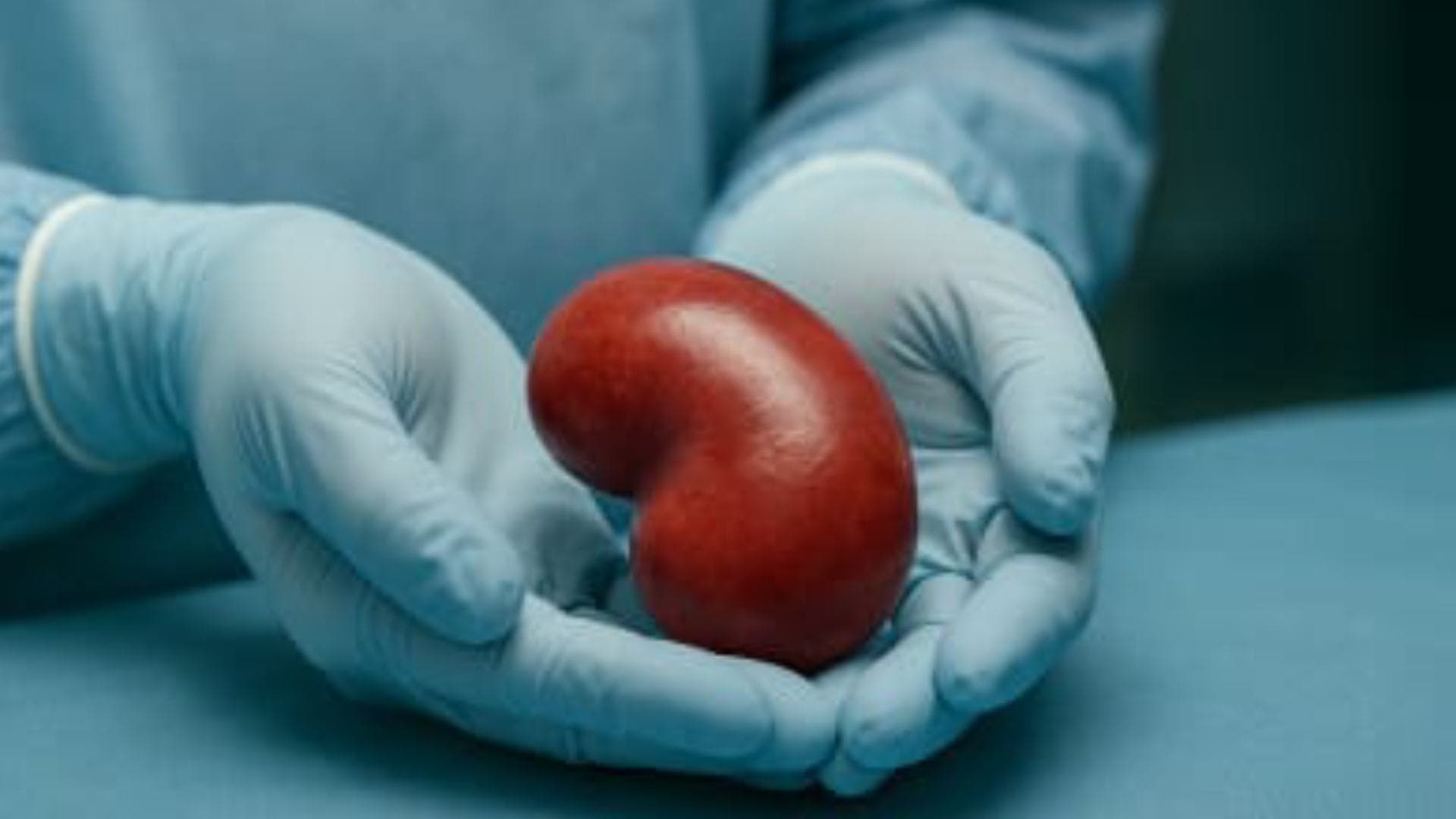
Bhubaneswar, Oct 4: Researchers have made a major step in solving the organ shortage crisis by converting a type A kidney into a universal donor kidney. This could help thousands of patients, especially those with type O blood, who often wait years for a match.
The process is quick, just two hours. Scientists soak the kidney in a special enzyme solution that removes blood type markers called antigens. This makes the kidney appear as type O, which can be accepted by any patient.

📱 Get Argus News App
✨In a test, the modified kidney worked well for two days in a brain-dead patient. On the third day, some antigens returned, and the immune system reacted. While the effect was temporary, experts say it proves the method can work.
Also Read: Long Covid Patients More Likely To Suffer From Unusual Heart Rhythm Disorder
Nearly half of the 90,000 people on the U.S. kidney transplant waiting list have type O blood. This breakthrough could shorten wait times and save lives.
Researchers plan to improve the technique by adding anti-rejection drugs and testing it in living patients. Similar enzyme methods have already shown promise in lung tissue, and scientists hope to apply them to hearts and livers too.
Experts believe this innovation could change the future of organ transplants.
Related Topics
Explore more stories