



Healthcare / India Just Approved Its First Dengue Vaccine: Here’s What You Must Know about 'QDENGA'
Key Points
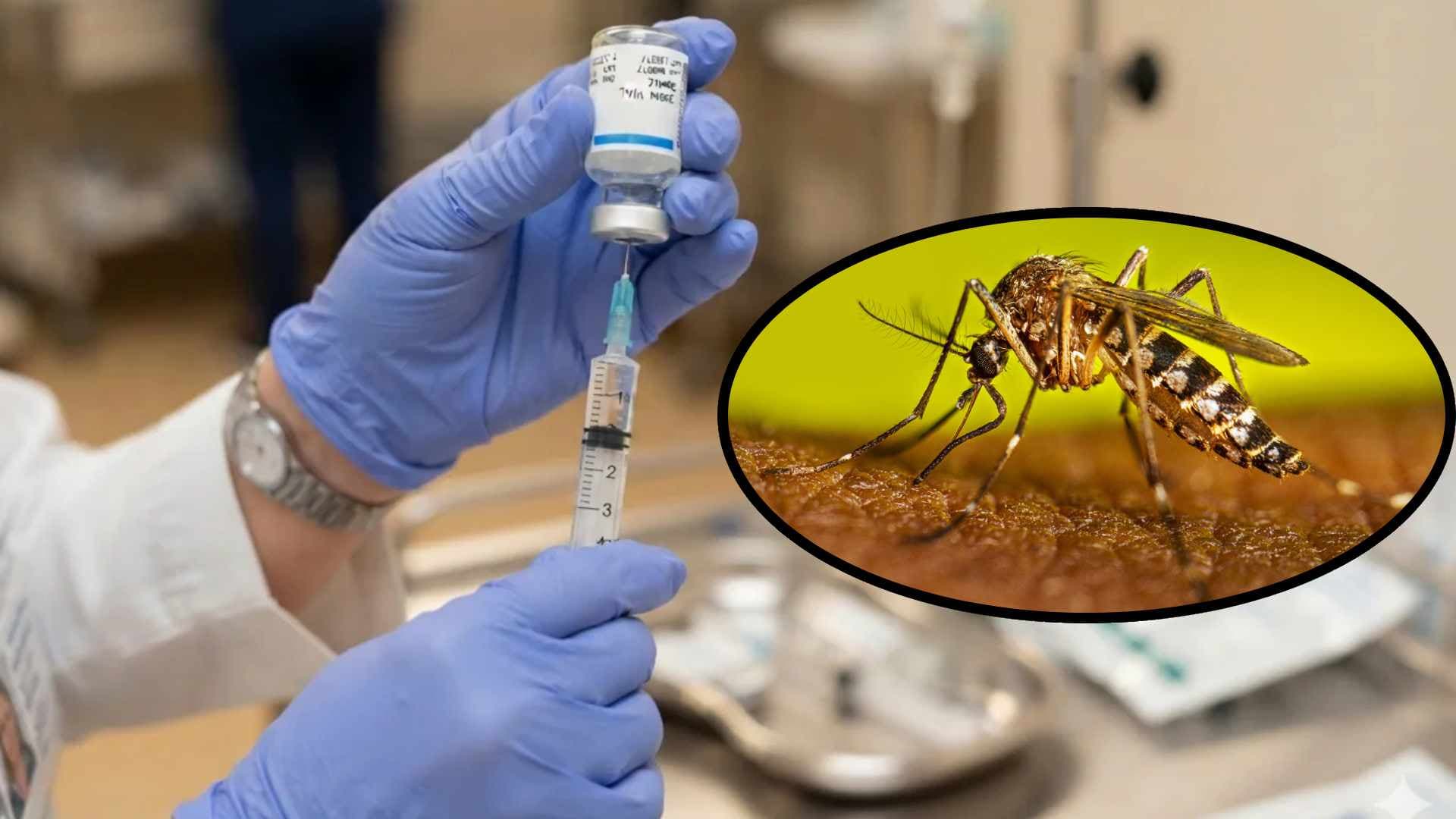
India approves Takeda’s QDENGA, its first dengue vaccine, offering protection against all four virus strains. The breakthrough could ease hospital burden, reduce severe cases, and strengthen India’s dengue prevention strategy.
New Delhi, Jul 20: India has taken a landmark step in its fight against dengue with the approval of Takeda’s QDENGA (TAK‑003) by the Central Drugs Standard Control Organisation (CDSCO).
This marks the country’s first licensed dengue vaccine, offering hope against a disease that has become one of India’s most pressing seasonal health threats.
About QDENGA
QDENGA is a live‑attenuated tetravalent vaccine developed by Japanese pharmaceutical company Takeda. It is designed to protect against all four dengue virus serotypes (DENV‑1, DENV‑2, DENV‑3, DENV‑4). Administered as two subcutaneous doses three months apart, the vaccine stimulates immunity to reduce symptomatic dengue and severe disease requiring hospitalisation.

📱 Get Argus News App
✨Unlike the older Dengvaxia, QDENGA does not require prior blood testing to confirm past infection, simplifying mass vaccination programmes.
Also read: Dogs to Sniff Out Cancer! Inside Bengaluru Startup Dognosis’ Bold AI Experiment
Significance for India
India carries nearly one‑third of the global dengue burden, with cases rising more than eleven‑fold in the past two decades.
Seasonal outbreaks during monsoon months overwhelm hospitals, relying until now on mosquito control, breeding site elimination, personal protection, early diagnosis, and supportive treatment. The availability of a vaccine adds a crucial preventive tool to India’s arsenal.
Who Can Receive It?
Internationally, QDENGA has been approved for children and adults, regardless of prior dengue infection. This feature is a major advantage over Dengvaxia, which is restricted to individuals with documented past infection.
Indian prescribing guidelines will be detailed at launch, but the vaccine’s broad eligibility could streamline rollout.
Effectiveness
Evidence from the pivotal TIDES Phase III trial, involving over 20,000 children and adolescents across eight endemic countries, demonstrated strong long‑term protection. After 4.5 years of follow‑up, QDENGA showed:
- 84% protection against dengue‑related hospitalisation
- 61% protection against virologically confirmed dengue overall
- Sustained protection against severe dengue in both seropositive and seronegative individuals
Effectiveness varied by serotype, but results were robust enough to earn WHO recommendation and approvals in more than 40 countries, including the EU, UK, Brazil, Indonesia, and Argentina.
Cost and Availability
Pricing in India has not yet been announced. However, Takeda’s partnership with Hyderabad‑based Biological E to manufacture up to 50 million doses annually is expected to reduce costs and ensure supply.
Whether the vaccine is initially available only in private markets or later incorporated into government immunisation programmes will influence affordability. More clarity is expected closer to launch.
Will Everyone Need It?
Not necessarily. WHO recommends dengue vaccination as part of an integrated strategy that includes mosquito control, community awareness, early diagnosis, access to healthcare, and surveillance.
Vaccination is not a substitute for preventing mosquito bites or eliminating breeding sites, but it can significantly reduce severe illness and hospitalisation.
Possibility of Dengue’s Elimination
No vaccine alone can eradicate dengue. Multiple virus serotypes circulate simultaneously, and mosquito populations continue to expand due to climate change and urbanisation.
Experts stress that vaccination must complement existing public health measures rather than replace them.
Conclusion
The approval of QDENGA represents a milestone in India’s dengue response. If widely adopted, it could ease hospital pressure during outbreaks, reduce severe cases, and save lives.
Local manufacturing positions India as a global hub for dengue vaccine supply. Yet, continued surveillance, vector control, and public awareness remain essential to curb transmission.
India’s first dengue vaccine offers a powerful new tool against a disease that affects millions annually.
While questions around pricing, rollout, and inclusion in
public programmes remain, QDENGA’s ability to protect against all four
serotypes without prior infection testing makes it a potentially transformative
addition to India’s dengue prevention strategy.
Related Topics
Explore more stories