



Wildlife / Forget Male or Female, These Animals Change Gender Like You Change Your Outfit
·10 months ago·2 min read
Key Points
Several species like clownfish, wrasses, frogs and salamanders naturally change gender based on social or environmental cues.
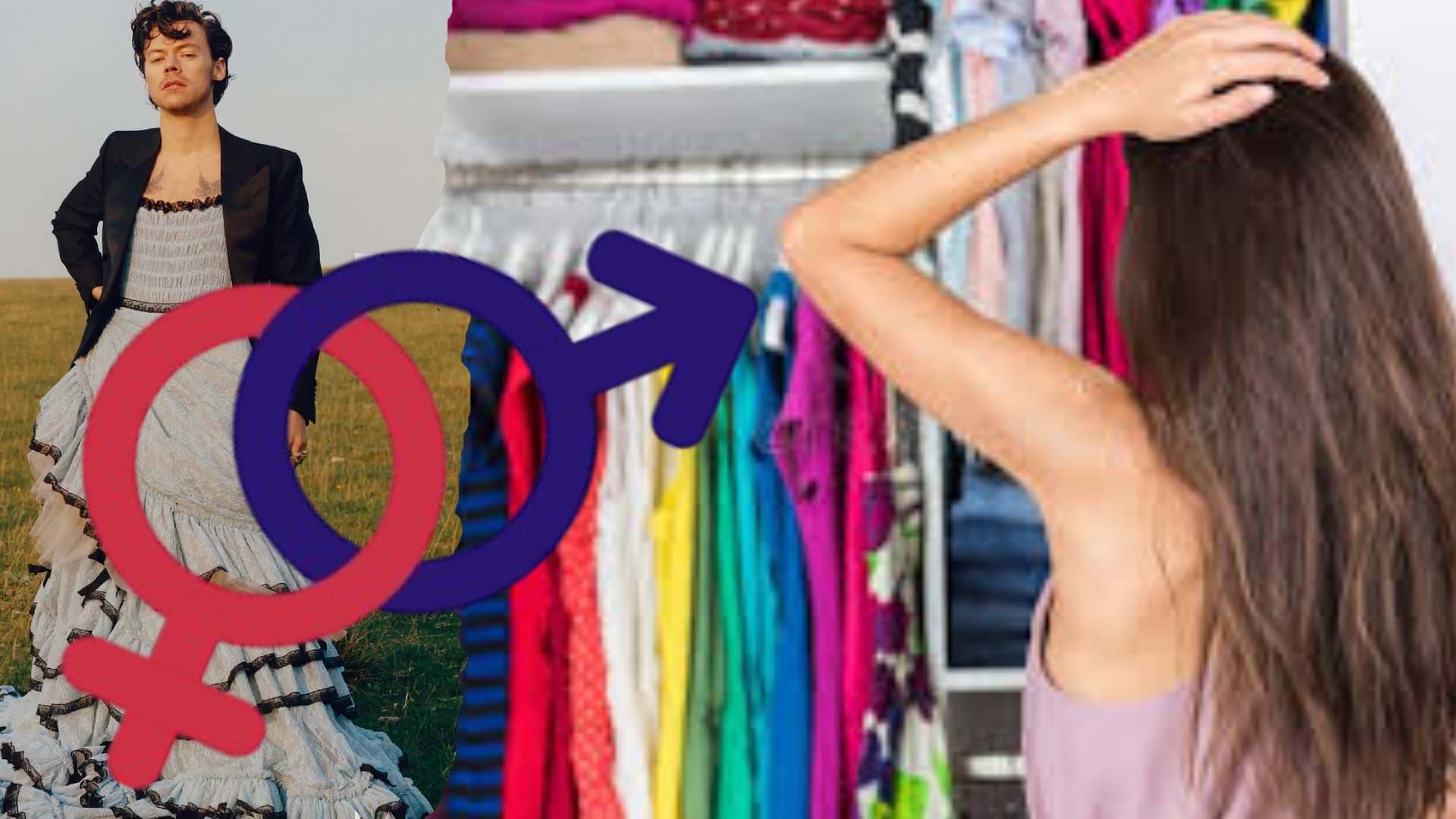
Bhubaneswar, Nov 27: In an age when social media arguments flare up faster than kettle water, gender fluidity has become a favourite battleground for self-styled liberals and conservatives. Everyone has an opinion on whether humans should ethically change their gender. But here’s a fun twist: plenty of creatures out there do not wait for a debate; they simply switch gender when nature demands it. Sounds wild, right? Zoology, however, treats it as just another Tuesday.
In the natural world, gender isn’t always a lifelong assignment. Some species -- from reef-famous clownfish to bright, showy wrasses and even a few amphibians -- treat gender as a functional role rather than a fixed identity. Their transformations are grounded in biology, not whimsy.
Clownfish are the poster children of this phenomenon. They live in tight-knit groups with one boss female running the show. If she dies, the biggest male steps up, literally, and turns into a female. This process, called sequential hermaphroditism, is driven by hormone shifts triggered by changes in social hierarchy. Marine biologists have documented how, when the dominant female disappears, hormonal suppression lifts and the next male in line takes her place.
Wrasses operate on a different script. Many species start life as females and later become males once they grow large and confident enough to defend territory. Some frogs and salamanders can also switch sex when environmental pressures -- like population imbalance -- make it advantageous.
In the natural world, gender isn’t always a lifelong assignment. Some species -- from reef-famous clownfish to bright, showy wrasses and even a few amphibians -- treat gender as a functional role rather than a fixed identity. Their transformations are grounded in biology, not whimsy.
Clownfish are the poster children of this phenomenon. They live in tight-knit groups with one boss female running the show. If she dies, the biggest male steps up, literally, and turns into a female. This process, called sequential hermaphroditism, is driven by hormone shifts triggered by changes in social hierarchy. Marine biologists have documented how, when the dominant female disappears, hormonal suppression lifts and the next male in line takes her place.
Wrasses operate on a different script. Many species start life as females and later become males once they grow large and confident enough to defend territory. Some frogs and salamanders can also switch sex when environmental pressures -- like population imbalance -- make it advantageous.

📱 Get Argus News App
✨📰 60 Word News🎬 Argus Podcast📺 Live TV and Breaking News🔔 Free Notification Alerts
Download Free:
In a nutshell, it can be attributed that hormones, environment, stress, and nutrition -- these influence all living organisms, including us.
Nature also offers relatable hacks for understanding our own health shifts:
Clownfish and hormones: Their hormones jump in response to social cues; ours respond to sleep, diet, stress and the people around us. Feeling “off” is often just our body recalibrating.
Wrasses and life phases: Their transition mirrors how humans evolve through puberty, parenthood, menopause or ageing—each stage guided by internal chemical signals.
Amphibians and environment: Frogs respond dramatically to environmental stress; humans aren’t too different when pollution, burnout or erratic routines affect our endocrine system.
Also Read: Doctors Reveal the Biggest Misconception Women Still Believe About Their Sexual Health
Nature also offers relatable hacks for understanding our own health shifts:
Clownfish and hormones: Their hormones jump in response to social cues; ours respond to sleep, diet, stress and the people around us. Feeling “off” is often just our body recalibrating.
Wrasses and life phases: Their transition mirrors how humans evolve through puberty, parenthood, menopause or ageing—each stage guided by internal chemical signals.
Amphibians and environment: Frogs respond dramatically to environmental stress; humans aren’t too different when pollution, burnout or erratic routines affect our endocrine system.
Also Read: Doctors Reveal the Biggest Misconception Women Still Believe About Their Sexual Health
So next time your body feels like it’s going through a plot twist, just remember: nature has been remixing biology long before humans started arguing about it online.
Related Topics
Explore more stories