



Health Update / Deadly Brain Cancer Can Alter Skull, Immune Response: Study
Key Points
Glioblastomas, the most lethal brain cancer, impact more than the brain.
Researchers at MECCC and Albert Einstein College of Medicine discovered that glioblastomas can erode the skull, change skull marrow composition, and disrupt immune function—revealing a broader, more aggressive disease mechanism than previously understood.
This marks a significant breakthrough.
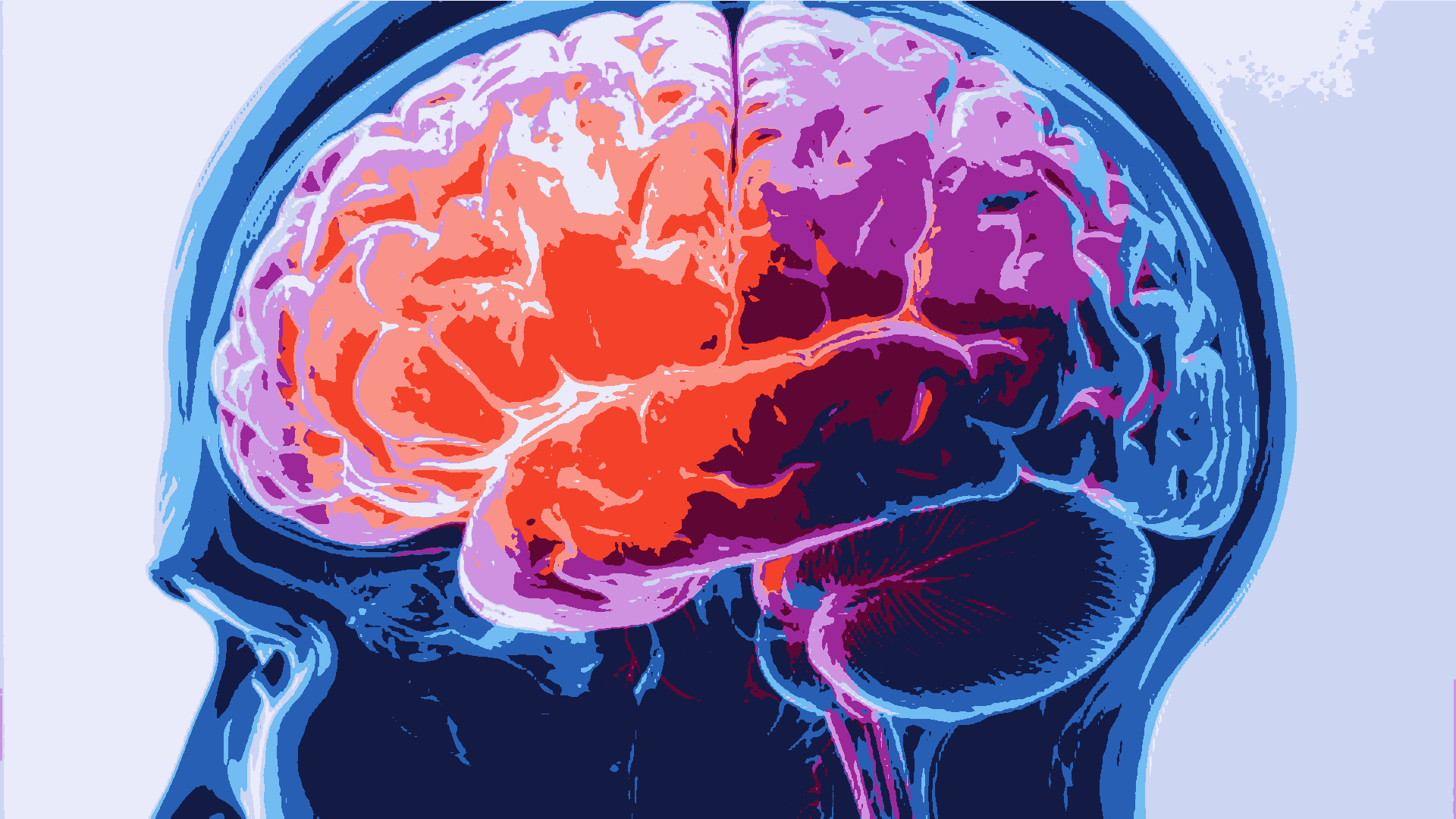
New Delhi, Oct 4: Glioblastomas -- the deadliest form of brain cancer -- affect much more than just the brain, scientists have found.
A team from the Montefiore Einstein Comprehensive Cancer Center (MECCC) and Albert Einstein College of Medicine has found the first evidence to show that glioblastoma can erode the skull, alter the makeup of skull marrow, and interfere with the body's immune response.

📱 Get Argus News App
✨Importantly, drugs intended to inhibit skull-bone loss made the cancer more aggressive, according to results published in the journal Nature Neuroscience.
"Our discovery that this notoriously hard-to-treat brain cancer interacts with the body's immune system may help explain why current therapies -- all of them dealing with glioblastoma as a local disease -- have failed, and it will hopefully lead to better treatment strategies," said corresponding author Jinan Behnan, Assistant Professor, Department of Neurological Surgery and in the department of microbiology and immunology at Einstein.
The median survival of glioblastoma patients who receive standard treatment of surgery, chemotherapy, and radiation is approximately 15 months.
As is true for many other bones, the skull contains marrow in which immune cells and other blood cells form.
Using advanced imaging techniques on mice that developed two different types of glioblastomas, the team found that the tumours caused skull bones to erode, especially along the sutures where skull bones fuse.
Such erosions seem to be unique to glioblastoma and other malignant intracranial tumours, since they don't occur with strokes, other types of brain damage, or even other systemic cancers.
Computerised-tomography (CT) images of patients with glioblastoma revealed that decreases in skull thickness were present in the same anatomic areas as in mice.
Also Read: Poor Air Quality May Worsen Sleep Apnoea: Study
The skull erosions in the mice increased the number and diameter of the skull-to-bone channels. The researchers hypothesised that these channels might allow the glioblastoma to transmit signals to the skull marrow that could profoundly change its immune landscape.
Further, the team found that glioblastoma activated several genes in the skull marrow that boosted production of inflammatory immune cells, but in femur marrow, the cancer suppressed genes needed to produce several types of immune cells.
Notably, they found that administering US FDA-approved anti-osteoporosis drugs (zoledronic acid and denosumab) that prevent bone loss can halt skull erosion. However, zoledronic acid fuelled tumour progression in one type of glioblastoma. Both drugs also blocked the beneficial effects of anti-PD-L1 -- an immunotherapy drug that boosts levels of tumour-fighting T cells.
(IANS)
Related Topics
Explore more stories