



Trade War / US Slaps 130% Tariffs as China Tightens Rare Earth Exports
Key Points
President Trump announces 100% additional tariffs on Chinese imports, raising total duties to 130%, following China’s expanded export controls on rare earth elements.
China tightens restrictions on rare earth technologies and the US responds with new export controls on critical software and port fees targeting Chinese vessels.
Experts warn of rising costs for EVs, wind turbines, and semiconductors, with potential stagflation risks and supply chain shifts toward India, Vietnam, and Mexico.
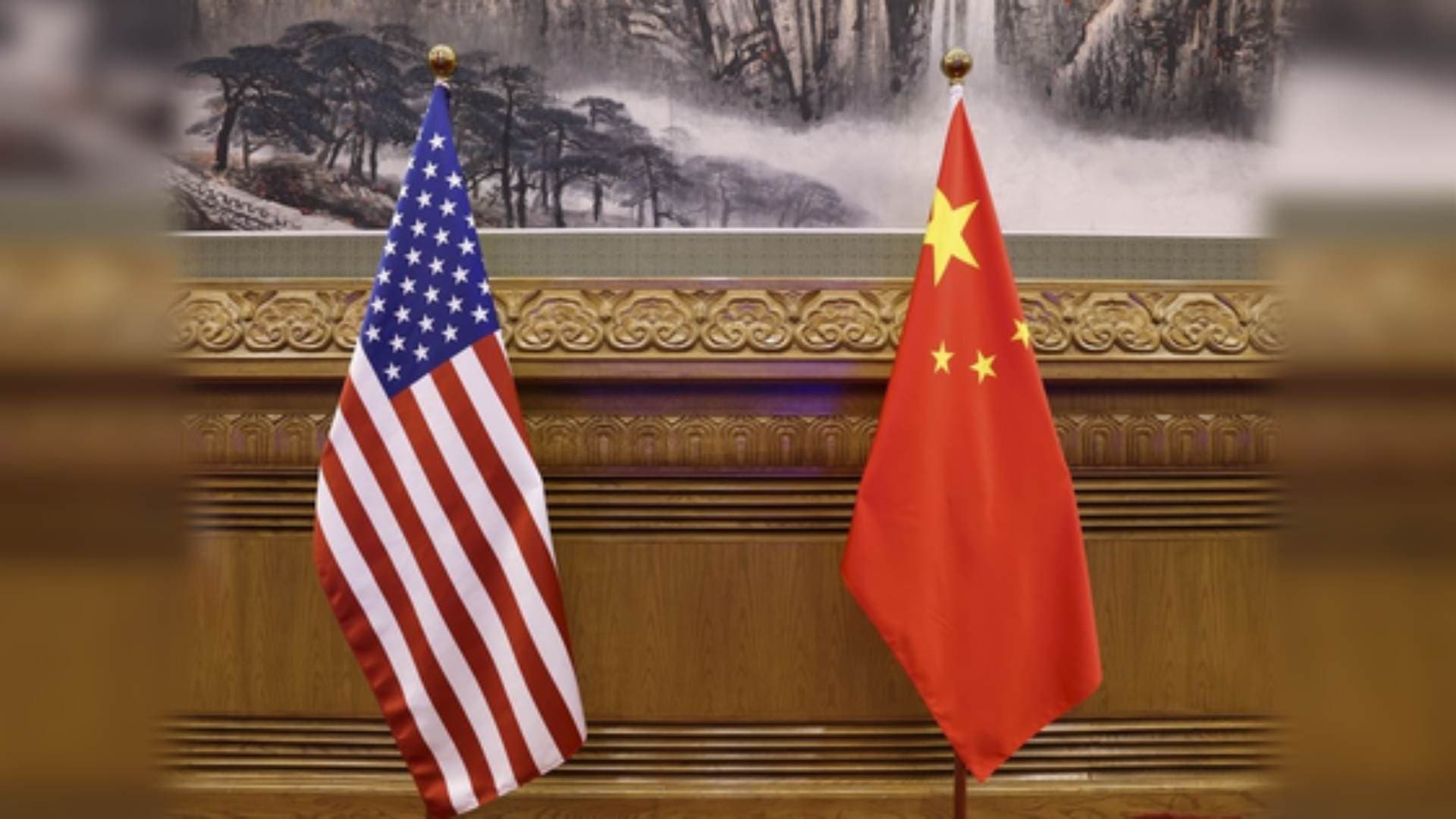
New Delhi, Oct 11: After a period of relative calm, with four major rounds of trade negotiations between the United States and China since May that saw at least two instances of freezing tariffs at previous rates (30 per cent), a renewed tariff war is brewing between the world's two largest economies.
This follows US President Donald Trump, who unveiled a 100 per cent additional tariff on Chinese imports after Beijing announced new export controls on additional rare earth elements.

📱 Get Argus News App
✨Alongside, Trump has also rolled out new export controls on critical software. China already had placed regulations on exports of some rare earths, but on Thursday, October 9, it added five more, with the commerce ministry announcing that to safeguard national security and interests, the ministry will impose export controls on rare earth-related technologies, including rare earth mining, smelting and separation, magnetic material manufacturing, and rare earth secondary resource recycling.
Also read: Delhi-Kabul to Expand Trade Relations
Six months earlier, the ministry had announced export controls on seven medium and heavy-rare-earth elements. Exporters were required to obtain licenses for such materials, which are crucial for various high-tech applications, including electric vehicles, defence systems, and renewable energy technologies.
China’s dominance in the rare earth market is significant, controlling approximately 90 per cent of global refining capacity and a substantial portion of mining production.
President Trump retaliated by announcing an additional tariff on all Chinese imports, raising the total tariff burden to 130 per cent, effective November 1.
The new export controls on US-made critical software will, meanwhile, further tighten tech flows between the two countries. There is another move turning the trade waters choppy at the respective ports.
New service fees under the Office of the US Trade Representative will take effect beginning October 14. These fees are said to be part of a “Section 301 action” targeting Chinese-owned, operated, and built vessels, as well as non-US-built vehicle carriers.
"The United States has consistently overstretched the concept of national security, abused export control measures, and arbitrarily exercised long-arm jurisdiction, imposing penetrative sanctions on multiple entities, including those from China," government-controlled news website People’s Daily reported on October 11, quoting a statement from its commerce ministry.
The ministry also claimed that China's countermeasures against the US’s additional port fees on Chinese ships are "legitimate defence" aimed at maintaining a “fair competition environment” in the international shipping and shipbuilding markets.
The new wave now poses a question over a potential fifth round of negotiations, expected when Trump travelled to South Korea for the Leaders of the Asia-Pacific Economic Cooperation (APEC) summit, where he was scheduled to meet Chinese President Xi Jinping.
The US President has already questioned the need for the meeting, hinting at a possible cancellation. The re-ignition of the trade war has sent shockwaves through global markets.
According to a report by the Global Trade Research Initiative (GTRI), the new tariffs and export controls will likely lead to higher prices for electric vehicles, wind turbines, and semiconductors, as supply chains scramble to adjust.
Economists have warned that the escalation could trigger a global stagflationary cycle, especially if other countries are forced to choose sides or impose their own countermeasures.
“The impact will be felt quickly,” the GTRI report states. “Prices of EVs, wind turbines, and semiconductor parts are expected to rise, while the US will try to source alternatives from India, Vietnam, and Mexico.”
(IANS)
Related Topics
Explore more stories