



Transatlantic Rift / US Signals Possible NATO Withdrawal amid Rising Tensions with Iran
Key Points
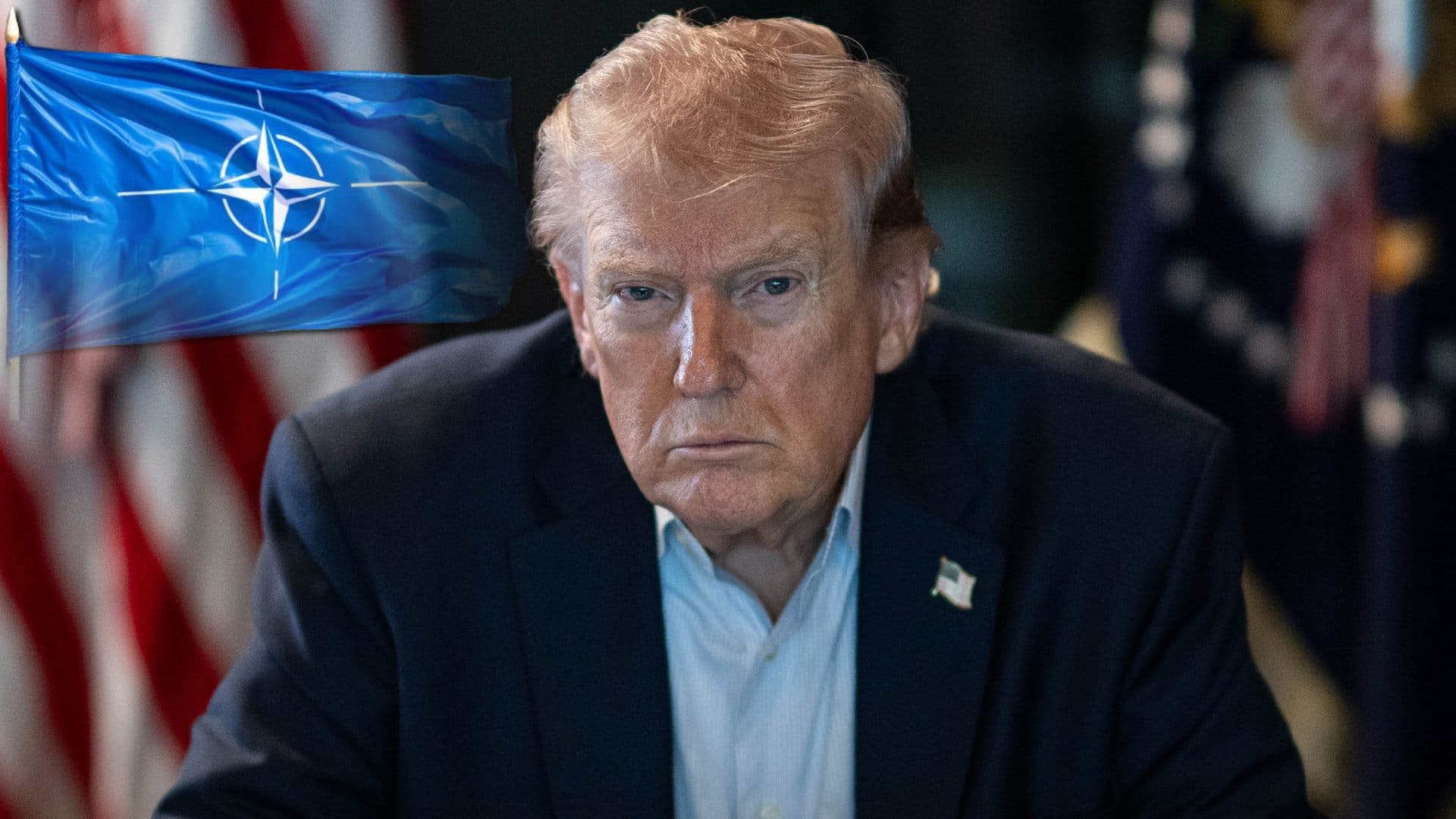
Donald Trump and Marco Rubio question NATO’s future after the Iran conflict, criticising European allies and signalling a possible US withdrawal, deepening transatlantic tensions over burden‑sharing and military cooperation.
Washington, Apr 1: US President Donald Trump
is weighing a potential US withdrawal from NATO, a position reinforced by
Secretary of State Marco Rubio, who said Washington may “re-examine” the
alliance after the Iran conflict amid growing tensions with European allies.
Rubio signalled a possible shift in US strategy,
questioning the value of NATO if allies restrict American military
operations. “I think there’s no doubt… we are going to have to re-examine that
relationship,” he told Fox News in an interview.
He criticised allies for denying access to bases during the
conflict. “If NATO is just about us defending Europe… but them denying us
basing rights when we need them, that’s not a very good arrangement,” Rubio
said, warning the alliance risks becoming a “one-way street.”
Also read: Japan Fans Wins Heart after Win over England at Wembley
Trump has taken a sharper line, saying he is seriously considering pulling the United States out of NATO after allies declined to join his campaign against Iran. In an interview to The Telegraph, he described the alliance as a “paper tiger” and said withdrawal was “beyond reconsideration.”
He was asked if he would reconsider the US’s membership of NATO after the conflict. He replied: “Oh yes, I would say [it’s] beyond reconsideration. I was never swayed by NATO. I always knew they were a paper tiger, and Putin knows that too, by the way,” the US President told the British daily.

📱 Get Argus News App
✨He also criticised European partners for failing to support US efforts to secure the Strait of Hormuz, a vital global energy route. Allies have been reluctant to deploy naval forces despite US requests, fuelling frustration in Washington.
The administration has framed the NATO dispute within the broader context of the Iran conflict, where the US says it is close to achieving its military objectives. Rubio said forces are “on or ahead of schedule” in dismantling Iran’s air force, navy, missile launchers and defence industrial base.
“We are very, very close to achieving our objectives,” he
said, adding that the campaign would make it “nearly impossible” for Iran to
develop a nuclear weapon in the near term.
Also read: Trump Warns US Could 'Obliterate' Iran's Key Infrastructure If Strait Of Hormuz Not Reopened
European leaders have pushed back. British Prime Minister Keir Starmer reaffirmed support for NATO, calling it “the single most effective military alliance the world has ever seen,” and made clear that the UK would not be drawn into the Iran conflict.
The remarks underscore a widening transatlantic rift, with Washington questioning burden-sharing and operational support from allies during a major conflict outside Europe.
NATO, founded in 1949, has long been the cornerstone of US-European security cooperation, built around the principle of collective defence under Article 5. However, that clause applies only when a member is attacked, and not to external conflicts such as the current Iran war.
(IANS)
Related Topics
Explore more stories