



Iran US War / Trump Warns US Could 'Obliterate' Iran's Key Infrastructure If Strait Of Hormuz Not Reopened
·5 months ago·2 min read
Key Points
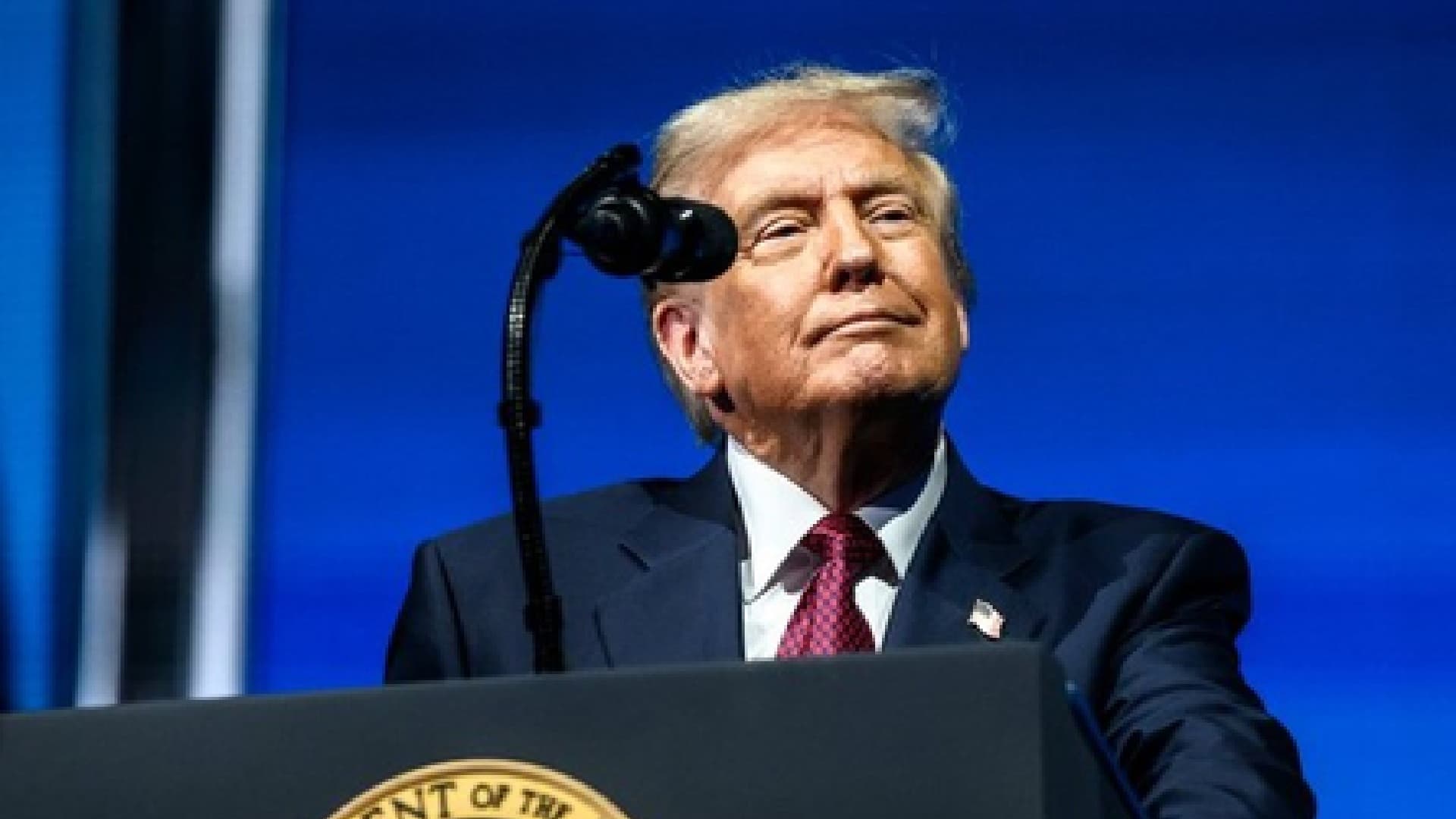
Donald Trump warned the US could "obliterate" Iran's key infrastructure, including electricity plants, oil wells, and Kharg Island, if the Strait of Hormuz is not reopened.
Washington, Mar 31: Donald Trump warned that the United States could “obliterate” Iran’s key infrastructure if the Strait of Hormuz is not reopened, sharply escalating tensions in the ongoing conflict.
In a social media post, Trump said Washington was making “serious progress” in talks with a “more reasonable regime” in Tehran, even as Iran denied any direct negotiations.
Kharg Island, Energy Assets In Crosshairs
Trump indicated that US forces could target critical infrastructure, including electricity plants, oil wells, desalination facilities and the strategic Kharg Island, which serves as a major oil export hub.
He had earlier suggested that American troops could even seize the island, signalling a potential expansion of military objectives beyond airstrikes.
In a social media post, Trump said Washington was making “serious progress” in talks with a “more reasonable regime” in Tehran, even as Iran denied any direct negotiations.
Kharg Island, Energy Assets In Crosshairs
Trump indicated that US forces could target critical infrastructure, including electricity plants, oil wells, desalination facilities and the strategic Kharg Island, which serves as a major oil export hub.
He had earlier suggested that American troops could even seize the island, signalling a potential expansion of military objectives beyond airstrikes.

📱 Get Argus News App
✨📰 60 Word News🎬 Argus Podcast📺 Live TV and Breaking News🔔 Free Notification Alerts
Download Free:
Also Read: Trump Wants Arab Nations to Help Fund US-Israeli War Against Iran, Says White House
Iran Rejects Talks, Mocks US Claims
Iranian leadership pushed back against claims of ongoing negotiations, with parliament speaker Mohammad Bagher Qalibaf dismissing the reports and suggesting they were being used to justify increased US military deployment in the region.
Tehran has consistently denied engaging in direct talks, despite repeated assertions from Washington.
Region Under Fire As Conflict Widens
The conflict intensified further with Iran launching strikes across the region, including an attack on a power and desalination plant in Kuwait. Israel also reported fresh strikes on its oil infrastructure.
Rising hostilities have led to widespread fears of a broader regional war, with multiple countries now directly or indirectly affected.
Global Oil Routes Disrupted
The Strait of Hormuz remains central to the crisis, as nearly a fifth of the world’s oil supply passes through the narrow waterway.
Its continued disruption has already pushed global fuel prices higher, raising concerns over a prolonged energy crisis.
Iran Rejects Talks, Mocks US Claims
Iranian leadership pushed back against claims of ongoing negotiations, with parliament speaker Mohammad Bagher Qalibaf dismissing the reports and suggesting they were being used to justify increased US military deployment in the region.
Tehran has consistently denied engaging in direct talks, despite repeated assertions from Washington.
Region Under Fire As Conflict Widens
The conflict intensified further with Iran launching strikes across the region, including an attack on a power and desalination plant in Kuwait. Israel also reported fresh strikes on its oil infrastructure.
Rising hostilities have led to widespread fears of a broader regional war, with multiple countries now directly or indirectly affected.
Global Oil Routes Disrupted
The Strait of Hormuz remains central to the crisis, as nearly a fifth of the world’s oil supply passes through the narrow waterway.
Its continued disruption has already pushed global fuel prices higher, raising concerns over a prolonged energy crisis.
Related Topics
Explore more stories