



US Travel Ban / US Expands Travel Ban: The Countries Affected and Why It Matters
Key Points
- The proclamation adds 20 more countries and the Palestinian Authority, significantly widening limits on who can visit or immigrate to the US.
- Five countries now face a full ban, while 15 others face partial restrictions, with exemptions for valid visa holders, diplomats, and certain categories.
- The administration linked the expansion to vetting challenges, instability, visa overstays, and recent security incidents.
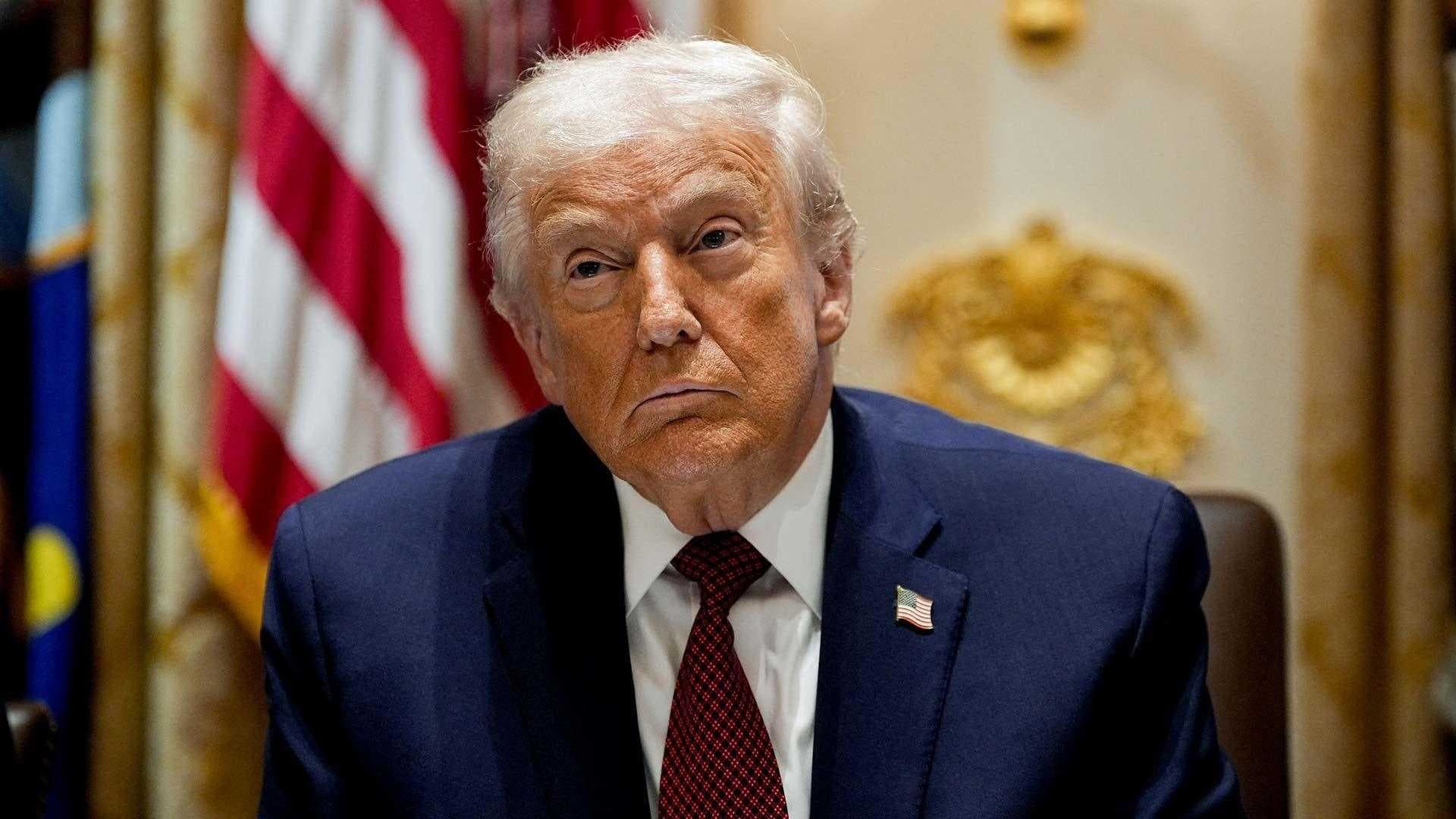
Washington, Dec 17: US President Donald Trump signed a proclamation to expand US travel restrictions, adding 20 more countries and the Palestinian Authority to the list.
The move sharply widens limits on who can visit or immigrate to the United States.

📱 Get Argus News App
✨Five countries now face a full travel ban to the US. Another 15 countries face partial restrictions. The administration also fully restricted travel by people using Palestinian Authority-issued travel documents.
The White House said the decision is part of its effort to
tighten US entry standards. Officials linked the move to security concerns.
They cited the recent arrest of an Afghan national accused of the shooting of
two National Guard troops near the White House over Thanksgiving weekend.
Also read: Photo from inside Puri Jagannath Temple Goes Viral
The restrictions include several exemptions. People who already hold valid US visas are exempt. Lawful permanent residents are exempt. Diplomats, athletes, and some other visa holders are exempt. Entry may also be allowed if it serves US interests. The administration did not say when the new measures will take effect.
Trump announced the original round of restrictions in June. At that time, citizens of 12 countries were barred from entering the US. Nationals of seven other countries faced partial limits. The move revived a signature policy from Trump’s first term.
The June ban covered Afghanistan, Myanmar, Chad, the Republic of Congo, Equatorial Guinea, Eritrea, Haiti, Iran, Libya, Somalia, Sudan, and Yemen. Partial restrictions were imposed on Burundi, Cuba, Laos, Sierra Leone, Togo, Turkmenistan, and Venezuela.
On Tuesday, the administration added Burkina Faso, Mali, Niger, South Sudan, and Syria to the full-ban list. It also imposed a complete restriction on travel by people holding Palestinian Authority-issued documents. South Sudan had already been under significant limits.
Another 15 countries were added to the partial-restriction list. They are Angola, Antigua and Barbuda, Benin, the Ivory Coast, Dominica, Gabon, Gambia, Malawi, Mauritania, Nigeria, Senegal, Tanzania, Tonga, Zambia, and Zimbabwe.
The restrictions apply to visitors and immigrants. They affect people seeking short-term travel and those seeking permanent entry.
In his proclamation, Trump said many of the affected countries have “widespread corruption, fraudulent or unreliable civil documents and criminal records.”
It said these problems make it hard to properly vet travelers. Officials also cited high visa overstay rates. They said some governments refuse to take back citizens that the US wants to deport.
They pointed to instability and weak government control in some countries. Immigration enforcement, foreign policy, and national security concerns were also cited in the national travel ban.
The administration also changed earlier restrictions. Laos and Sierra Leone were moved from partial limits to full suspensions. In contrast, Turkmenistan saw some easing of restrictions. The administration said the country had made improvements. All other provisions announced in June remain in place.
The new measures against Palestinians go further than earlier steps. In recent months, restrictions already made it nearly impossible for holders of Palestinian Authority passports to obtain US travel documents for business, work, education, or tourism. The new decision bars them from emigrating to the US.
According to the proclamation, several “US-designated terrorist groups operate actively in the West Bank or Gaza Strip and have murdered American citizens.”
It said the recent war likely weakened vetting and screening capabilities in those areas, as well as the national travel ban.
Travel bans became a defining issue during Trump’s first term, sparking protests and legal challenges. Courts later upheld revised versions. Supporters say it protects national security. Critics say it unfairly targets people based on where they are from.
(IANS)
Related Topics
Explore more stories