



West Asia Conflict / US and Iran Sign Landmark MoU to End Hostilities, Reopen Strait of Hormuz
Key Points
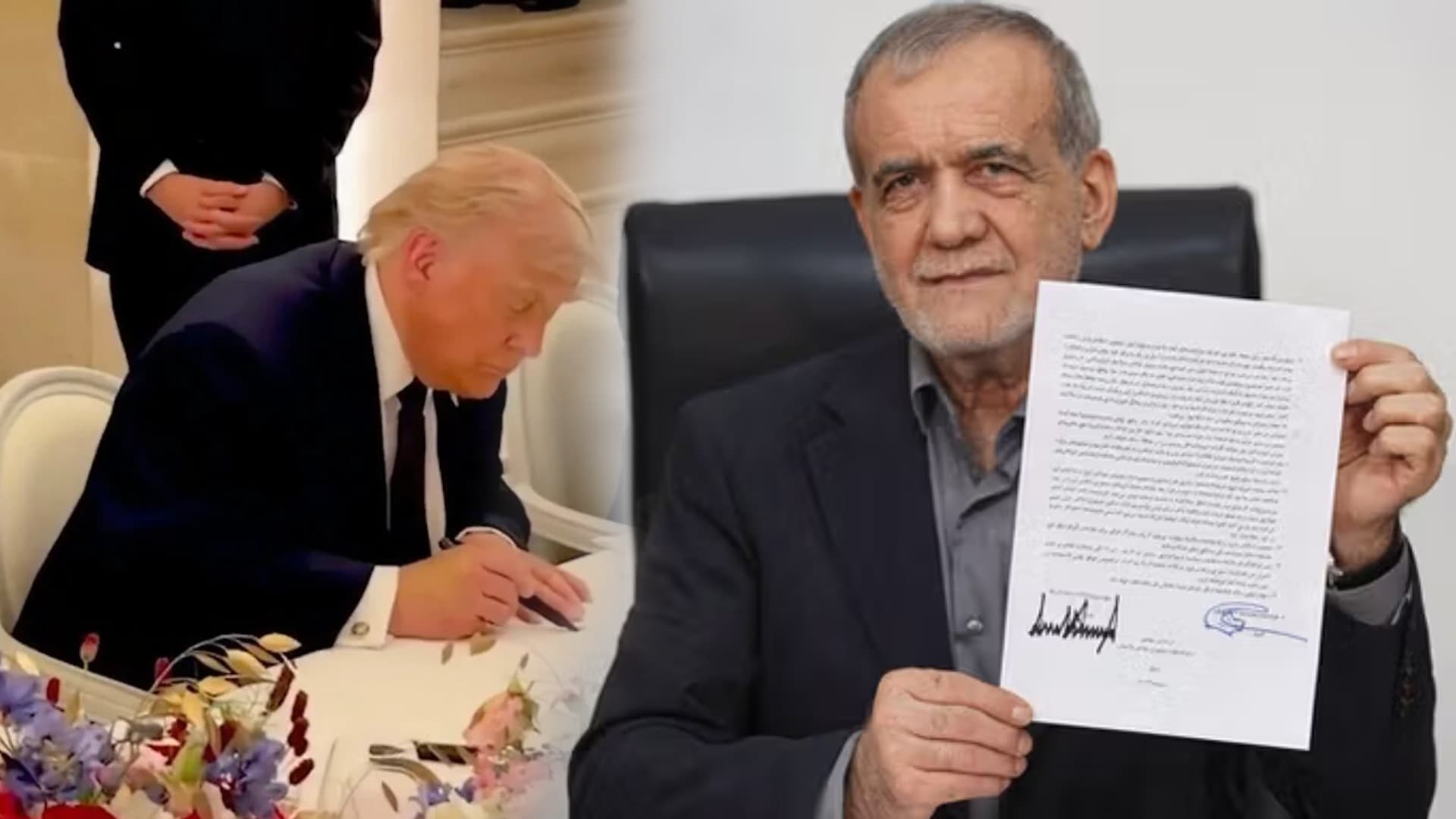
Donald Trump and Masoud Pezeshkian signed a landmark 14‑point MoU, halting hostilities, reopening the Strait of Hormuz, and launching a 60‑day process toward a comprehensive peace treaty and sanctions relief.
Washington, Jun 18: US President Donald Trump and Iranian President Masoud Pezeshkian have virtually signed a landmark 14‑point memorandum of understanding to end hostilities and pave the way for a comprehensive peace treaty.
Dubbed the Islamabad Memorandum of Understanding, the agreement was signed on Wednesday, with Trump personally endorsing it during a meeting with French President Emmanuel Macron in Paris, while Pezeshkian signed virtually. The framework took immediate effect and sets a strict 60‑day timeline to negotiate a final binding treaty, extendable by mutual consent.
At its core, the MoU mandates an immediate and permanent cessation of military operations, including in Lebanon, and outlines a structured ceasefire arrangement involving Israel and Hezbollah. The United States will dismantle its naval blockade, while Iran will guarantee safe passage of commercial vessels through the Strait of Hormuz free of charge for an initial 60‑day period.

📱 Get Argus News App
✨Economic provisions are extensive. The framework proposes phased sanctions relief, the release of frozen Iranian assets, and Treasury waivers for Iranian oil exports. It also envisions a US‑backed reconstruction and development programme for Iran worth at least USD 300 billion.
On the nuclear front, Iran reaffirmed its commitment not to develop or acquire nuclear weapons. Discussions on enriched uranium stockpiles will be held under the supervision of the International Atomic Energy Agency. A senior US official described the deal as a “dial for relief,” allowing Washington to increase economic incentives in response to Iran’s compliance.
“This agreement opens the Strait of Hormuz immediately, commits Iran to destroying nuclear dust, and creates a mechanism where good behaviour is rewarded with prosperity,” the official told CNN.
Iranian Foreign Ministry spokesperson Esmaeil Baghaei confirmed the finalisation of the text, noting that consultations with Oman preceded the agreement. He stressed that safe maritime passage would be guaranteed while preserving Iran’s sovereignty over the Strait of Hormuz.
The framework follows months of escalating conflict across
the Middle East and is seen as a turning point in US‑Iran
relations. By addressing maritime blockades, uranium enrichment, and regional
ceasefires, the MoU lays the groundwork for a comprehensive treaty that could
reshape the geopolitical landscape of the region.
Related Topics
Explore more stories