



Geopolitics / The Red Sea Isn’t Red - But Why It’s Called So Matters More Than Ever Amid Iran–America Tensions
·6 months ago·3 min read
Key Points
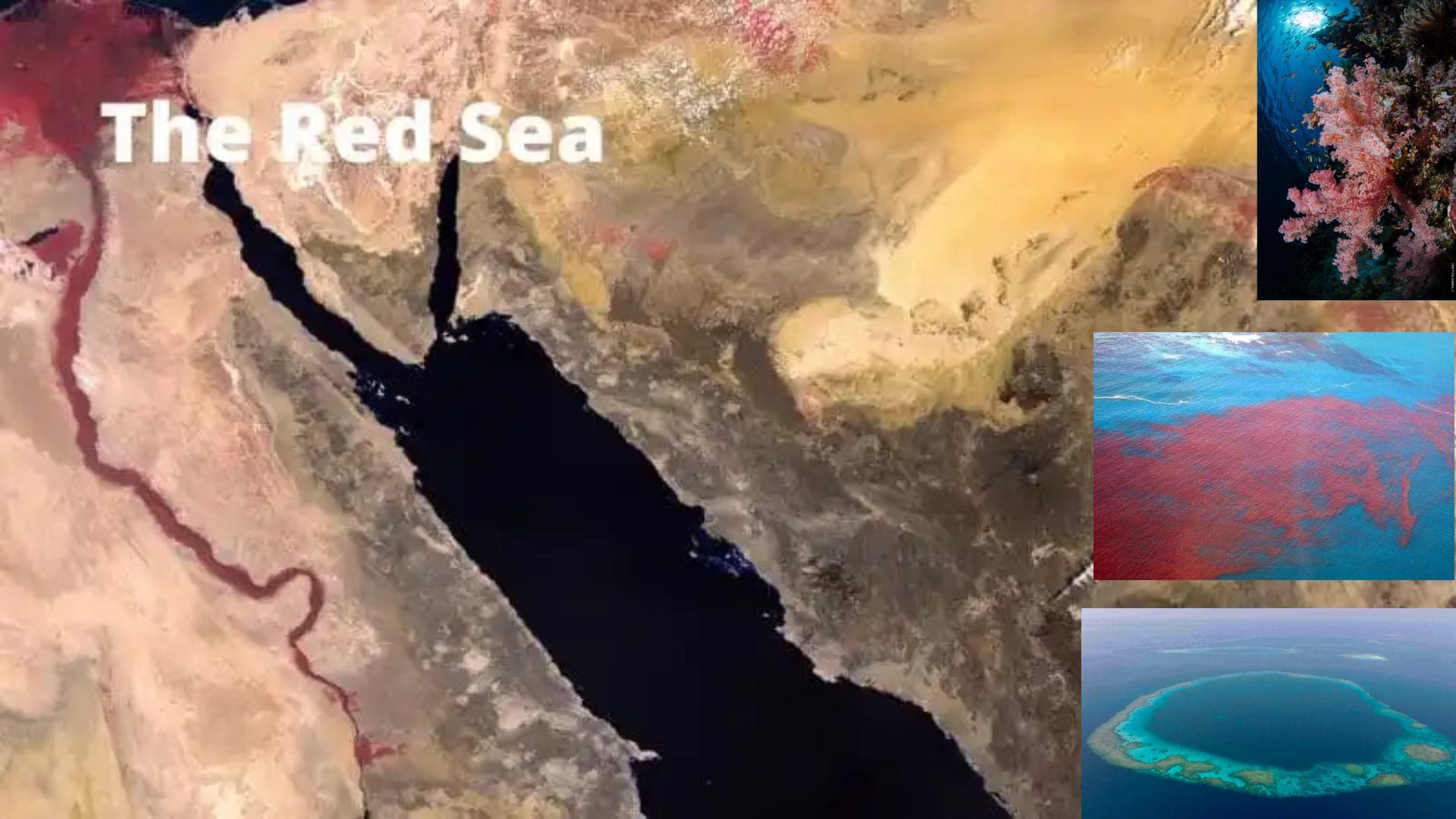
The Red Sea may not actually be red in color, but its name carries centuries of mystery—from algae blooms to mountain reflections and ancient translations. Today, this legendary waterway, along with the Strait of Hormuz, has become a modern geopolitical hotspot as the Iran–America conflict intensifies
Middle East, Apr 2: As the war between Iran and America escalates, the Middle East’s waterways have become the centre of global attention. The Strait of Hormuz and the Red Sea are not only vital for oil shipments and military strategy but also for the hidden arteries of the internet, with undersea fibre-optic cables carrying nearly all of the world’s international data traffic. These seas, once celebrated for trade and history, are now strategic flashpoints in modern geopolitics.
Yet beyond today’s conflict lies a fascinating question: Why is the Red Sea called the Red Sea, when its waters are blue and turquoise?
Mountain Reflections: The reddish Hijaz Mountains bordering the sea could have cast a red glow on the waters at sunrise or sunset, inspiring the name.
Coral Reefs: The vibrant reddish corals beneath the surface may have contributed to the association.
Biblical Influence: Early Greek translations of the Bible used “Red Sea” instead of “Sea of Reeds,” cementing the name in Western culture.
Today, however, the Red Sea’s name carries more than mystery—it represents vulnerability. With Iran-backed Houthis threatening fibre-optic cables in the region and the Strait of Hormuz at the heart of global oil and internet routes, these waters symbolize both ancient wonder and modern risk.
Read More: Beneath The Waves: How Middle East Conflict Could Slow India's Internet
The Red Sea may not be red in color, but its name endures as a reminder of history’s poetic observations. In 2026, it also stands as a warning: the seas that once inspired legends are now at the centre of geopolitical conflict, shaping the future of global connectivity.Beyond its poetic past, the Red Sea now symbolizes both history and vulnerability, with vital undersea cables and global trade routes making it central to the world’s digital and economic lifelines.
Yet beyond today’s conflict lies a fascinating question: Why is the Red Sea called the Red Sea, when its waters are blue and turquoise?
Historians and scientists have explored several theories:
Seasonal Algae Bloom: The most widely accepted explanation points to Trichodesmium erythraeum, a type of algae that occasionally blooms, turning the water reddish-brown. Ancient Greek sailors likely witnessed this and named it Erythra Thalassa—literally “Red Sea.”
Directional Symbolism: In ancient Semitic languages, colors were linked to directions. “Red” symbolized south, so the “Red Sea” may have simply meant “Southern Sea.”Mountain Reflections: The reddish Hijaz Mountains bordering the sea could have cast a red glow on the waters at sunrise or sunset, inspiring the name.
Coral Reefs: The vibrant reddish corals beneath the surface may have contributed to the association.
Biblical Influence: Early Greek translations of the Bible used “Red Sea” instead of “Sea of Reeds,” cementing the name in Western culture.
Today, however, the Red Sea’s name carries more than mystery—it represents vulnerability. With Iran-backed Houthis threatening fibre-optic cables in the region and the Strait of Hormuz at the heart of global oil and internet routes, these waters symbolize both ancient wonder and modern risk.
Read More: Beneath The Waves: How Middle East Conflict Could Slow India's Internet
The Red Sea may not be red in color, but its name endures as a reminder of history’s poetic observations. In 2026, it also stands as a warning: the seas that once inspired legends are now at the centre of geopolitical conflict, shaping the future of global connectivity.Beyond its poetic past, the Red Sea now symbolizes both history and vulnerability, with vital undersea cables and global trade routes making it central to the world’s digital and economic lifelines.

📱 Get Argus News App
✨📰 60 Word News🎬 Argus Podcast📺 Live TV and Breaking News🔔 Free Notification Alerts
Download Free:
Related Topics
Explore more stories