



Iran War: Pete Hegseth First To Suggest Iran Strike, Trump Reveals At Roundtable
·6 months ago·2 min read
Key Points
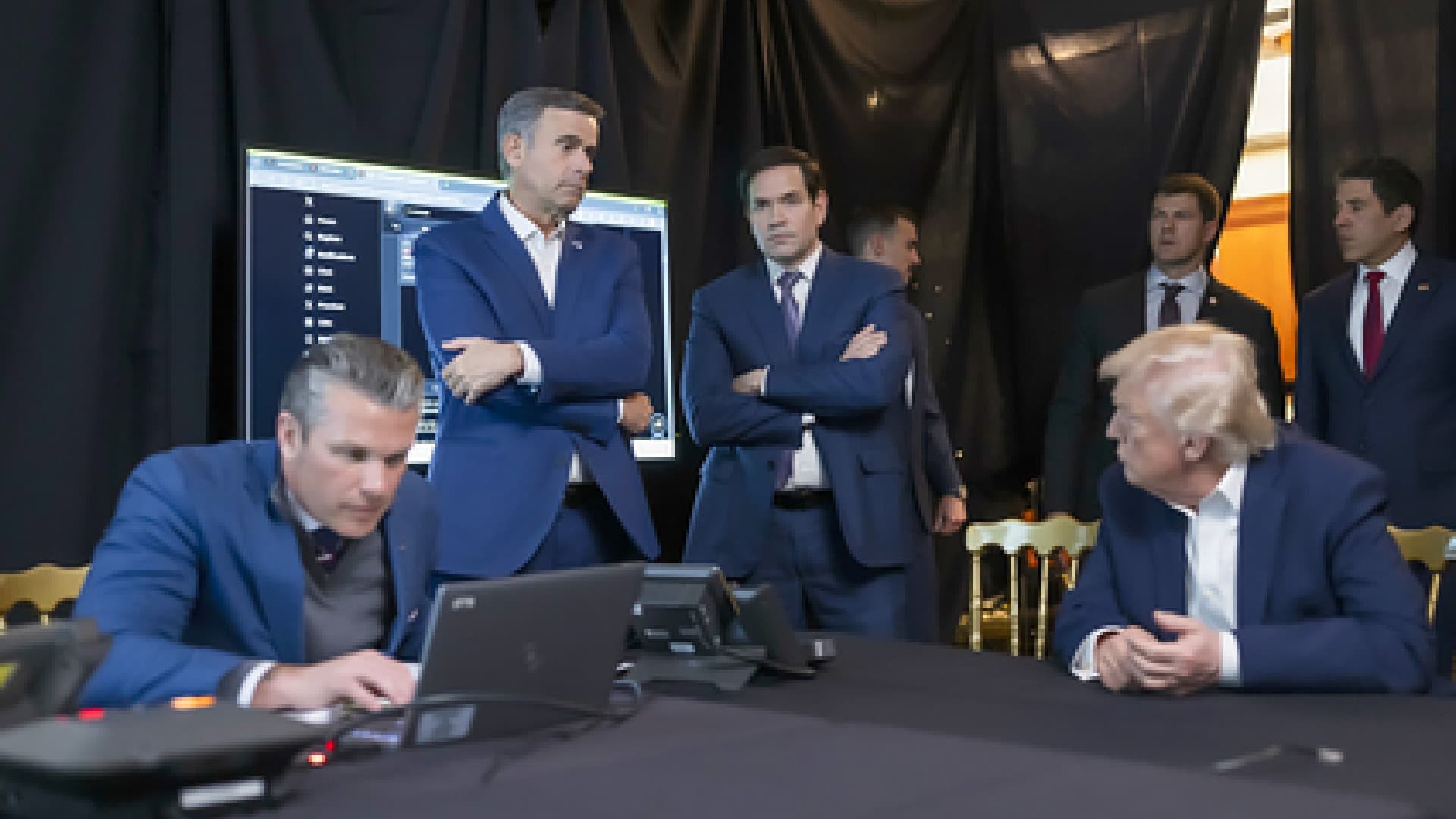
Donald Trump said Defence Secretary Pete Hegseth was the first to suggest military action against Iran, while Vice President JD Vance was less supportive.
Washington, Mar 24: US President Donald Trump said Monday that Defence Secretary Pete Hegseth was the first to suggest launching military action against Iran, indicating internal discussions within his administration ahead of the conflict.
Speaking at a Memphis Safe Task Force roundtable in Tennessee, Trump said he consulted multiple officials, including General Dan Caine, before deciding on a course of action.
“And Pete, I think you were the first one to speak up, and you said, ‘Let’s do it, because you can’t let them have a nuclear weapon,’” Trump said, addressing Hegseth.
Mixed Views Within Administration
Trump also said Vice President JD Vance was less supportive of military action.
According to a Bloomberg report, Israeli Prime Minister Benjamin Netanyahu and media executive Rupert Murdoch backed a tougher stance on Iran, while Secretary of State Marco Rubio and Chief of Staff Susie Wiles were more sceptical.
Speaking at a Memphis Safe Task Force roundtable in Tennessee, Trump said he consulted multiple officials, including General Dan Caine, before deciding on a course of action.
“And Pete, I think you were the first one to speak up, and you said, ‘Let’s do it, because you can’t let them have a nuclear weapon,’” Trump said, addressing Hegseth.
Mixed Views Within Administration
Trump also said Vice President JD Vance was less supportive of military action.
According to a Bloomberg report, Israeli Prime Minister Benjamin Netanyahu and media executive Rupert Murdoch backed a tougher stance on Iran, while Secretary of State Marco Rubio and Chief of Staff Susie Wiles were more sceptical.

📱 Get Argus News App
✨📰 60 Word News🎬 Argus Podcast📺 Live TV and Breaking News🔔 Free Notification Alerts
Download Free:
Former National Counterterrorism Centre head Joe Kent, who resigned last week, also claimed Israel had pushed the US toward the conflict.
Also Read: Oil Prices Surge Despite Trump’s Pause on Iran Strikes
Trump Cites Ongoing Talks, Iran Denies
Trump said the United States was having “very good” discussions with Tehran, though Iranian officials denied any negotiations.
Mohammad Bagher Qalibaf said, “No negotiations have been held with the US,” adding that such claims were “fake news” aimed at influencing financial and oil markets.
Strait of Hormuz Deadline Delayed
Trump on Monday delayed a deadline for Iran to reopen the Strait of Hormuz, where he had earlier threatened strikes on power infrastructure.
The move briefly eased market concerns, lowering oil prices and boosting stock markets.
Also Read: Oil Prices Surge Despite Trump’s Pause on Iran Strikes
Trump Cites Ongoing Talks, Iran Denies
Trump said the United States was having “very good” discussions with Tehran, though Iranian officials denied any negotiations.
Mohammad Bagher Qalibaf said, “No negotiations have been held with the US,” adding that such claims were “fake news” aimed at influencing financial and oil markets.
Strait of Hormuz Deadline Delayed
Trump on Monday delayed a deadline for Iran to reopen the Strait of Hormuz, where he had earlier threatened strikes on power infrastructure.
The move briefly eased market concerns, lowering oil prices and boosting stock markets.
The earlier warning had raised fears of disruptions to electricity supply and desalination systems across the Gulf region.
Conflict Continues to Escalate
The conflict has continued despite signals of possible diplomatic engagement.
Benjamin Netanyahu said Israel would continue strikes on Iran and Lebanon even as the US considers a ceasefire.
Iran launched multiple waves of missiles and drones targeting Israel and Gulf Arab states on Tuesday, with reported impacts in northern Israel, according to Israeli authorities.
Conflict Continues to Escalate
The conflict has continued despite signals of possible diplomatic engagement.
Benjamin Netanyahu said Israel would continue strikes on Iran and Lebanon even as the US considers a ceasefire.
Iran launched multiple waves of missiles and drones targeting Israel and Gulf Arab states on Tuesday, with reported impacts in northern Israel, according to Israeli authorities.
Related Topics
Explore more stories