



West Asia Conflict / Iran Reviews US Proposals, Trump Says Peace Talk in “Final Stages”
Key Points
Iran and the US continue indirect talks via Pakistan, with Iran demanding asset release and maritime security, while Trump insists on one full deal amid fragile ceasefire and regional tensions.
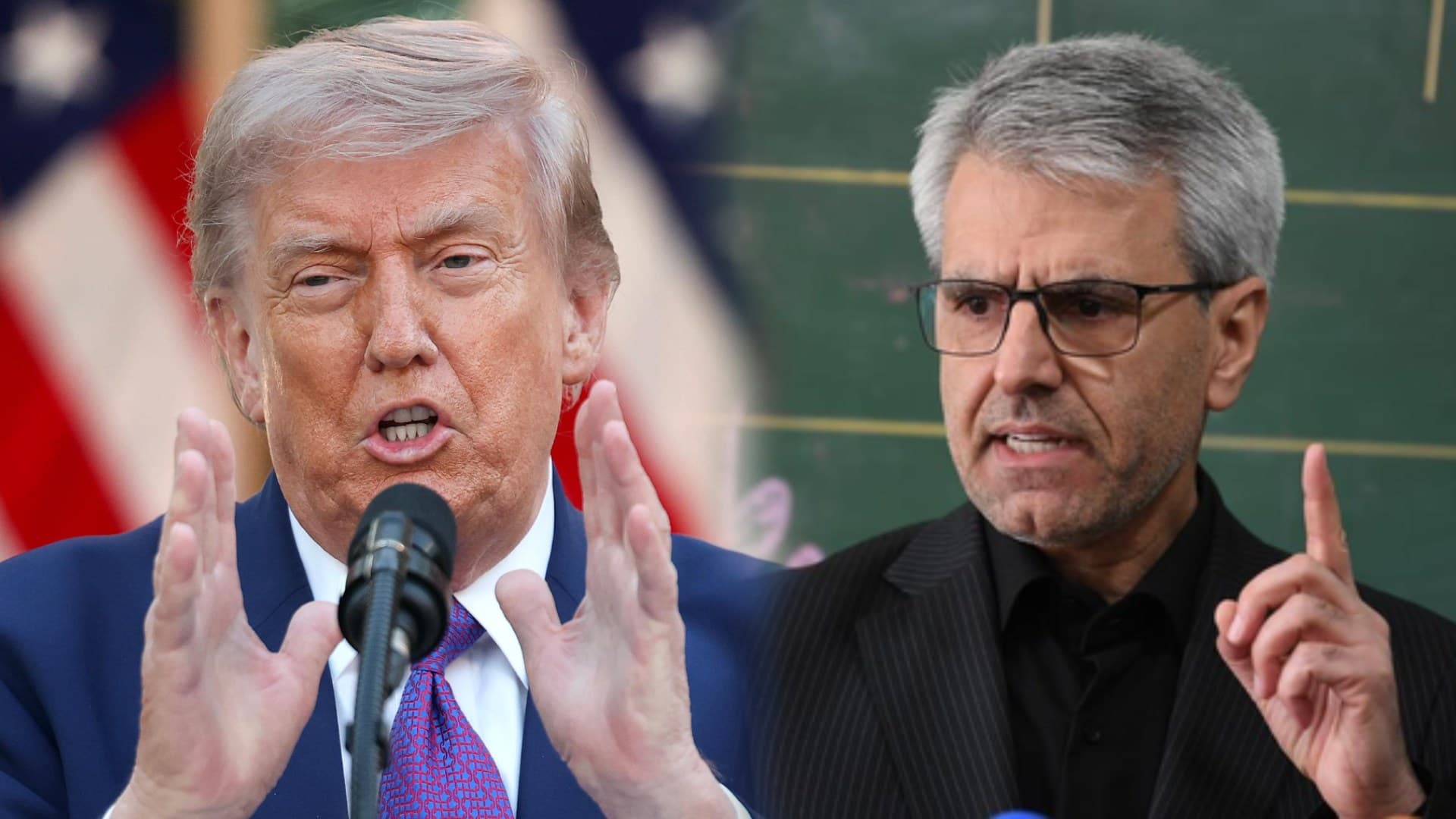
Tehran/Washington, May 21: Iranian Foreign Ministry spokesman Esmaeil Baghaei has confirmed that indirect communications between Tehran and Washington remain ongoing, facilitated by Pakistan as a mediator.
Speaking to state-run IRIB TV, Baghaei revealed that messages have been exchanged multiple times, with Iran carefully reviewing the latest US positions.
He emphasized that Iran’s diplomatic focus is on ending conflicts across the region, including Lebanon, while pressing for concrete demands such as the release of frozen Iranian assets and an end to what Tehran calls US “maritime piracy” and hostile actions against its shipping.
Baghaei stressed that Iran has entered the diplomatic process with “goodwill and seriousness,” but underscored Tehran’s deep distrust of Washington, citing what he described as America’s “very bad” record over the past 18 months.

📱 Get Argus News App
✨Also read: Iran Media Claims US to Waive Oil Sanctions
He also noted that Iran, in cooperation with Oman, is working to establish a mechanism to ensure “lasting security” in the Strait of Hormuz. According to him, Tehran is prepared to develop protocols for safe maritime traffic in coordination with other coastal states.
Citing a source close to Iran’s negotiation team, the semi-official Tasnim news agency reported that Washington recently submitted a new draft proposal after Iran presented its own 14-point plan three days earlier. The Pakistani mediator is currently in Tehran, attempting to reconcile the two sides’ drafts, though no agreement has yet been finalized.
On the same day, Iranian President Masoud Pezeshkian reiterated Tehran’s commitment to peace in a post on X, stating: “All paths remain open from our side. Forcing Iran to surrender through coercion is nothing but an illusion.” He insisted that Iran has consistently honoured its commitments and sought to avert war.
Meanwhile, US President Donald Trump told reporters that his administration is “in the final stages” of peace talks with Iran. He expressed willingness to wait a few days for what he termed the “right answer,” adding: “We’ll either have a deal, or we’re going to do some things that are a little bit nasty. But hopefully that won’t happen.”
Trump emphasized that he is in “no hurry” to finalize an agreement, dismissing the idea of a limited deal focused solely on reopening the Strait of Hormuz. “We’re going to give this one shot,” he said, ruling out partial compromises. He also mentioned a “very good” phone call with Turkish President Recep Tayyip Erdogan, highlighting Turkey’s role as a key mediator in the negotiations.
Tensions remain high, however. Iran’s Islamic Revolution Guard Corps warned that any renewed US or Israeli aggression would expand the conflict beyond West Asia. Foreign Minister Seyed Abbas Araghchi echoed this sentiment on X, cautioning that a return to war would bring “many more surprises” for Washington, referencing a U.S. congressional report acknowledging the loss of dozens of aircraft.
The backdrop to these negotiations is the devastating war that erupted on February 28, when joint US-Israeli strikes targeted Tehran and other Iranian cities, killing Supreme Leader Ali Khamenei, senior commanders, and civilians. Iran retaliated with waves of missile and drone attacks against US and Israeli bases across the Middle East.
After 40 days of intense fighting, a ceasefire was reached on April 8. Subsequent talks in Islamabad on April 11-12 failed to produce an agreement, leaving the truce fragile.
Since the outbreak of hostilities, Iran has tightened control over the Strait of Hormuz, blocking passage to vessels linked to the US and Israel.
In response, Washington imposed a naval blockade, preventing
ships bound to or from Iranian ports from transiting the strategic waterway.
Related Topics
Explore more stories