



Geopolitics / Donald Trump’s Russian Diesel Deal Fuels Hypocrisy Debate and US Double-Standard
Key Points
Trump’s Russian diesel deal sparks outrage, with critics accusing Washington of hypocrisy for penalising India’s oil imports while easing sanctions to secure Kremlin fuel amid America’s energy crisis.
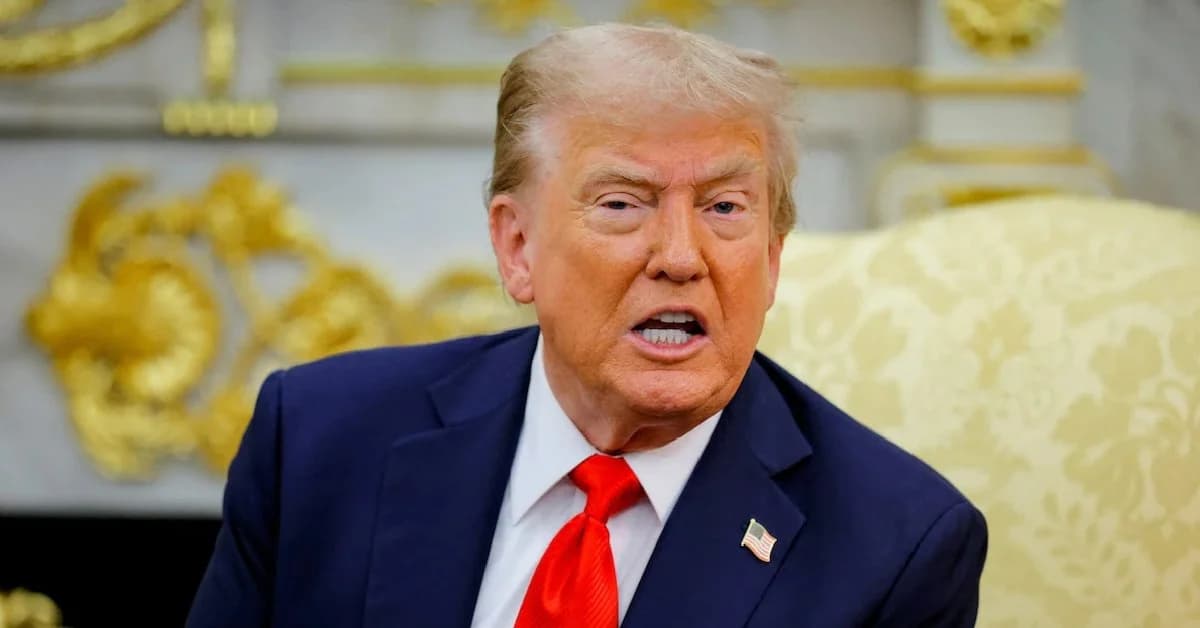
Washington, Oct 10: Fuel diplomacy in Washington has taken a dramatic turn, as President Donald Trump unveiled a deal with Moscow to import Russian diesel — an announcement that has unleashed a wave of criticism over America’s shifting sanctions policy.
What was framed as a move to ease domestic energy shortages has instead sparked accusations of hypocrisy, with commentators, lawmakers, and social media users questioning why the US penalised countries like India for buying Russian oil only to now seek supplies directly from the Kremlin.
The move came less than a month after Trump signed bipartisan legislation authorising tariffs of up to 100 per cent on major buyers of Russian oil and gas, including India and China. That contradiction was quickly seized upon by American journalists and social media users.
Also read: India Slams Pakistan at United Nations, Alleges Human Rights Abuse in PoK

📱 Get Argus News App
✨Catherine Rampell, writing on X, asked pointedly: “does this mean we will soon start tariffing ourselves?” Political journalist Sam Stein echoed the criticism, noting: “Three weeks ago Trump signed the Lindsey Graham Russia Sanctions bill as a testament to Graham's commitment to put an economic stranglehold on Putin,” before contrasting it with Friday’s announcement of Russian fuel supplies.
Social media platforms amplified the backlash. The verified X account News Matrix recalled Trump’s earlier criticism of India’s oil imports and questioned whether the same logic applied to the United States: “If India buying Russian oil = funding Putin’s war machine... does the same logic apply to the USA? Or is it only ‘funding Russia’ when INDIA does it?”
Similar sentiments appeared on Reddit forums, where users mocked the inconsistency with comments such as “Rules for thee but not for mee” and asked whether Washington would impose tariffs on itself.
The criticism extended to Capitol Hill. Democratic Senators Jeanne Shaheen, Chuck Schumer, and Elizabeth Warren issued a joint statement condemning the administration’s decision to permit Russian diesel sales for six months.
“The President must end his war with Iran instead of funding Russia’s war machine,” they declared, arguing that the move undermined congressional efforts to restrict Moscow’s energy revenues and weakened pressure on Putin over Ukraine.
Their statement followed an October 7 bipartisan letter from Shaheen and Republican Senator Roger Wicker urging tougher sanctions against Russia’s oil tankers, financial networks, and military suppliers. They warned that delaying economic pressure would allow Moscow to sustain its military campaign.
Trump defended the agreement, insisting that additional fuel supplies were necessary to lower costs for American consumers, farmers, and truckers. Speaking at the White House, he thanked Putin for the arrangement and stressed the urgency of securing diesel.
According to Trump, Russia would initially supply more than 300,000 tonnes of diesel, followed by 500,000 tonnes in November and one million tonnes thereafter, with further deliveries contingent on refinery capacity.
The Treasury Department formalised the deal by issuing General License 135, authorising specified transactions involving Russian-origin diesel until April 2027.
Ukrainian President Volodymyr Zelenskyy condemned the agreement, warning that increased Russian energy revenues could strengthen Moscow’s ability to continue the war.
(IANS)
Related Topics
Explore more stories