



PM Modi 7 Appeals / India's Gold Obsession Returns to Haunt Economy as 2026 Crisis Echoes Bigger Than 1967, 2013

Key Points
Bhubaneswar: “The desire for gold is the most universal and deeply rooted commercial instinct of the human race,” observed investment banker Gerald Martin Loeb decades ago.
In India, that instinct continues to shape economic reality.
The country remains the world’s second largest gold consumer after China, with annual demad ranging from 575 – 748 tonnes annually. But for nearly sixty years, this glittering metal has repeatedly turned into a policy nightmare - draining foreign exchange and destabilising macroeconomic balance.
The 1967 Precedent: Indira Gandhi’s Plea

📱 Get Argus News App
✨The saga
began in earnest under Prime Minister Indira Gandhi. In 1967, India was a young
nation struggling with a fragile economy and a chronic shortage of 5foreign
exchange. The Rupee had been devalued just a year prior, and every dollar was
needed for food and defense.
ಕಾಂಗ್ರೆಸ್ಸಿಗರ ಆರ್ಥಿಕ ಅಜ್ಞಾನ ಮತ್ತು ಅಂಧ ವಿರೋಧಕ್ಕೆ ಇದಕ್ಕಿಂತ ಸಾಕ್ಷಿ ಬೇಕೆ?
— R. Ashoka (@RAshokaBJP) May 12, 2026
ಇತಿಹಾಸದ ಅರಿವೂ ಇಲ್ಲದ, ಆರ್ಥಿಕ ನಿರ್ವಹಣೆಯ ಗಂಧ-ಗಾಳಿಯೂ ಗೊತ್ತಿಲ್ಲದ ಇಂದಿನ ಕಾಂಗ್ರೆಸ್ ನಾಯಕರಿಗೆ ಪ್ರಧಾನಿ ಶ್ರೀ ನರೇಂದ್ರ ಮೋದಿ ಅವರ ಪ್ರತಿಯೊಂದು ನಡೆಯನ್ನೂ ವಿರೋಧಿಸುವುದೇ ಒಂದು ‘ನಿತ್ಯ ಕಾಯಕ’ವಾಗಿಬಿಟ್ಟಿದೆ. ರಾಷ್ಟ್ರದ ಹಿತದೃಷ್ಟಿಯಿಂದ ಮೋದಿ… pic.twitter.com/4XrriAxD7P
When Gandhi looked at the data, she saw a nation pouring its meager wealth into ornaments. In an appeal documented by The Hindu, she urged citizens to stop buying gold, framing it as a patriotic necessity to protect the nation’s dwindling reserves. It was the first time the government officially identified the "gold drain" as a threat to national stability.
2013: Chidambaram’s Desperation
Fast forward to 2013, and the nightmare returned with a vengeance. India’s Current Account Deficit (CAD) had ballooned to a record 6.7%, and the Rupee was in freefall. The culprit? An insatiable appetite for gold, with imports crossing 845 tonnes.
Then-Finance Minister P. Chidambaram didn't just suggest austerity; he pleaded for it.
"If I have one wish which the people of India can fulfill, it is: don't buy gold," he famously remarked.
His logic was a cold lesson in macroeconomics: while an Indian citizen buys gold in Rupees at a local shop, the Reserve Bank of India (RBI) must pay for that gold in US Dollars on the international market. In 2013, those dollars were running out, forcing the government to hike import duties to historic highs just to stop the bleeding.
2026: The Mega West Asia Crisis
Today, in May 2026, the cycle has repeated, but the stakes are higher. The escalating conflict in West Asia has sent shockwaves through the global supply chain, driving crude oil prices toward $100/bbl.
Despite having a formidable forex chest of $690.69 billion, the pressure is immense. In just one week this May, reserves plummeted by $7.79 billion as the RBI scrambled to defend the Rupee against rising oil costs and capital outflows.
The Comparison: 2013 vs. 2026
|
Feature |
2013 Crisis |
2026 Crisis |
|
Main Trigger |
High Gold Imports & Fragile Five status |
West Asia Conflict & Record $72B Gold Bill |
|
Forex Status |
Dwindling/High Vulnerability |
$690B (Large buffer, but falling fast) |
|
CAD Situation |
6.7% (Emergency levels) |
Around 1.5% (Managed, but worsening) |
|
The Appeal |
Chidambaram: "Don't buy gold." |
PM Modi: "Pause gold purchases for the nation." |
Why 2026 is Different
Unlike 1967 or 2013, the 2026 crisis is a "double-ended" trap.
Oil & Freight: The West Asia conflict has made petroleum—India's non-negotiable import—astronomically expensive.
The Gold Bill: Despite volume dips, gold imports hit a record $71.98 billion in FY26 due to soaring prices.
Negative
FDI: For the first time in years, India has seen five consecutive months of
negative Net FDI, with $1.4 billion flowing out in January alone.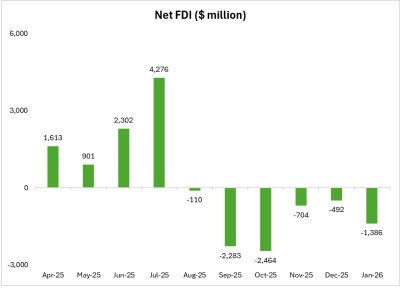
The
Endless Cycle
In May
2026, Prime Minister Modi finds himself echoing the words of his predecessors
from 13 and 59 years ago. The message remains the same: in times of
geopolitical upheaval, the private security of a gold ornament becomes a public
liability for the nation's balance sheet.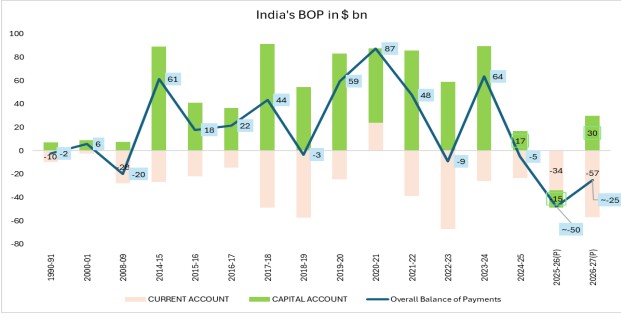
For the Indian government, gold isn't just a metal; it is a $72 billion "drain" that threatens to turn a manageable trade deficit into a full-blown currency crisis. As the West Asia fires burn, the government's oldest nightmare is back: convincing a billion people that their favourite hedge against inflation is the very thing inflating the national risk.
Related Topics
Explore more stories