



Economic Resilience / India Hikes Import Duty on Precious Metals to Shield Economy Amid Global Turmoil
·4 months ago·2 min read
Key Points
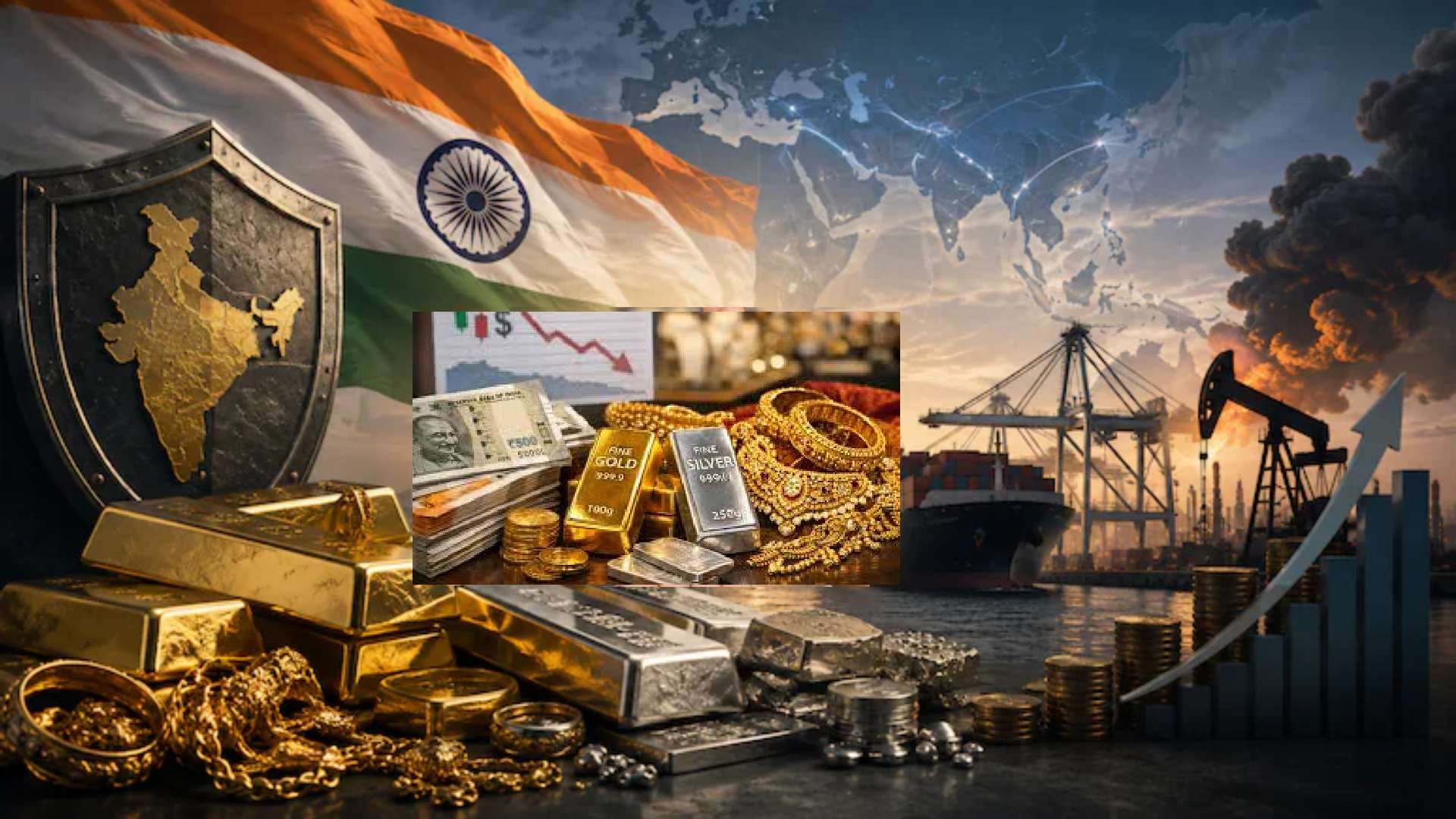
India has sharply increased import duties on gold, silver, and platinum as part of a broader strategy to conserve foreign exchange, prioritize essential imports, and strengthen economic resilience amid global uncertainties triggered by the West Asia crisis.
New Delhi, May 13: In a decisive policy move, the Government of India has raised import duties on precious metals including gold, silver, and platinum to safeguard macroeconomic stability and conserve foreign exchange reserves during a period of heightened global volatility.
The customs duty on gold and silver has been increased from 6 percent to 15 percent, while platinum now attracts 15.4 percent duty compared to the earlier 6.4 percent. Consequential changes have also been made to related items such as dore, coins, and findings.
Government sources emphasized that the measure is a balanced and proportionate response to extraordinary external conditions. With global crude oil markets and shipping routes facing disruptions due to the ongoing West Asia crisis, India’s import bill remains vulnerable to elevated energy prices. This, in turn, risks widening the Current Account Deficit (CAD) and fueling inflationary pressures.
Historically, customs duty adjustments have been deployed as a policy instrument to manage CAD‑related challenges. By moderating non‑essential imports such as precious metals, policymakers aim to prioritize foreign exchange resources for critical imports including crude oil, fertilizers, industrial raw materials, defense requirements, and capital goods. These sectors directly support economic activity, food security, infrastructure, manufacturing, exports, and national security.
The customs duty on gold and silver has been increased from 6 percent to 15 percent, while platinum now attracts 15.4 percent duty compared to the earlier 6.4 percent. Consequential changes have also been made to related items such as dore, coins, and findings.
Government sources emphasized that the measure is a balanced and proportionate response to extraordinary external conditions. With global crude oil markets and shipping routes facing disruptions due to the ongoing West Asia crisis, India’s import bill remains vulnerable to elevated energy prices. This, in turn, risks widening the Current Account Deficit (CAD) and fueling inflationary pressures.
Historically, customs duty adjustments have been deployed as a policy instrument to manage CAD‑related challenges. By moderating non‑essential imports such as precious metals, policymakers aim to prioritize foreign exchange resources for critical imports including crude oil, fertilizers, industrial raw materials, defense requirements, and capital goods. These sectors directly support economic activity, food security, infrastructure, manufacturing, exports, and national security.

📱 Get Argus News App
✨📰 60 Word News🎬 Argus Podcast📺 Live TV and Breaking News🔔 Free Notification Alerts
Download Free:
Precious metals, while culturally significant and widely used for consumption and investment, contribute disproportionately to foreign exchange outflows without strong linkages to productive industrial activity. The government’s calibrated intervention seeks to ease pressure on the external account by discouraging avoidable import demand.
Also Read: India's Gold Obsession Returns to Haunt Economy as 2026 Crisis Echoes Bigger Than 1967, 2013
Officials clarified that the move is neither prohibitory nor anti‑consumer. Instead, it signals prudent economic governance, demonstrating India’s proactive stance in mitigating external risks through timely and targeted measures. By moderating discretionary imports, the government aims to reduce the need for more disruptive corrective steps in the future.
The duty hike underscores India’s commitment to strengthening its economic resilience, ensuring that external resources are directed toward sectors with higher strategic and economic multiplier effects. As global uncertainties persist, this policy adjustment reflects a forward‑looking approach to maintaining macroeconomic stability and safeguarding national interests.
Also Read: India's Gold Obsession Returns to Haunt Economy as 2026 Crisis Echoes Bigger Than 1967, 2013
Officials clarified that the move is neither prohibitory nor anti‑consumer. Instead, it signals prudent economic governance, demonstrating India’s proactive stance in mitigating external risks through timely and targeted measures. By moderating discretionary imports, the government aims to reduce the need for more disruptive corrective steps in the future.
The duty hike underscores India’s commitment to strengthening its economic resilience, ensuring that external resources are directed toward sectors with higher strategic and economic multiplier effects. As global uncertainties persist, this policy adjustment reflects a forward‑looking approach to maintaining macroeconomic stability and safeguarding national interests.
Related Topics
Explore more stories