



First Aid / This Is Why You Should Never Offer Water to Road Accident Victims Even If They Beg for a Sip
·10 months ago·3 min read
Key Points
- Experts warn that giving water to road-accident victims can increase aspiration risk and complicate emergency surgery.
- ISA and NISHE guidelines say semi-conscious trauma patients should never be given fluids due to choking hazards.
- Bystanders are advised to prioritise breathing checks, bleeding control and emergency calls — not food or drink.
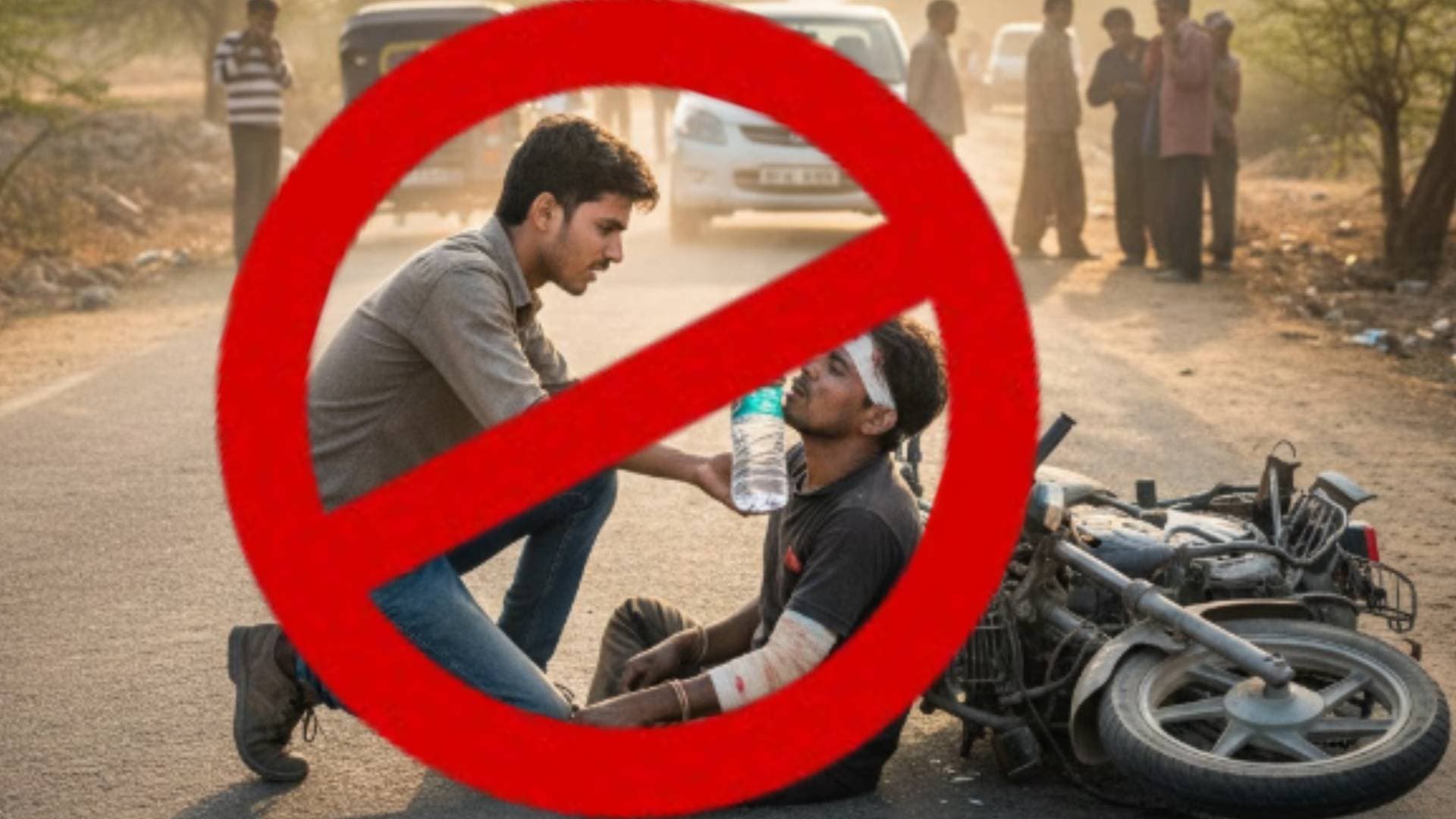
Bhubaneswar, Dec 3: In the panic-filled moments after a road accident, doing “something” feels like the only humane response. Many bystanders instinctively reach for a 'water bottle' to comfort an injured person who is gasping, sweating, or begging for a sip. But medical experts emphasise that this most common act of kindness can actually put the victim’s life at greater risk.
According to the Cleveland Clinic, patients who may require urgent surgery must remain “NPO” (nothing by mouth) because any food or fluid in the stomach increases the risk of aspiration -- where stomach contents enter the lungs during anaesthesia. This risk is common in trauma cases, where injuries often demand emergency surgical intervention.
The Indian Society of Anaesthesiologists (ISA) notes that clear liquids like water are normally allowed only up to two hours before scheduled surgery. But accident cases are not predictable or planned; doctors often do not know the extent of internal damage until the patient reaches a hospital. As per ISA guidelines, therefore, offering water at the roadside can interfere with safe anaesthesia if surgery becomes immediately necessary.
Another major concern is the possibility of choking or aspiration before the victim even reaches the hospital. Severe injuries — especially to the head, chest or abdomen — can partially suppress consciousness. As per first-aid instructions from NISHE (National Institute of Safety, Health & Environment) and emergency-care guidance from Apollo Hospitals, semi-conscious or traumatised individuals should never be given food or fluids, as their gag reflex may not be fully active. Even a small amount of water can slip into the airway, leading to aspiration pneumonia, a potentially fatal complication.
According to the Cleveland Clinic, patients who may require urgent surgery must remain “NPO” (nothing by mouth) because any food or fluid in the stomach increases the risk of aspiration -- where stomach contents enter the lungs during anaesthesia. This risk is common in trauma cases, where injuries often demand emergency surgical intervention.
The Indian Society of Anaesthesiologists (ISA) notes that clear liquids like water are normally allowed only up to two hours before scheduled surgery. But accident cases are not predictable or planned; doctors often do not know the extent of internal damage until the patient reaches a hospital. As per ISA guidelines, therefore, offering water at the roadside can interfere with safe anaesthesia if surgery becomes immediately necessary.
Another major concern is the possibility of choking or aspiration before the victim even reaches the hospital. Severe injuries — especially to the head, chest or abdomen — can partially suppress consciousness. As per first-aid instructions from NISHE (National Institute of Safety, Health & Environment) and emergency-care guidance from Apollo Hospitals, semi-conscious or traumatised individuals should never be given food or fluids, as their gag reflex may not be fully active. Even a small amount of water can slip into the airway, leading to aspiration pneumonia, a potentially fatal complication.

📱 Get Argus News App
✨📰 60 Word News🎬 Argus Podcast📺 Live TV and Breaking News🔔 Free Notification Alerts
Download Free:
Victims experiencing shock may also complain intensely of thirst. This is the body’s natural response to blood loss — not a true indicator that hydration is needed. Experts say the safest way to help at such moments is reassurance, not water.
The responsibility of a bystander is simple:
• Ensure the victim is breathing.
• Call emergency services immediately.
• Keep them still and avoid unnecessary movement.
• Control visible bleeding with clean cloth.
• Comfort them verbally — not with food or drink.
India continues to record high road-fatality numbers, but a small increase in public first-aid awareness can save countless lives. Doing less at the scene is often doing more.
Also Read: Speeding Bike Claims Pedestrian's Life in Cuttack District; Two Youths Critical
Kindness in emergencies must be informed, not instinctive. As these verified medical guidelines show, withholding water for a few minutes may feel uncomfortable -- but it is often the safest and most life-supportive choice for the injured.
The responsibility of a bystander is simple:
• Ensure the victim is breathing.
• Call emergency services immediately.
• Keep them still and avoid unnecessary movement.
• Control visible bleeding with clean cloth.
• Comfort them verbally — not with food or drink.
India continues to record high road-fatality numbers, but a small increase in public first-aid awareness can save countless lives. Doing less at the scene is often doing more.
Also Read: Speeding Bike Claims Pedestrian's Life in Cuttack District; Two Youths Critical
Kindness in emergencies must be informed, not instinctive. As these verified medical guidelines show, withholding water for a few minutes may feel uncomfortable -- but it is often the safest and most life-supportive choice for the injured.
Related Topics
Explore more stories