



World AIDS Day / Odisha Reports Over 2,400 HIV Cases This Year; Nabarangpur Emerges as New Area of Concern
·10 months ago·3 min read
Key Points
- Odisha detected 2,462 HIV cases till October 2025.
- Nabarangpur and Ganjam show worrying rise in infections.
- State targets 20 lakh HIV tests this year, with 14 lakh completed.
Bhubaneswar, Dec 1: Odisha has identified 2,462 HIV-positive cases as of October this year, with men accounting for the highest share, followed by 13 transgender individuals and the remaining cases among women. Officials said Cuttack continues to remain in the Category 1 classification, while a sharp rise in cases in Nabarangpur district has emerged as a concern.
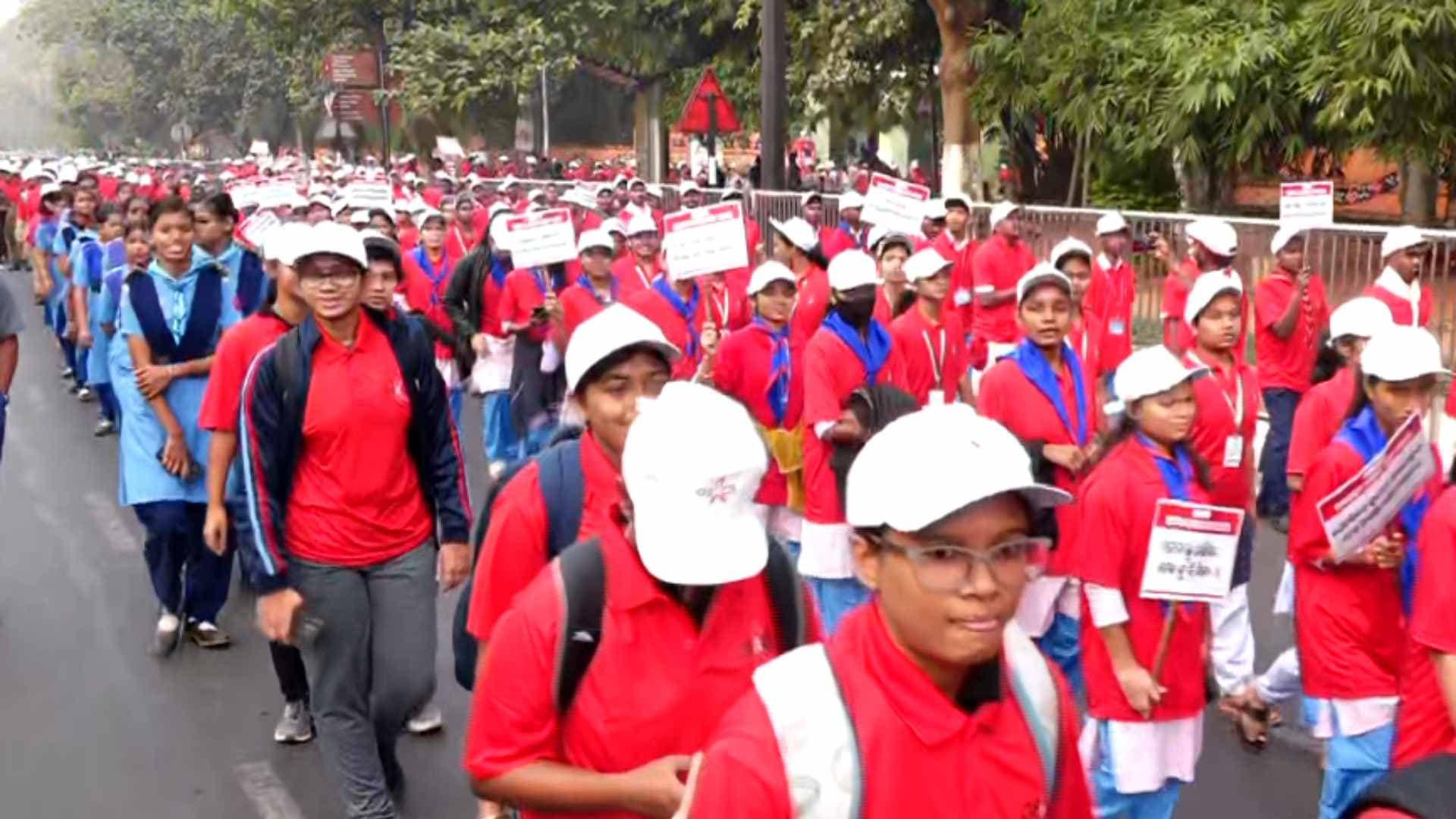
On World AIDS Day today, the Odisha State AIDS Control Society (OSACS) organised an awareness rally near the Capital Hospital premises in Bhubaneswar, which was inaugurated by the state Health Minister, Mukesh Mahaling.
State Health Director Dr Nilakantha Mishra said new trends show rising case numbers in Nabarangpur and Ganjam districts. While many patients from nearby districts are being diagnosed in Cuttack, migration and occupational patterns are contributing to higher detection rates in border districts like Nabarangpur, he said. Patients from neighbouring states are also being identified in Odisha.
OSACS Joint Director Dr DS Aravind stated that the state recorded 2,462 HIV-positive cases up to October 2025, compared to 3,232 cases in 2022–23, 3,436 in 2023–24, and 3,769 in 2024–25. As of now, Ganjam has identified 358 cases, Cuttack 261, Nabarangpur 70, Khurda 338, Sambalpur 195, Sundargarh 121, and Angul 115. Boudh has reported the lowest, just three cases.
On World AIDS Day today, the Odisha State AIDS Control Society (OSACS) organised an awareness rally near the Capital Hospital premises in Bhubaneswar, which was inaugurated by the state Health Minister, Mukesh Mahaling.
State Health Director Dr Nilakantha Mishra said new trends show rising case numbers in Nabarangpur and Ganjam districts. While many patients from nearby districts are being diagnosed in Cuttack, migration and occupational patterns are contributing to higher detection rates in border districts like Nabarangpur, he said. Patients from neighbouring states are also being identified in Odisha.
OSACS Joint Director Dr DS Aravind stated that the state recorded 2,462 HIV-positive cases up to October 2025, compared to 3,232 cases in 2022–23, 3,436 in 2023–24, and 3,769 in 2024–25. As of now, Ganjam has identified 358 cases, Cuttack 261, Nabarangpur 70, Khurda 338, Sambalpur 195, Sundargarh 121, and Angul 115. Boudh has reported the lowest, just three cases.

📱 Get Argus News App
✨📰 60 Word News🎬 Argus Podcast📺 Live TV and Breaking News🔔 Free Notification Alerts
Download Free:
Dr Aravind said the state has set a target of 20 lakh HIV tests this year, including 12 lakh general population tests and 8 lakh tests for pregnant women. Of this, 14 lakh tests have already been completed. Mother-to-child transmission remains a significant route of infection, followed by high-risk sexual behaviour, he said.
Also Read: Puri Grapples with Growing HIV/AIDS Menace
Health Minister Mukesh Mahaling said both the state and central governments are working together to strengthen prevention, detection and treatment mechanisms to eliminate HIV in Odisha.
HIV Declines in India
According to the World Health Organization (WHO), an estimated 40.8 million people were living with HIV globally in 2024. While about 630,000 people died from HIV‑related causes in 2024, an estimated 1.3 million people acquired HIV last year.
Notably, between 2010 and 2024, India achieved a 48.7 per cent decline in annual new HIV infections, an 81.4 per cent reduction in AIDS-related deaths, and a 74.6 per cent decline in mother-to-child HIV transmission, as per data from the Health Ministry.
India continues to demonstrate substantial progress under the current phase of the National AIDS Control Programme.
Also Read: Puri Grapples with Growing HIV/AIDS Menace
Health Minister Mukesh Mahaling said both the state and central governments are working together to strengthen prevention, detection and treatment mechanisms to eliminate HIV in Odisha.
HIV Declines in India
According to the World Health Organization (WHO), an estimated 40.8 million people were living with HIV globally in 2024. While about 630,000 people died from HIV‑related causes in 2024, an estimated 1.3 million people acquired HIV last year.
Notably, between 2010 and 2024, India achieved a 48.7 per cent decline in annual new HIV infections, an 81.4 per cent reduction in AIDS-related deaths, and a 74.6 per cent decline in mother-to-child HIV transmission, as per data from the Health Ministry.
India continues to demonstrate substantial progress under the current phase of the National AIDS Control Programme.
“HIV testing increased from 4.13 crore (2020–21) to 6.62 crore (2024–25); access to antiretroviral treatment rose from 14.94 lakh to 18.60 lakh PLHIV; and viral load testing nearly doubled from 8.90 lakh to 15.98 lakh in the same period,” said the Ministry.
Related Topics
Explore more stories