



Weather Update / Cold Wave Grips Odisha; IMD Issues Yellow Warning for 16 Districts
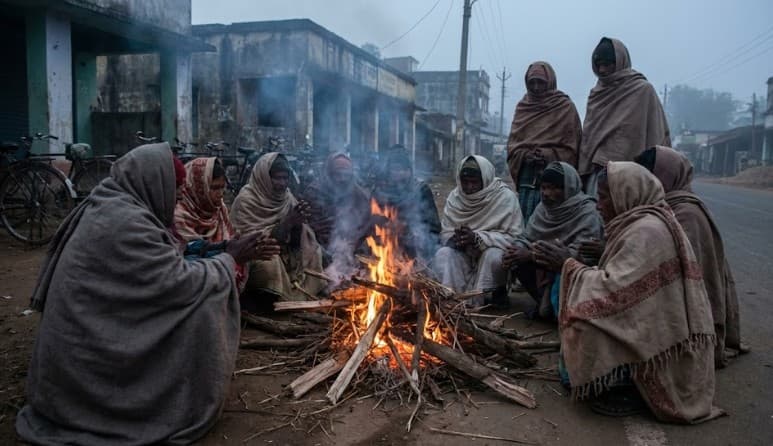
Key Points
- IMD issues yellow warning for 16 districts in Odisha.
- 19 towns record temperatures below 10°C; Udayagiri at 2.6°C.
- Dense fog advisory for 11 coastal districts.
- Slight rise in temperatures expected after January 17.
Bhubaneswar, Jan 16: Odisha continues to reel under an intense cold wave, with the India Meteorological Department (IMD) issuing a fresh yellow warning for 16 districts over the next 24 hours, officials said on Friday.
The biting chill has spread across western, coastal, and southern parts of the state, leaving residents shivering as temperatures plummeted well below normal.

📱 Get Argus News App
✨According to the IMD, cold wave conditions are likely to prevail in isolated pockets of Balasore, Bhadrak, Kendrapada, Jajpur, Cuttack, Jagatsinghpur, Khordha, Angul, Boudh, Keonjhar, Jharsuguda, Mayurbhanj, Kandhamal, Sundargarh, Dhenkanal, and Puri. The department has urged citizens to take precautions against exposure, particularly vulnerable groups such as children and elder people.
In the past 24 hours, as many as 19 places recorded minimum
temperatures below 10°C. Rourkela registered one of the lowest readings at
4.6°C, while Udayagiri in Kandhamal district reported a bone-chilling 2.6°C.
Dense fog has also been reported in several coastal districts, prompting the
IMD to issue an advisory for 11 districts, warning of reduced visibility and
potential disruption to road and air traffic.
Also Read: Bhubaneswar Shivers At 9.2°C, Coldest Night In 22 Years
The weathermen predicted that the cold wave is likely to persist until January 17, after which a slight rise of 2–4°C in minimum temperatures is likely. This may bring some relief to residents, though conditions will remain chilly. The IMD has advised people to wear adequate winter clothing, avoid early morning travel, and exercise caution while driving in foggy conditions.
With the cold wave showing no immediate signs of abating, Odisha’s winter continues to test resilience across urban and rural areas alike.
Related Topics
Explore more stories