



Tribal Culture / This Tribe Digs Up Their Dead Years Later, What They Do Next Will Shock You
·10 months ago·3 min read
Key Points
- The Torajan tribe of Indonesia performs Ma’nene’, a ritual where families exhume and clean the preserved bodies of relatives every few years.
- Dead relatives are kept at home for weeks to years, depending on family wealth, before elaborate funerals involving buffalo and pig sacrifices.
- The ritual reflects the Torajans’ belief that death is a continuing journey and the dead remain part of the family.
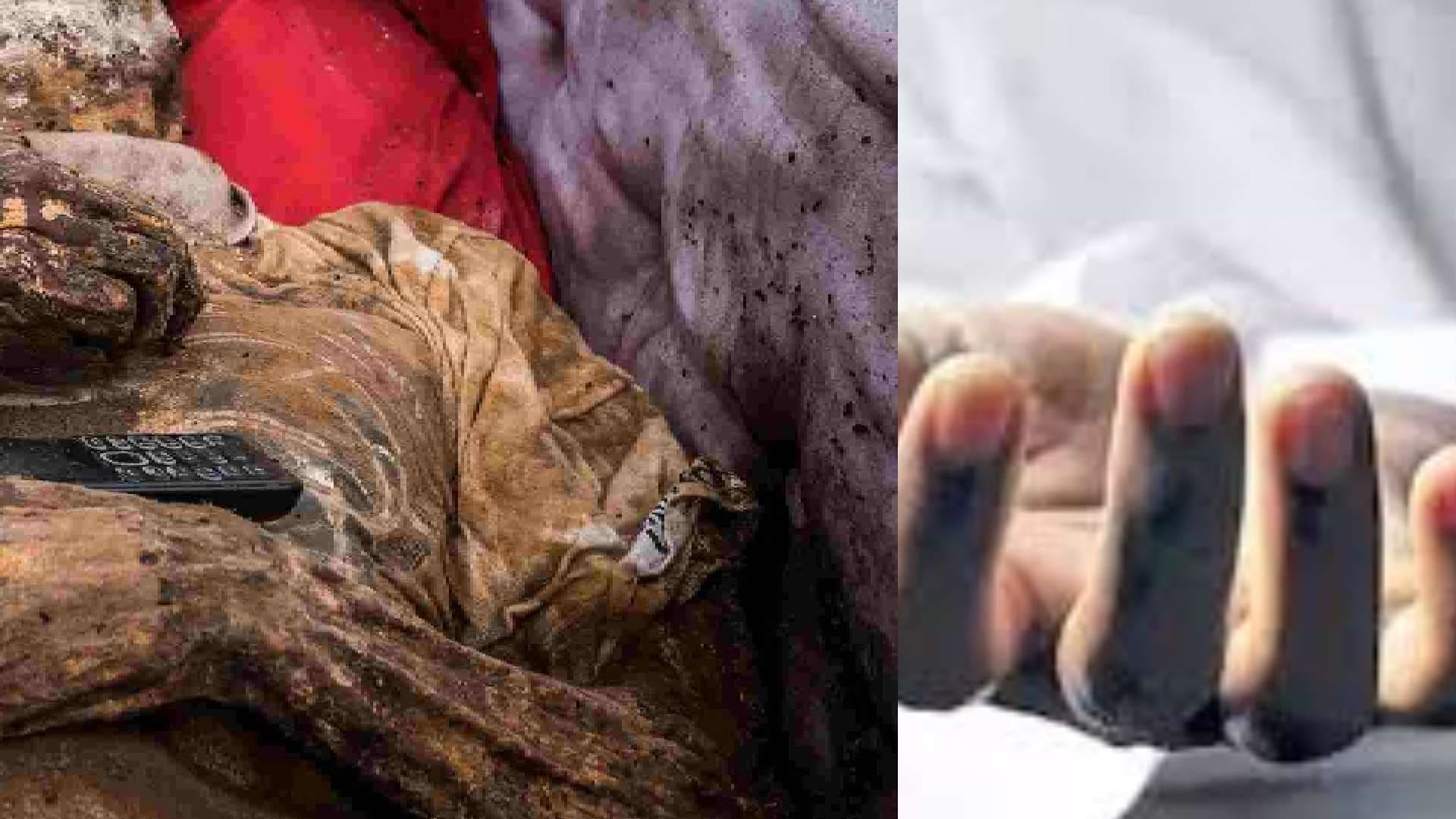
Bhubaneswar, Nov 28: Nested in the misty highlands of South Sulawesi in Indonesia, a tribe exists where death is not the end. The Torajan people perform an ancient and unique funeral ritual that outsiders often find hard to believe. This ritual involves digging up the bodies of the deceased relatives, years after their burial.
When someone dies in a Torajan family, they are buried in a coffin, sometimes in a cliff or a carved cave. The dead are referred to as a "makula", meaning a "sick person" and are treated with the same love and respect as a living person.
After the death, the poorer people don't want to keep the dead body for a long time, so they only keep it for several weeks and then do the funeral ceremony. When it comes to the middle class, they keep the dead body for several months. And then for the rich, they keep the dead body around few years. In preparation for the funerals, the family acquires water buffaloes and pigs to be sacrificed. According to them, the dead who don't have a buffalo will not go quickly to the afterlife.
But the family doesn't say goodbye forever, as every few years, they return to their ancestral tomb to perform a ritual called Ma'nene', which means celebration of cleaning corpses.
When someone dies in a Torajan family, they are buried in a coffin, sometimes in a cliff or a carved cave. The dead are referred to as a "makula", meaning a "sick person" and are treated with the same love and respect as a living person.
After the death, the poorer people don't want to keep the dead body for a long time, so they only keep it for several weeks and then do the funeral ceremony. When it comes to the middle class, they keep the dead body for several months. And then for the rich, they keep the dead body around few years. In preparation for the funerals, the family acquires water buffaloes and pigs to be sacrificed. According to them, the dead who don't have a buffalo will not go quickly to the afterlife.
But the family doesn't say goodbye forever, as every few years, they return to their ancestral tomb to perform a ritual called Ma'nene', which means celebration of cleaning corpses.

📱 Get Argus News App
✨📰 60 Word News🎬 Argus Podcast📺 Live TV and Breaking News🔔 Free Notification Alerts
Download Free:
Every year in August, villagers and family members of the dead person go to the graveyard early in the morning. They open the coffins and carefully take out the bodies. Some have been dead for a few years, and some even for decades, yet they are surprisingly well-preserved. Faces of the dead may be pale and stiff, but the features are still recognizable. The air is quiet and heavy - as if the dead are still listening.
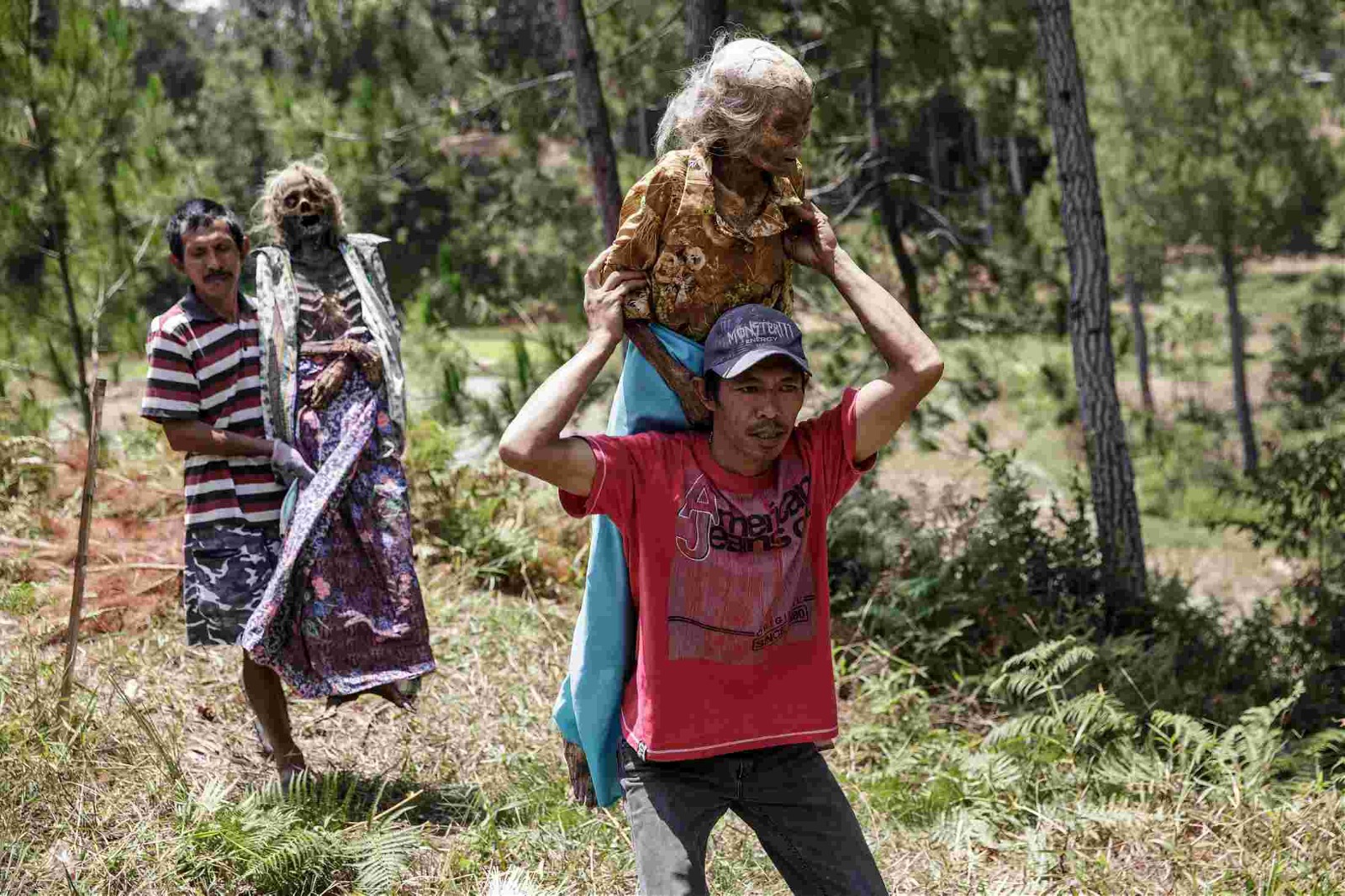
Afterwards, family members begin to clean the body. They remove any bugs or dust, brush their hair, wash their faces and dress them in nice clothes and accessories.
For the people of Toraja, this is not scary; it is a way of showing love and respect. The dead are still part of the family, even years after passing away.
After the cleaning and dressing, the bodies are returned to their coffins. Villagers claim that they can hear faint voices or footsteps at night following the conclusion of the ritual, as if their ancestors are still nearby, watching and waiting.
Also Read: Winter Escapes in Odisha: Explore Hidden Gems, From Misty Mountains of Deomali to Sun-Kissed Beaches in Talsari
For the Torajan tribe, death is not the final farewell; it is a journey. And through Ma'nene', the dead remain part of the family remembered, honoured and never forgotten.
This story is compiled by Aditi Majhi.
Afterwards, family members begin to clean the body. They remove any bugs or dust, brush their hair, wash their faces and dress them in nice clothes and accessories.
For the people of Toraja, this is not scary; it is a way of showing love and respect. The dead are still part of the family, even years after passing away.
After the cleaning and dressing, the bodies are returned to their coffins. Villagers claim that they can hear faint voices or footsteps at night following the conclusion of the ritual, as if their ancestors are still nearby, watching and waiting.
Also Read: Winter Escapes in Odisha: Explore Hidden Gems, From Misty Mountains of Deomali to Sun-Kissed Beaches in Talsari
For the Torajan tribe, death is not the final farewell; it is a journey. And through Ma'nene', the dead remain part of the family remembered, honoured and never forgotten.
This story is compiled by Aditi Majhi.
Related Topics
Explore more stories