



Ollywood Classic / Timeless Odia Classic ‘Māyā Miriga’ Revived On The Big Screen After Four Decades
Key Points
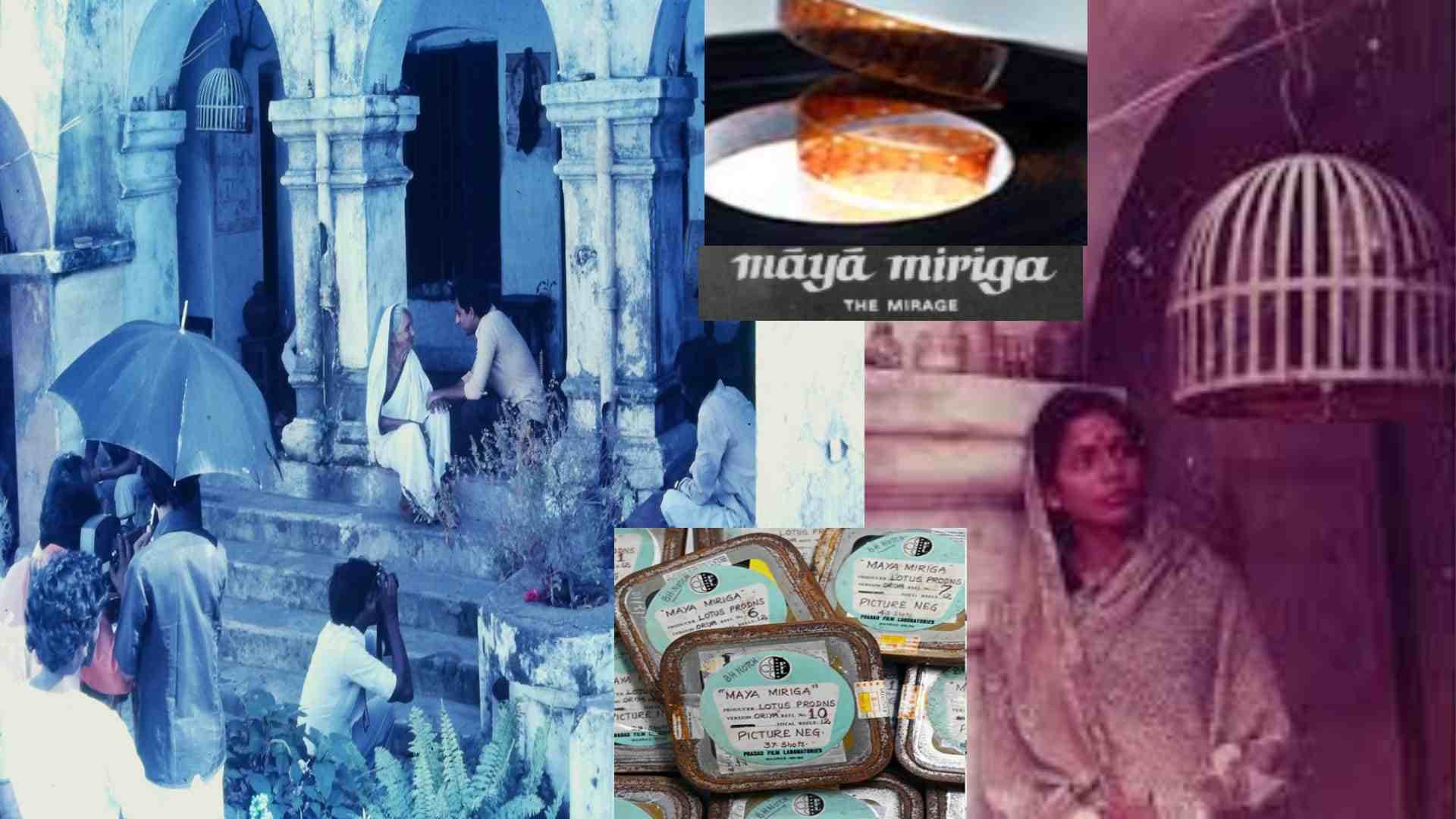
Bhubaneswar, Nov 15: Four decades after its debut, Odisha’s celebrated classic Māyā Miriga (The Mirage, 1984), directed by the late Nirad Mohapatra, returned to the silver screen in a newly restored 4K format. The special screening at Keshari Theatre on Thursday evening drew a packed audience of film lovers, students, and enthusiasts eager to relive one of the state’s most treasured cinematic works.
Organised
under the 10th Film Preservation and Restoration Workshop India (FPRWI), the
event highlighted the painstaking process behind the film’s revival. Ahead of
the screening, journalist Sampad Mahapatra and filmmaker Sandeep Mohapatra
reflected on the emotional journey and technical challenges that went into
bringing the masterpiece back to life.
Led by the
Film Heritage Foundation, the restoration took nearly three years. The original
16mm camera negative was discovered in a warehouse, badly damaged by vinegar
syndrome, mould, and broken perforations. Restorers repaired the reels frame by
frame, supplementing missing portions with a 35mm print from the National Film
Archive of India. Months of colour grading and sound correction followed,
breathing new life into the film while preserving its authenticity.
Also Read: Why Did Priyanka Chopra Wish to be a guy? And What Did She Mean By ‘No Stress’?
At 6.45 pm,
after a brief technical glitch, Māyā Miriga began to roll again to warm
applause. For nearly two hours, the audience was transported back to a small
Odia town of the 1980s, immersed in Mohapatra’s quiet yet powerful
storytelling.

📱 Get Argus News App
✨The film
follows Raj Kishore Babu (Bansidhar Satpathy), an elderly school headmaster
living modestly in a joint family with his mother, wife, and five children. His
sons, the dutiful Tuku, ambitious Tutu (played by Sampad Mahapatra), insecure
Bulu, defiant Tulu, and youngest Tikina, embody a generation caught between
tradition and aspiration. As modernity, class differences, and personal
ambitions seep into their lives, the family’s emotional fabric begins to fray.
From the
arrival of a city-bred daughter-in-law to the grandmother’s passing and the
father’s quiet despair after retirement, Maya Miriga captures the
disintegration of the joint family system with remarkable realism. The closing
scene, where Raj Kishore Babu asks his grandchild, “Will you too leave us?” (Maa
lo.. e maa, tame paliba, ye budha budhi dueita nku chadi tame paliba, e maa,
maa lo), left the audience reflecting in silence.
Even after
forty years, the film remains deeply relevant. It highlights the value of joint
families, where children grow under the guidance of elders, while also
portraying challenges that continue to shape Indian households, ambition,
competition, and balancing personal goals with family responsibilities.
When the credits rolled at 8.38 pm, the auditorium erupted in heartfelt applause. The ovation honoured not only Mohapatra’s timeless masterpiece but also the meticulous restoration that rescued it from decay. Māyā Miriga’s return reaffirmed its place as a cornerstone of Odia cinema and a timeless reflection of family, tradition, and change.
Related Topics
Explore more stories