



Viral / Bank Details Served With Bhel Puri? Viral Snack Packet Triggers Privacy Alarm
·4 months ago·3 min read
Key Points
The online debate elevated after a customer noticed something unusual about the paper used to serve his bhel puri, which attracted concern online regarding privacy breach and hygiene.
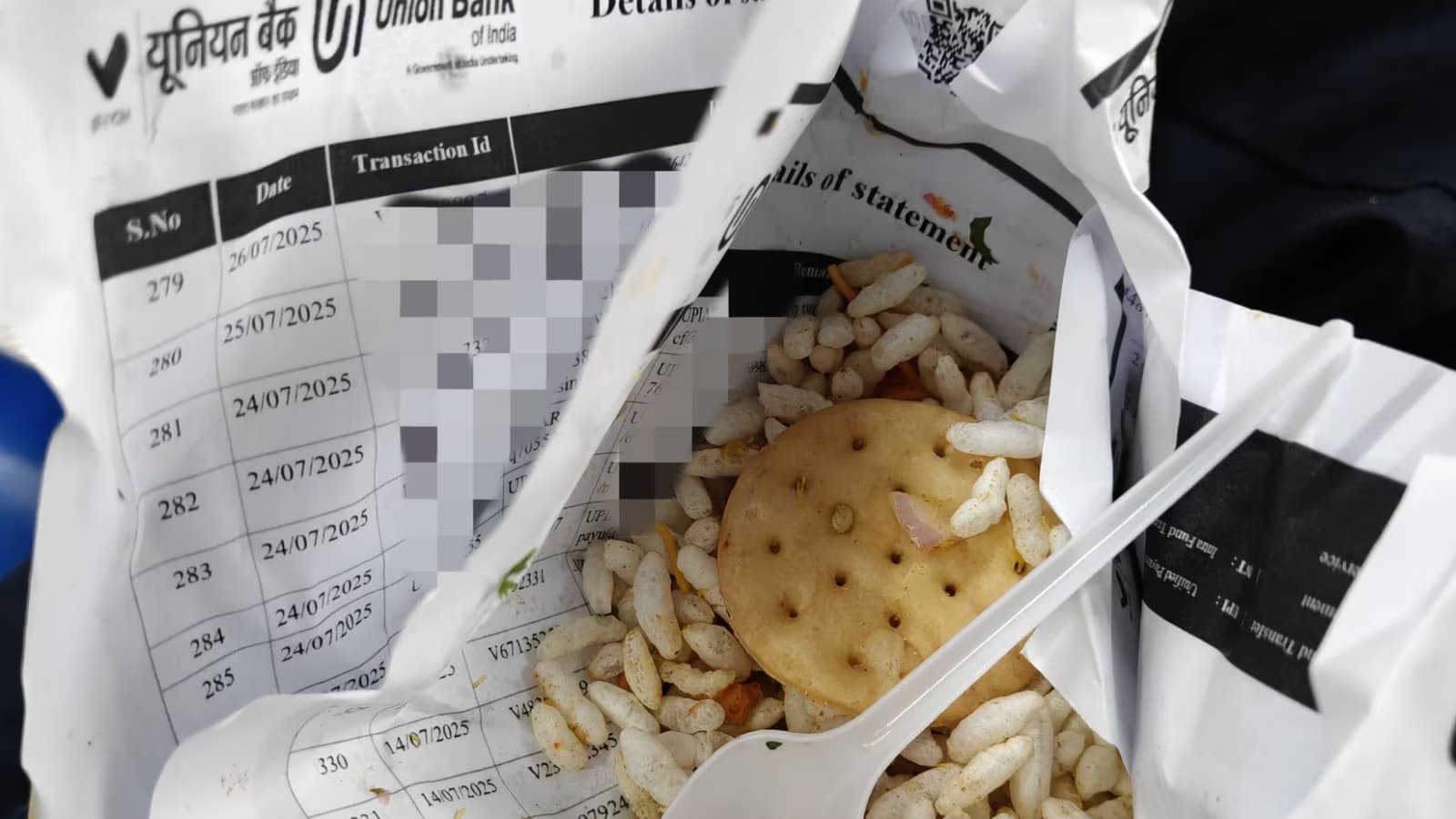
Mumbai, May 23: An usual roadside 'Bhel' purchase has unexpectedly triggered a serious conversation about public awareness in India. What began as an ordinary evening snack turned into a viral social media discussion after a customer discovered that his bhel puri was served in a paper cone made from a printed bank statement.
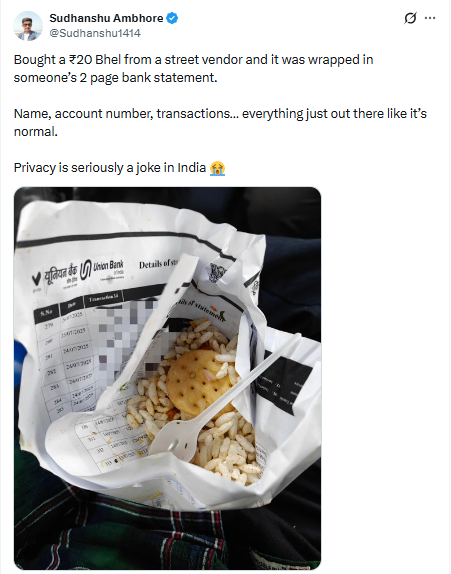
The incident came to light when a social media user shared photographs of the packaging online. As per the post, the paper used to hold the snack allegedly contained sensitive banking information, including an account holder’s name, account number, and transaction details. The images quickly spread across platforms, with many users expressing shock over how confidential financial documents could end up in public circulation.
The viral post shared by internet user Sudhanshu Ambhore raised several red flags.

📱 Get Argus News App
✨📰 60 Word News🎬 Argus Podcast📺 Live TV and Breaking News🔔 Free Notification Alerts
Download Free:
While several people reacted with humor, others raised genuine concerns about privacy and data security. In an era where digital fraud and identity theft are becoming increasingly common, even small pieces of personal financial information can potentially be misused. Many users pointed out that documents containing banking details should never be discarded carelessly, especially in places where they can be reused without scrutiny.
The viral post also highlighted another major issue in India, the widespread use of recycled paper for food packaging by roadside vendors. From old newspapers to printed office sheets, scrap paper is often repurposed to serve snacks and street food. Although this practice is inexpensive and convenient, it raises questions not only about hygiene but also about the handling of confidential information.
Interestingly, mixed views where seen in the social media, some users speculated that the statement may not have originated directly from a bank branch. Whereas, a few claimed that the format looked similar to statements downloaded through internet banking or mobile applications rather than official branch printouts. This led to discussions about how customers themselves may unknowingly contribute to privacy risks by throwing away printed financial documents without shredding or destroying them properly.
Also Read: MP Govt Initiates Process To Transfer Twisha Sharma Death Probe To CBI; Home Dept Issues Notification
Many others shared similar experiences online, mentioning cases where medical reports, salary slips, and personal records were found circulating as scrap paper. These stories underline a larger problem, as the casual attitude toward document disposal in day-to-days life.
Experts often advise people to destroy sensitive papers before discarding them. Tearing documents into small pieces, blacking out account numbers, or using shredders can significantly reduce the risk of personal information falling into the wrong hands. At the same time, businesses and print shops handling customer data are also expected to follow stricter disposal practices.
The viral bhel puri incident may have amused the internet for a day, but it also served as a reminder that privacy protection begins with small everyday habits. In a world where information is valuable, even a discarded piece of paper can become a security risk if handled carelessly.
The viral post also highlighted another major issue in India, the widespread use of recycled paper for food packaging by roadside vendors. From old newspapers to printed office sheets, scrap paper is often repurposed to serve snacks and street food. Although this practice is inexpensive and convenient, it raises questions not only about hygiene but also about the handling of confidential information.
Interestingly, mixed views where seen in the social media, some users speculated that the statement may not have originated directly from a bank branch. Whereas, a few claimed that the format looked similar to statements downloaded through internet banking or mobile applications rather than official branch printouts. This led to discussions about how customers themselves may unknowingly contribute to privacy risks by throwing away printed financial documents without shredding or destroying them properly.
Also Read: MP Govt Initiates Process To Transfer Twisha Sharma Death Probe To CBI; Home Dept Issues Notification
Many others shared similar experiences online, mentioning cases where medical reports, salary slips, and personal records were found circulating as scrap paper. These stories underline a larger problem, as the casual attitude toward document disposal in day-to-days life.
Experts often advise people to destroy sensitive papers before discarding them. Tearing documents into small pieces, blacking out account numbers, or using shredders can significantly reduce the risk of personal information falling into the wrong hands. At the same time, businesses and print shops handling customer data are also expected to follow stricter disposal practices.
The viral bhel puri incident may have amused the internet for a day, but it also served as a reminder that privacy protection begins with small everyday habits. In a world where information is valuable, even a discarded piece of paper can become a security risk if handled carelessly.
Related Topics
Explore more stories