



World Turtle Day 2026 / Turtle Secrets Uncovered: Fascinating Adaptations on World Turtle Day
·3 months ago·2 min read
Key Points
Observed annually on May 23, World Turtle Day celebrates turtles and tortoises while raising awareness about their conservation. These ancient reptiles have survived for over 200 million years with extraordinary adaptations.
New Delhi, May 23: May 23 marks World Turtle Day, a global observance dedicated to celebrating turtles and tortoises while raising awareness about their conservation. These remarkable reptiles have roamed the Earth for more than 200 million years, adapting to dramatic environmental changes with unique survival traits.
One of the most extraordinary species, the Leatherback Sea Turtle, can dive to depths of over 1,000 metres in search of jellyfish, making it one of the deepest-diving reptiles in the world. Equally fascinating is the ability of sea turtles to navigate using Earth’s magnetic field, enabling them to travel thousands of kilometres across oceans and return to the same nesting beaches generation after generation.
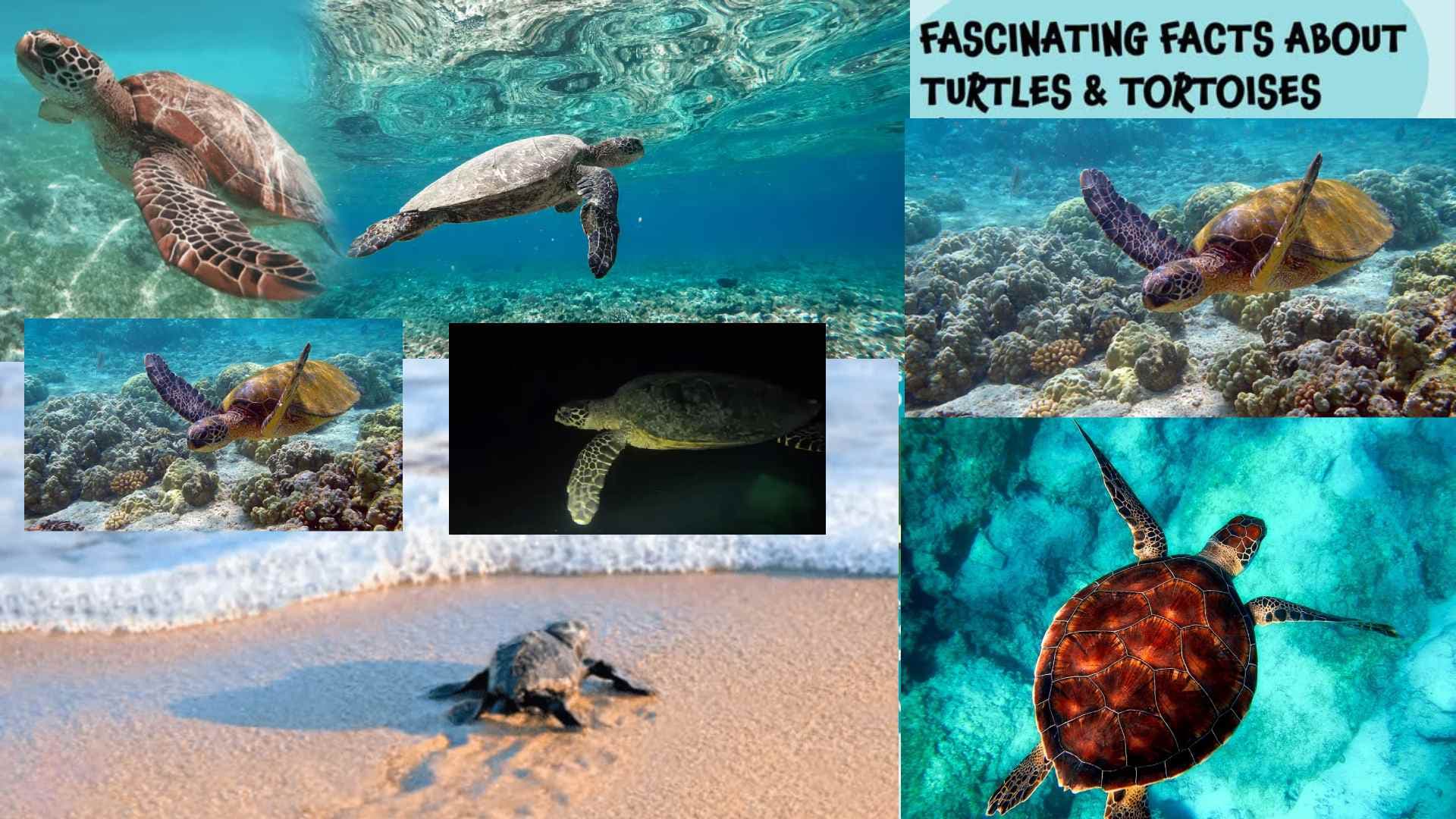
Recent research has revealed that some turtles exhibit biofluorescence, glowing green or red under UV light in the ocean — a rare phenomenon among reptiles. Another unusual trait is that temperature determines the gender of baby turtles: warmer sand produces more females, while cooler nests yield more males.
Contrary to popular belief, a turtle’s shell is not just external armour but an integral part of its skeleton, fused with its spine and ribs. Some freshwater species even possess the ability to breathe through specialised body parts near their tails, allowing them to survive underwater for extended periods.
Also Read: India’s First Satellite-Tagged Ganges Softshell Turtle Released in Kaziranga
World Turtle Day serves as a reminder of the urgent need to protect these ancient creatures. With threats ranging from habitat loss and climate change to poaching and plastic pollution, conservation efforts are critical to ensuring their survival.
As we celebrate these fascinating reptiles, the day calls for greater awareness and action to safeguard turtles and tortoises for future generations.
One of the most extraordinary species, the Leatherback Sea Turtle, can dive to depths of over 1,000 metres in search of jellyfish, making it one of the deepest-diving reptiles in the world. Equally fascinating is the ability of sea turtles to navigate using Earth’s magnetic field, enabling them to travel thousands of kilometres across oceans and return to the same nesting beaches generation after generation.
Recent research has revealed that some turtles exhibit biofluorescence, glowing green or red under UV light in the ocean — a rare phenomenon among reptiles. Another unusual trait is that temperature determines the gender of baby turtles: warmer sand produces more females, while cooler nests yield more males.
Contrary to popular belief, a turtle’s shell is not just external armour but an integral part of its skeleton, fused with its spine and ribs. Some freshwater species even possess the ability to breathe through specialised body parts near their tails, allowing them to survive underwater for extended periods.
Also Read: India’s First Satellite-Tagged Ganges Softshell Turtle Released in Kaziranga
World Turtle Day serves as a reminder of the urgent need to protect these ancient creatures. With threats ranging from habitat loss and climate change to poaching and plastic pollution, conservation efforts are critical to ensuring their survival.
As we celebrate these fascinating reptiles, the day calls for greater awareness and action to safeguard turtles and tortoises for future generations.

📱 Get Argus News App
✨📰 60 Word News🎬 Argus Podcast📺 Live TV and Breaking News🔔 Free Notification Alerts
Download Free:
Related Topics
Explore more stories