



Defence / DRDO Successfully Tests SFDR Technology, Marks India’s Leap toward Next-Gen Missile Power
Key Points
- DRDO successfully tested Solid Fuel Ducted Ramjet (SFDR) technology at Chandipur, Odisha.
- The breakthrough places India among a select group of nations with advanced missile propulsion systems.
- SFDR enables long-range air-to-air missiles with higher speed, larger payloads, and strategic advantage.
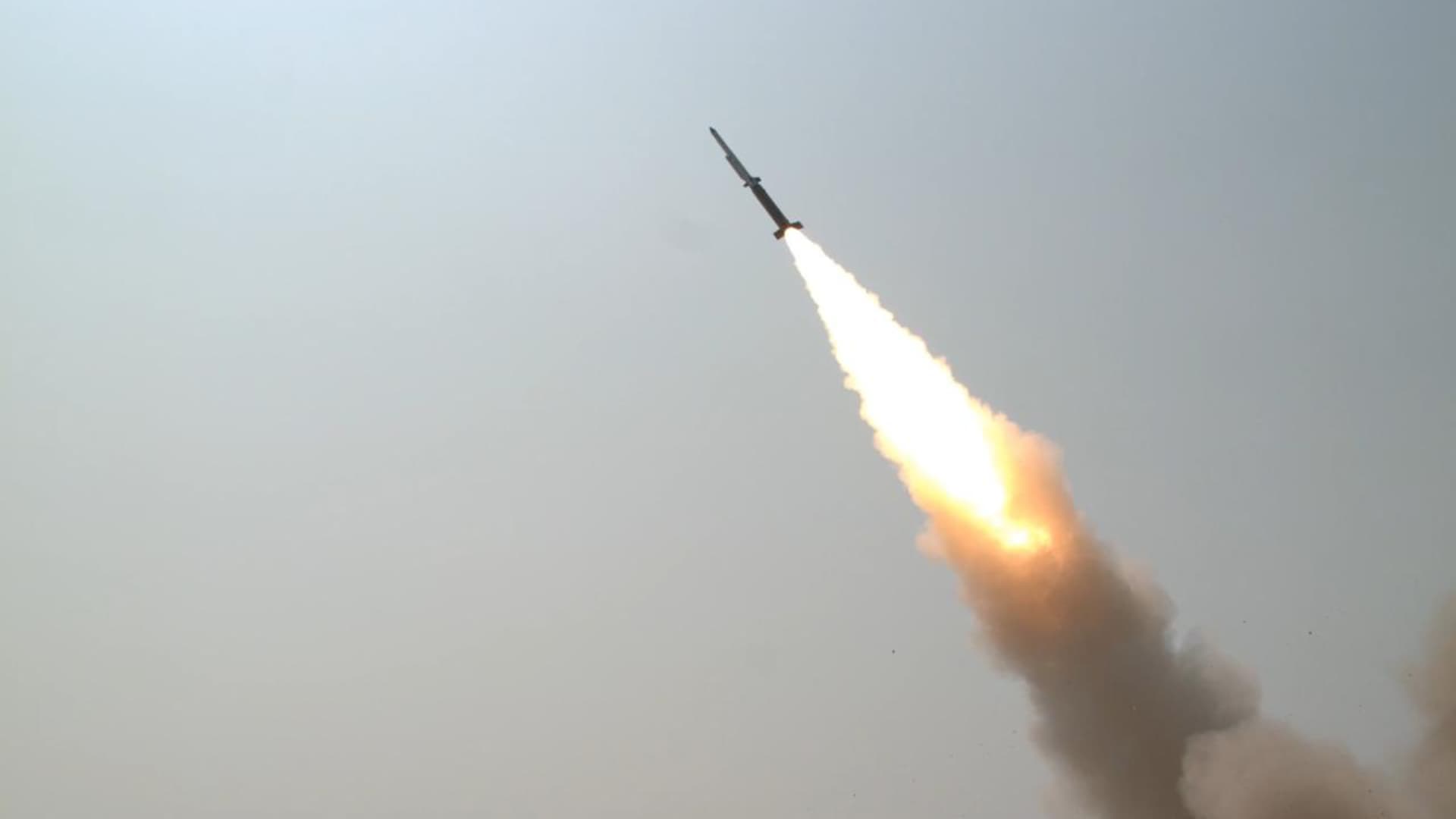
Chandipur, Feb 3: Making yet another significant stride towards ‘Atmanirbhar Bharat’ — self-reliant India — in defence sector, India successfully demonstrated its technical prowess with the testing of the Solid Fuel Ducted Ramjet (SFDR) technology.
The Defence Research and Development Organisation (DRDO) successfully demonstrated the SFDR technology on Tuesday morning. The test was conducted from the Integrated Test Range located at Chandipur in Odisha at around 10.45 am.

📱 Get Argus News App
✨The test not only achieved its objectives, but also made a
significant breakthrough in the missile development program of India.
Also read: Rajpal Yadav Faces Jail Time! Why the Actor Must Surrender Now
The successful
demonstration places India into an elite league of countries possessing this
technology that enables developing long-range air-to-air missiles to give
tactical edge over the adversaries.
Solid Fuel Ducted Ramjet (SFDR) technology was successfully flight tested from the Integrated Test Range (ITR), Chandipur off the coast of Odisha today. SFDR is very crucial for development of long range Air to Air Missiles pic.twitter.com/66ZwE0micY
— DRDO (@DRDO_India) February 3, 2026
“Solid Fuel Ducted Ramjet (SFDR) technology was successfully flight tested from the Integrated Test Range (ITR), Chandipur off the coast of Odisha today,” wrote DRDO in a post along with a video of the testing on ‘X’. “SFDR is very crucial for development of long range Air to Air Missiles,” the post reads further.
All the subsystems, which include Nozzle-less Booster, Solid Fuel Ducted Ramjet motor and Fuel Flow Controller, performed as expected after being initially propelled by a ground booster motor to the desired Mach Number.
The flight data confirmed the system’s performance. The data was captured by a number of tracking instruments, which have been deployed by ITR, Chandipur along the coast of Bay of Bengal.
Senior scientists from various laboratories of DRDO, which include Defence Research & Development Laboratory, High Energy Materials Research Laboratory, Research Centre Imarat and ITR, monitored the launch.
What is SFDR technology?
It is an advanced missile propulsion system, which is designed to deliver exceptional range and speed. The SFDR system features a thrust-modulated ducted rocket combined with a nozzle-less booster that produces minimal smoke. While the system itself relies on a solid-fuelled, air-breathing ramjet engine, thrust modulation is achieved through a hot gas flow controller.
Having a projected range of nearly 350 km, the system enables missiles to travel at higher average speeds and cover longer distances.
The SFDR system allows the missiles to carry larger payloads since no onboard oxidiser is required. The ramjet engine draws oxygen directly from the atmosphere during flight, unlike conventional solid-propellant rockets.
Although the system is officially being developed to power India’s future air-to-air missiles, its application can extend to surface-to-air missile systems as well.
The current configuration of the SFDR-based missile requires an initial boost into high altitude to replicate aircraft-launch conditions. Once airborne, the nozzle-less booster ignites, guiding the missile along its intended trajectory with precision.
This breakthrough not only positions India among the few
nations capable of harnessing such advanced propulsion technology, but it also paves
the way for next-generation missile systems that strengthen national defence
and strategic capabilities.
Related Topics
Explore more stories