



BCCI Central Contract / Pay Cuts Likely for Virat Kohli and Rohit Sharma: Inside BCCI’s New Central Contract Shake‑Up
Key Points
- Kohli and Rohit may be moved from A+ to Grade A due to reduced format participation.
- Shubman Gill is likely to be promoted to the A+ category as an all‑format leader.
- BCCI’s contract system emphasises Test cricket, performance consistency, and domestic participation.
Mumbai/Bhubaneswar, Dec 11: The Board of Control for Cricket in India (BCCI) is gearing up to announce its next cycle of central contracts, and early indications suggest that some of Indian cricket’s biggest names — including Virat Kohli and Rohit Sharma — may face significant changes in their retainership slabs.
The central contract system, last updated in April 2025, is one of the most influential frameworks governing player remuneration, performance incentives, and professional accountability within the national setup.

📱 Get Argus News App
✨How the BCCI Contract System Works?
The BCCI categorises its contracted players into four grades
— A+, A, B, and C — each offering a fixed annual retainership. This amount is
independent of match fees and is designed to reward consistency, format
commitment, and overall contribution to Indian cricket.
Also read: India May Tinker with Playing XI for 2nd T20I vs South Africa
Key Factors That Determine a Player’s Grade
Format Priority & Participation:
Players who excel in Test cricket or feature across all three formats are typically placed in the top brackets. The A+ category is reserved exclusively for India’s premier all‑format performers. With Shubman Gill now leading India in Tests and ODIs, he is widely expected to be elevated to the A+ tier.
Performance & Consistency:
Promotions and demotions are heavily influenced by a player’s impact over the previous contract cycle. Sustained excellence is rewarded, while dips in form or fitness can lead to a downgrade.
Minimum Match Criteria:
To qualify even for Grade C, players must meet minimum participation thresholds — such as 3 Tests, 8 ODIs, or 10 T20Is in a cycle. Simply playing more matches does not guarantee a higher grade.
Commitment to Domestic Cricket:
The BCCI has tightened its stance on domestic red‑ball participation. Centrally contracted players not on national duty are expected to play Ranji Trophy games. Non‑compliance has already cost players like Shreyas Iyer and Ishan Kishan their contracts in the past.
Why RoKo May Face Pay Cuts?
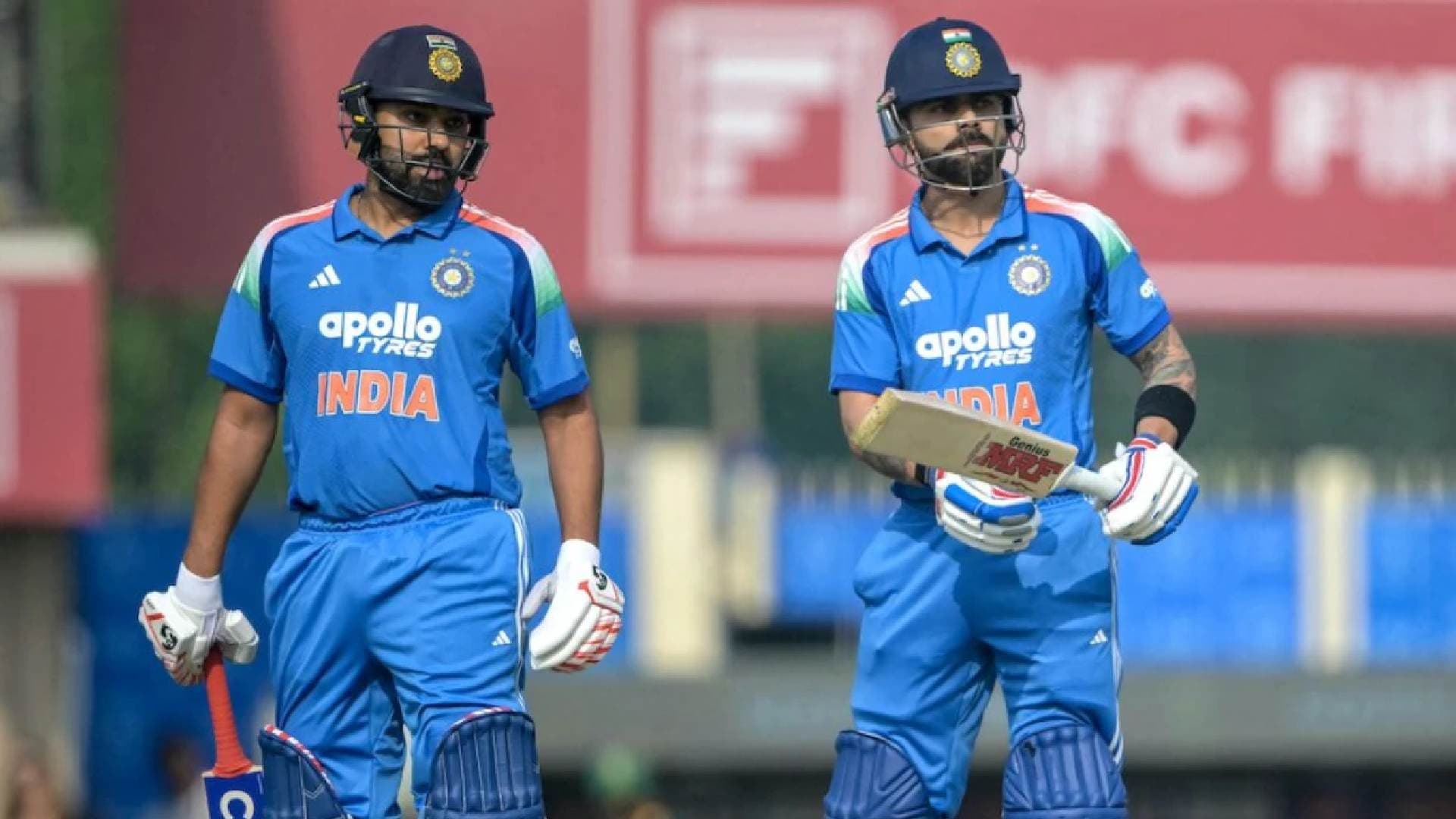
Both Virat Kohli and Rohit Sharma currently occupy the elite A+ category, which carries an annual retainership of ₹7 crore. However, with neither actively participating in Test or T20I cricket, their eligibility for the top bracket is under scrutiny.
Possible Demotion to Grade A
If the BCCI follows its established criteria:
- Kohli and Rohit may be moved to Grade A, which offers ₹5 crore annually.
- This would mean a ₹2 crore reduction in their retainership.
- Ravindra Jadeja, despite retiring from T20Is, is expected to retain his A+ status due to his continued role in the Test setup.
What to Expect Next!
The BCCI is likely to finalise the new contract list in the
coming weeks. While the potential demotion of Kohli and Rohit is generating
headlines, the broader focus remains on aligning the contract system with
India’s future roadmap — one that prioritises form, fitness, and format
relevance.
Related Topics
Explore more stories