



Odisha Politics / When Yesterday’s Enemies Become Today’s Friends
·3 weeks ago·5 min read
Key Points
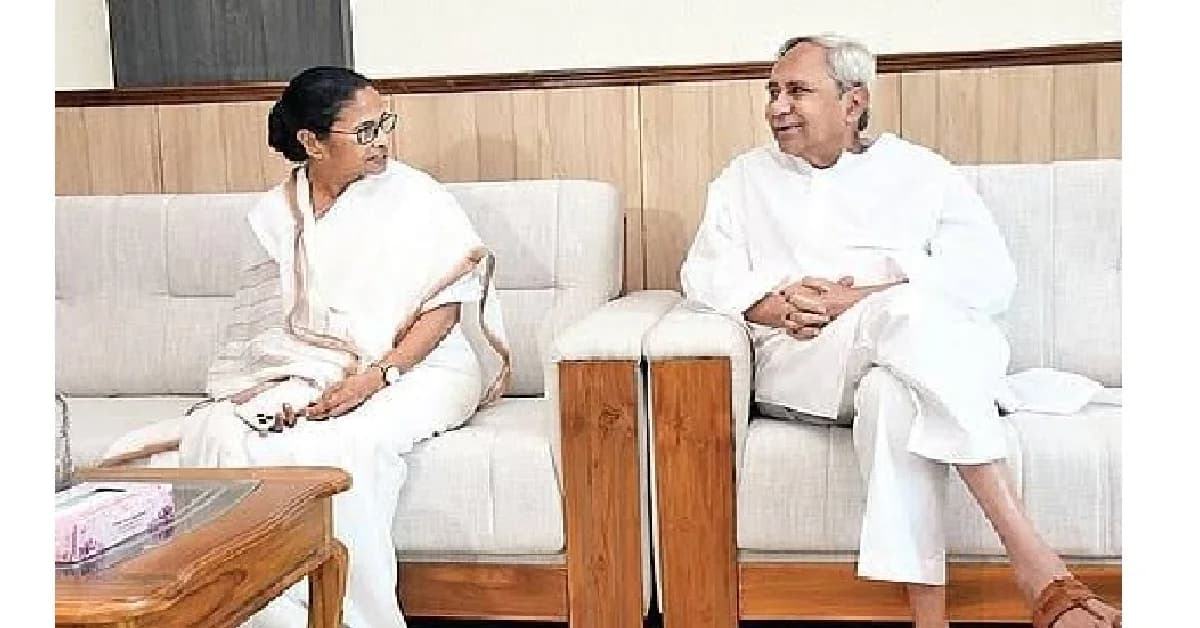
Recent developments in Odisha and West Bengal illustrate how political relationships change with circumstances, arithmetic and interests, with former rivals becoming tactical partners.
Bhubaneswar: Politics is strange. But the speed with which political equations change can be even stranger.
In politics, yesterday's enemy can become today's friend, yesterday's ally, today's adversary and yesterday's bitter critic suddenly a partner. That is why the old saying — “Politics makes strange bedfellows” — continues to remain relevant.
Indian politics has never been short of such examples. But recent developments in Odisha and neighbouring West Bengal offer striking illustrations of how political relationships can change when circumstances, arithmetic and interests change.
The larger lesson is simple: political friendships are rarely permanent, and political hostility is seldom irreversible.
In politics, yesterday's enemy can become today's friend, yesterday's ally, today's adversary and yesterday's bitter critic suddenly a partner. That is why the old saying — “Politics makes strange bedfellows” — continues to remain relevant.
Indian politics has never been short of such examples. But recent developments in Odisha and neighbouring West Bengal offer striking illustrations of how political relationships can change when circumstances, arithmetic and interests change.
The larger lesson is simple: political friendships are rarely permanent, and political hostility is seldom irreversible.

📱 Get Argus News App
✨📰 60 Word News🎬 Argus Podcast📺 Live TV and Breaking News🔔 Free Notification Alerts
Download Free:
Odisha's political wheel turns again
Consider Odisha.
For nearly a decade, the BJP and the Biju Janata Dal were allies. They shared power and cooperated politically before eventually parting ways and becoming fierce electoral opponents.
The transformation reached its climax in 2024, when the BJP ended Naveen Patnaik's 24-year rule and formed the government. The Election Commission's results gave the BJP 78 seats and the BJD 51 in the 147-member Assembly.
The former allies had now become principal rivals.
But Indian politics rarely stops at a simple binary.
Consider Odisha.
For nearly a decade, the BJP and the Biju Janata Dal were allies. They shared power and cooperated politically before eventually parting ways and becoming fierce electoral opponents.
The transformation reached its climax in 2024, when the BJP ended Naveen Patnaik's 24-year rule and formed the government. The Election Commission's results gave the BJP 78 seats and the BJD 51 in the 147-member Assembly.
The former allies had now become principal rivals.
But Indian politics rarely stops at a simple binary.
In March this year, another unexpected equation emerged. The BJD and Congress — themselves long-time competitors in Odisha — joined hands for the Rajya Sabha election and backed a common candidate, Dr Datteswar Hota. The arithmetic was straightforward: neither party had enough numbers on its own to secure the seat.
The arrangement ultimately failed to produce the desired result. BJP-backed Independent candidate Dilip Ray won the seat after cross-voting by Opposition legislators.
Yet the episode was politically significant. It showed that parties which compete fiercely in an Assembly election can cooperate in a parliamentary contest when their immediate interests overlap.
That is the essence of tactical politics.
It would, however, be premature to describe the BJD-Congress understanding as a permanent alliance. A tactical arrangement on one occasion does not automatically erase years of political rivalry.
Meanwhile, the BJD has become increasingly vocal in its opposition to the BJP government, particularly over the MMDR legislation and concerns raised by Naveen Patnaik about Odisha's financial interests.
Thus, the political map has come almost full circle: the BJP and BJD, once allies, are now rivals, while the BJD and Congress, traditionally rivals, have demonstrated that cooperation is possible.
Bengal offers an even more dramatic example
If Odisha illustrates the flexibility of political arithmetic, West Bengal offers an even more striking example.
Mamata Banerjee began her political career in Congress before breaking away and establishing the Trinamool Congress. The TMC subsequently became Congress's principal challenger in Bengal.
There were periods of cooperation, including the 2011 Assembly election when the two parties joined hands to end the Left Front's 34-year rule. But the relationship later deteriorated and the two parties again became rivals.
And then came Nandigram.
For the October 6 Assembly bypoll, Mamata Banerjee's faction initially fielded a candidate. The candidate later withdrew, and Mamata announced support for Congress nominee Milan Pradhan, describing the move as an effort to strengthen the INDIA bloc.
The symbolism is difficult to ignore.
Nandigram occupies a special place in Mamata's political journey. The land movement there was central to her rise to power, while the constituency later became the site of her defeat by Suvendu Adhikari in 2021.
Now, years later, her faction has stepped aside and backed a Congress candidate.
The relationship between Mamata and Congress has thus travelled through almost every possible stage — association, separation, cooperation, confrontation and now tactical cooperation again.
The Nandigram episode, however, should not automatically be interpreted as an ideological rapprochement. It is unfolding amid a wider struggle over political identity, organisation and electoral space in Bengal.
Politics is about interests, not friendships
Why do political parties behave this way?
Because political parties are organisations competing for power and political space. Ideology and history matter, but so do numbers and immediate political circumstances.
A party may fight another party in an Assembly election and cooperate with it in Parliament. Two parties may oppose each other on one issue and support each other on another.
India's multi-party system makes such shifts particularly visible because political calculations operate simultaneously at the national, state and constituency levels.
That is why the idea of permanent friends and permanent enemies often fails to explain contemporary politics. Political interests are more enduring than political friendships.
Yet such arrangements also carry risks. When parties suddenly cooperate after years of attacking each other, their leaders may reach an understanding, but their workers and supporters may not immediately follow.
The BJD-Congress Rajya Sabha episode demonstrated how complicated such arrangements can become. Similarly, the Mamata-Congress understanding in Nandigram is taking place in a fluid political environment.
Ultimately, politics is a continuous negotiation between the past and the present. Old differences may not disappear; circumstances simply create temporary bridges over them.
Odisha and West Bengal are offering two fascinating examples of this political reality.
Tomorrow, these equations may change again.
And that is precisely why politics remains so unpredictable.
Politics makes strange bedfellows — and Indian politics sometimes makes them sleep in the same bed one night and fight for the same pillow the next morning.
The arrangement ultimately failed to produce the desired result. BJP-backed Independent candidate Dilip Ray won the seat after cross-voting by Opposition legislators.
Yet the episode was politically significant. It showed that parties which compete fiercely in an Assembly election can cooperate in a parliamentary contest when their immediate interests overlap.
That is the essence of tactical politics.
It would, however, be premature to describe the BJD-Congress understanding as a permanent alliance. A tactical arrangement on one occasion does not automatically erase years of political rivalry.
Meanwhile, the BJD has become increasingly vocal in its opposition to the BJP government, particularly over the MMDR legislation and concerns raised by Naveen Patnaik about Odisha's financial interests.
Thus, the political map has come almost full circle: the BJP and BJD, once allies, are now rivals, while the BJD and Congress, traditionally rivals, have demonstrated that cooperation is possible.
Bengal offers an even more dramatic example
If Odisha illustrates the flexibility of political arithmetic, West Bengal offers an even more striking example.
Mamata Banerjee began her political career in Congress before breaking away and establishing the Trinamool Congress. The TMC subsequently became Congress's principal challenger in Bengal.
There were periods of cooperation, including the 2011 Assembly election when the two parties joined hands to end the Left Front's 34-year rule. But the relationship later deteriorated and the two parties again became rivals.
And then came Nandigram.
For the October 6 Assembly bypoll, Mamata Banerjee's faction initially fielded a candidate. The candidate later withdrew, and Mamata announced support for Congress nominee Milan Pradhan, describing the move as an effort to strengthen the INDIA bloc.
The symbolism is difficult to ignore.
Nandigram occupies a special place in Mamata's political journey. The land movement there was central to her rise to power, while the constituency later became the site of her defeat by Suvendu Adhikari in 2021.
Now, years later, her faction has stepped aside and backed a Congress candidate.
The relationship between Mamata and Congress has thus travelled through almost every possible stage — association, separation, cooperation, confrontation and now tactical cooperation again.
The Nandigram episode, however, should not automatically be interpreted as an ideological rapprochement. It is unfolding amid a wider struggle over political identity, organisation and electoral space in Bengal.
Politics is about interests, not friendships
Why do political parties behave this way?
Because political parties are organisations competing for power and political space. Ideology and history matter, but so do numbers and immediate political circumstances.
A party may fight another party in an Assembly election and cooperate with it in Parliament. Two parties may oppose each other on one issue and support each other on another.
India's multi-party system makes such shifts particularly visible because political calculations operate simultaneously at the national, state and constituency levels.
That is why the idea of permanent friends and permanent enemies often fails to explain contemporary politics. Political interests are more enduring than political friendships.
Yet such arrangements also carry risks. When parties suddenly cooperate after years of attacking each other, their leaders may reach an understanding, but their workers and supporters may not immediately follow.
The BJD-Congress Rajya Sabha episode demonstrated how complicated such arrangements can become. Similarly, the Mamata-Congress understanding in Nandigram is taking place in a fluid political environment.
Ultimately, politics is a continuous negotiation between the past and the present. Old differences may not disappear; circumstances simply create temporary bridges over them.
Odisha and West Bengal are offering two fascinating examples of this political reality.
Tomorrow, these equations may change again.
And that is precisely why politics remains so unpredictable.
Politics makes strange bedfellows — and Indian politics sometimes makes them sleep in the same bed one night and fight for the same pillow the next morning.
Related Topics
Explore more stories