



Sujata's Silence: A New Signal From BJD's Changing Politics?
·2 months ago·4 min read
Key Points
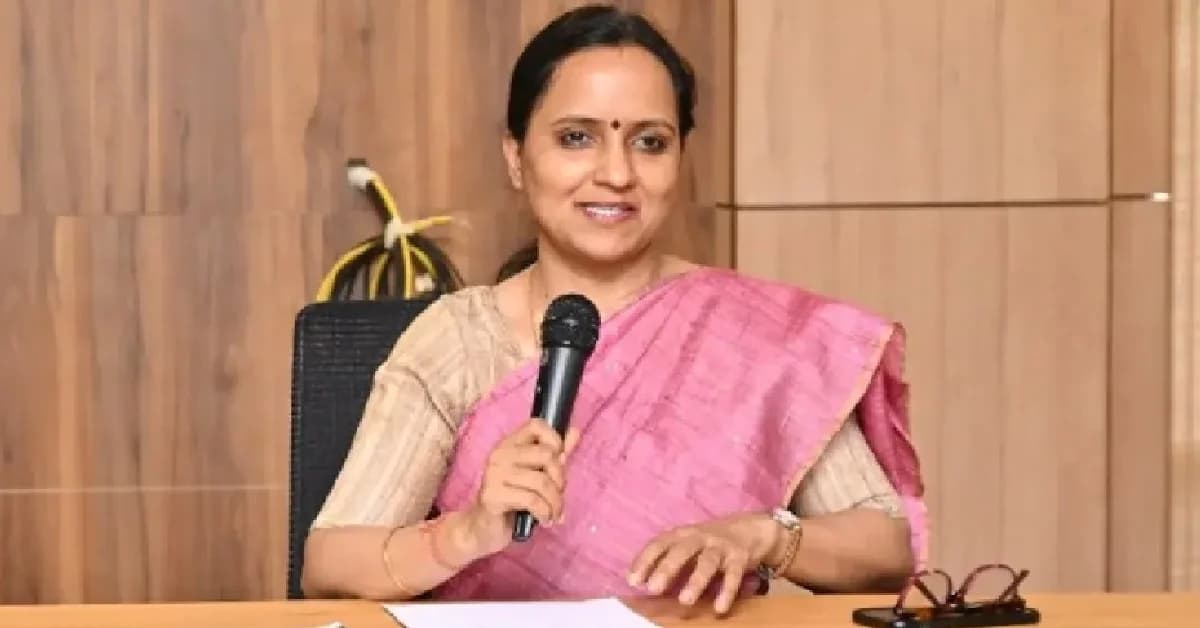
BJD leader Sujata Raut Karthikeyan, once one of the party's most visible digital voices, has recently fallen silent, sparking political speculation in Odisha.
Bhubaneswar, Aug 1: In politics, silence often speaks louder than words. What a politician says undoubtedly shapes public discourse, but what they choose not to say—and when they choose to remain silent—can be equally significant. In Odisha's evolving political landscape, the recent silence of Biju Janata Dal (BJD) leader Sujata Raut Karthikeyan has become the subject of intense political speculation.
Since joining the BJD, Sujata emerged as one of the party's most visible digital voices. She regularly used social media to attack the BJP government on issues ranging from governance and administrative decisions to matters of public interest. Though she never held the position of an official spokesperson, her posts often reflected the party's aggressive political messaging, making her an influential voice in BJD's online campaign.
It is precisely because of this established profile that her sudden silence has attracted attention. Political observers have noted that her public engagement declined noticeably after former IAS officer and senior BJD leader V. K. Pandian was served with a police notice. While no official statement has suggested any connection between the two developments, the timing has inevitably raised questions in political circles.
The larger question, however, is whether this is merely the silence of an individual politician or an indication of a broader shift in BJD's political strategy.
Since joining the BJD, Sujata emerged as one of the party's most visible digital voices. She regularly used social media to attack the BJP government on issues ranging from governance and administrative decisions to matters of public interest. Though she never held the position of an official spokesperson, her posts often reflected the party's aggressive political messaging, making her an influential voice in BJD's online campaign.
It is precisely because of this established profile that her sudden silence has attracted attention. Political observers have noted that her public engagement declined noticeably after former IAS officer and senior BJD leader V. K. Pandian was served with a police notice. While no official statement has suggested any connection between the two developments, the timing has inevitably raised questions in political circles.
The larger question, however, is whether this is merely the silence of an individual politician or an indication of a broader shift in BJD's political strategy.

📱 Get Argus News App
✨📰 60 Word News🎬 Argus Podcast📺 Live TV and Breaking News🔔 Free Notification Alerts
Download Free:
After spending nearly a quarter of a century in power, the BJD is now navigating the difficult transition from a ruling party to an opposition force. That transition requires not only organisational restructuring but also a recalibration of political messaging. Unlike its years in government, when multiple leaders spoke simultaneously on various issues, the party today appears to be adopting a more centralised communication strategy. On major controversies, it is increasingly party president Naveen Patnaik who articulates the official position, while other leaders appear to be playing relatively restrained public roles.
If viewed through this lens, Sujata's silence may not necessarily indicate political discomfort. It could simply reflect a deliberate communication strategy in which the party seeks to project a unified voice rather than multiple narratives.
There is, however, another dimension that cannot be ignored.
V.K. Pandian has long been regarded as one of the most influential figures within the BJD organisation. His rise and role in the party have been subjects of both admiration among supporters and criticism from political opponents. At a time when he is associated with an ongoing legal process, it is understandable that a close family member who has been politically active may choose to exercise restraint in public communication. Many political analysts would argue that avoiding unnecessary public confrontation while legal proceedings are underway is a prudent and predictable course of action.
The opposition, unsurprisingly, sees the matter differently. It argues that a leader who was previously vocal on almost every political issue becoming suddenly silent reflects political unease. Whether that interpretation is justified remains open to debate. There is, at present, no publicly established evidence that conclusively supports such a conclusion. Yet politics is often driven as much by perception as by proof, and shaping public perception is itself a political strategy.
This episode also raises a larger question about the BJD's evolving political identity.
If viewed through this lens, Sujata's silence may not necessarily indicate political discomfort. It could simply reflect a deliberate communication strategy in which the party seeks to project a unified voice rather than multiple narratives.
There is, however, another dimension that cannot be ignored.
V.K. Pandian has long been regarded as one of the most influential figures within the BJD organisation. His rise and role in the party have been subjects of both admiration among supporters and criticism from political opponents. At a time when he is associated with an ongoing legal process, it is understandable that a close family member who has been politically active may choose to exercise restraint in public communication. Many political analysts would argue that avoiding unnecessary public confrontation while legal proceedings are underway is a prudent and predictable course of action.
The opposition, unsurprisingly, sees the matter differently. It argues that a leader who was previously vocal on almost every political issue becoming suddenly silent reflects political unease. Whether that interpretation is justified remains open to debate. There is, at present, no publicly established evidence that conclusively supports such a conclusion. Yet politics is often driven as much by perception as by proof, and shaping public perception is itself a political strategy.
This episode also raises a larger question about the BJD's evolving political identity.
The party's immediate challenge is not merely to criticise the BJP government but to redefine itself after losing power. An opposition party is judged differently from a ruling one. Every public statement, every political move, and even every period of silence is subjected to greater scrutiny. In opposition politics, narratives often become as important as organisational strength.
That explains why Sujata's silence has become a matter of discussion far beyond her personal political role. It has opened a broader conversation about the BJD's communication strategy, leadership structure, and the balance between individual visibility and collective messaging.
At the same time, it would be inappropriate to attach definitive political meaning to silence alone. Not every pause in public communication signals crisis or retreat. Political silence can also be strategic—a period of restraint, reflection, or simply waiting for the right moment to re-enter public debate. Democratic politics offers numerous examples where leaders have deliberately stepped back from the spotlight only to return later with renewed political purpose.
Ultimately, the true significance of Sujata Raut Karthikeyan's silence will become clear only with time. Whether she resumes her earlier role as one of the BJD's most active political voices or continues to maintain a low profile remains to be seen.
For now, however, her silence has achieved something few political statements do—it has generated questions without offering answers. And in politics, unanswered questions often become the most enduring narratives.
That explains why Sujata's silence has become a matter of discussion far beyond her personal political role. It has opened a broader conversation about the BJD's communication strategy, leadership structure, and the balance between individual visibility and collective messaging.
At the same time, it would be inappropriate to attach definitive political meaning to silence alone. Not every pause in public communication signals crisis or retreat. Political silence can also be strategic—a period of restraint, reflection, or simply waiting for the right moment to re-enter public debate. Democratic politics offers numerous examples where leaders have deliberately stepped back from the spotlight only to return later with renewed political purpose.
Ultimately, the true significance of Sujata Raut Karthikeyan's silence will become clear only with time. Whether she resumes her earlier role as one of the BJD's most active political voices or continues to maintain a low profile remains to be seen.
For now, however, her silence has achieved something few political statements do—it has generated questions without offering answers. And in politics, unanswered questions often become the most enduring narratives.
Related Topics
Explore more stories